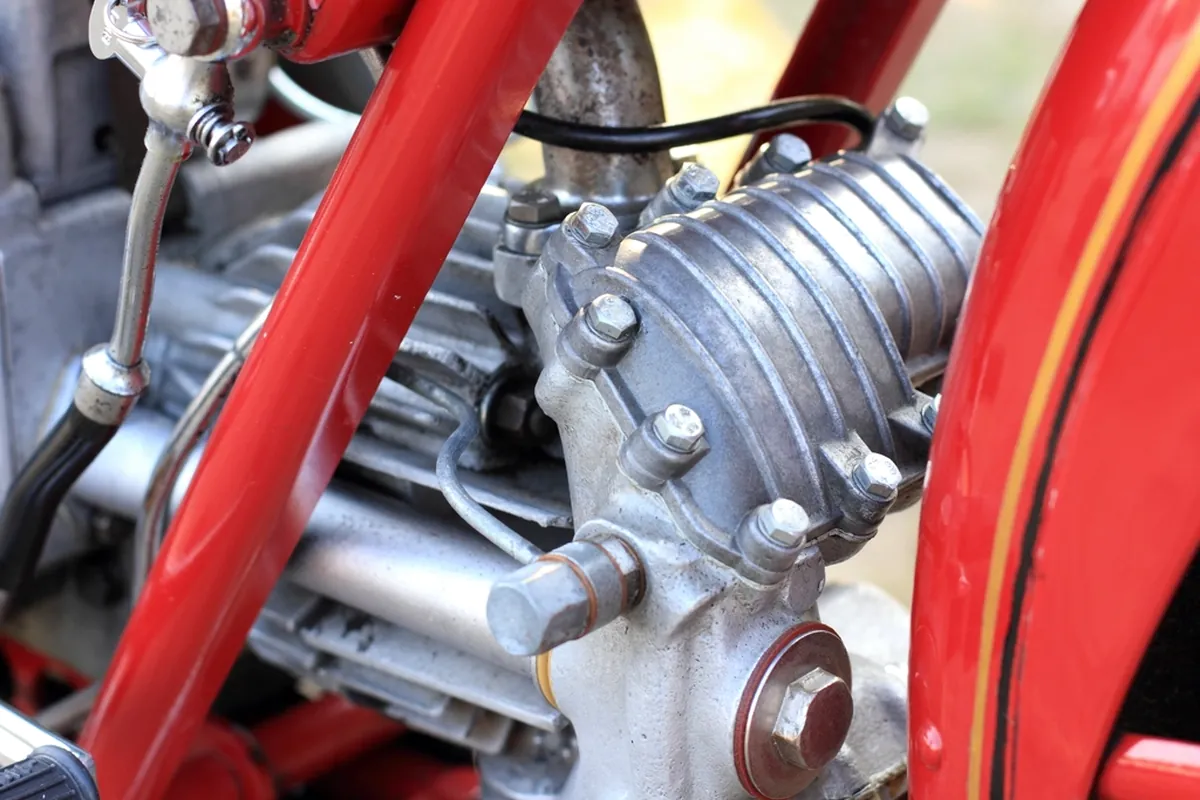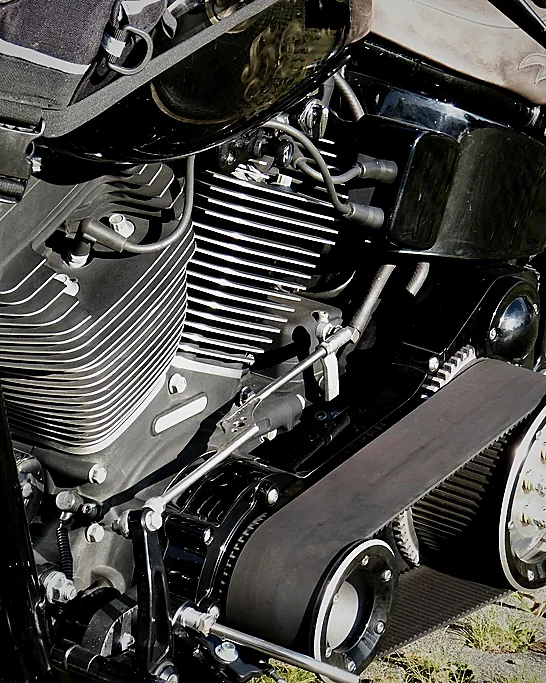
Oil is the cheapest engine insurance. Changing it correctly takes less time than a ride, and it gives you a chance to inspect the drain plug and the oil for debris.
Warm the engine, then stop
Warm oil flows better and carries contaminants out. Do not work on a hot engine; let it cool enough to touch.
Put the bike on a level surface and support it safely.
Drain and replace the filter
Remove the drain plug with the correct socket and let the oil drain fully. Replace the crush washer. Remove the filter with the proper tool and clean the mating surface.
Check the old oil for metal or a milky appearance. That is diagnostic information.
Fill with the correct oil
Use the grade and specification in the manual. Fill to the specified amount, then check the level with the bike upright and the engine warm as instructed.
Do not overfill. Excess oil can foam, leak or be pushed into the airbox.
Run and check
Run the engine briefly, check for leaks at the drain plug and filter, then stop and check the level again. Record the date and distance.
Dispose of used oil properly. Do not pour it down a drain.
Checklist
- Correct oil grade and quantity.
- New drain-plug crush washer.
- Filter condition and mating surface.
- Drain plug and filter torque.
- Oil level checked correctly.
- Leaks after the first run.
- Used oil condition and disposal.
Questions
How often should I change oil?
Follow the manual, and shorten the interval for short trips, heat, dust and heavy load.
Can I reuse the crush washer?
No. A used crush washer may not seal. Use a new one.
Should I change the filter every time?
Follow the manual. Many makers specify every other oil change; others every time. When in doubt, replace it.