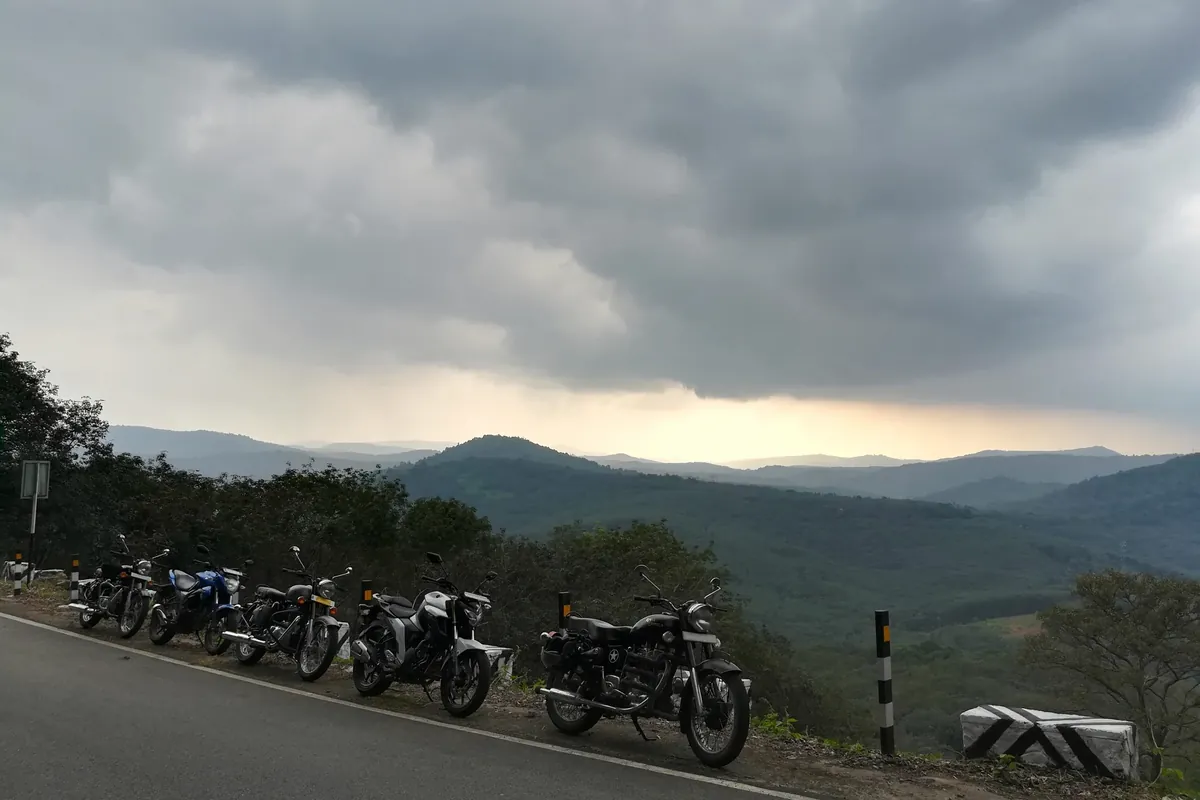
Fifteen million rupiah is the first ceiling where new and used can overlap. A basic new scooter or underbone may fit depending on the dealer, the city and the promotion of the month, while the same money buys a late-model used 125 with better equipment. The decision is not about which is newer; it is about which costs less to own over two or three years.
New or used at this ceiling
| Option | Strength | Risk |
|---|---|---|
| Entry-level new | Warranty, known history, dealer support | Basic equipment and a quick loss of value |
| Late-model used 110-125 | Better equipment for the money, already absorbed the first depreciation | Condition and paperwork depend on the seller |
| Older used 150 | More space and stability | Higher running costs and worn suspension |
| Auction or trade-in | Sometimes cheaper | Limited test opportunity and unclear history |
Compare the total, not the sticker
A new bike adds registration, insurance, a first service and possibly dealer administration. A used bike may need tyres, a battery and a brake service immediately. Add those costs to the purchase price before comparing. The cheaper sticker can be the more expensive bike by the end of the first month.
If you finance, compare the total repayment rather than the monthly instalment. A longer tenor lowers the monthly figure and raises the total. Ask for the effective interest, the administration fee and the penalty for early repayment in writing.
What a late-model used bike buys
Depreciation is your friend at this ceiling. A carefully used 125 that is a few years old can have the same engine layout, fuel injection and storage as a new one, at a lower price. The first owner absorbed the sharpest fall in value.
Look for a service history, original paint and unmodified wiring. A bike with a tidy body but a rough engine is a worse buy than a plain bike with fresh consumables. Check the date codes on the tyres; a low-mileage bike can still have old rubber.
When new makes sense
New makes sense if you need certainty, a warranty and a known history, and if the monthly cost fits comfortably. It also makes sense if you are not confident inspecting a used bike and do not have a mechanic you trust.
Do not stretch to new if it leaves nothing for insurance, gear or the first service. A new bike that is not insured and cannot be serviced is not a safer choice.
The equipment that matters
At this price, prioritise fuel injection, a front disc and good tyres over cosmetic features. ABS may appear on some versions and is worth having in the rain. A digital dash or keyless start is convenient but less important than brakes and suspension.
Check that the bike has a place for a helmet, or budget for a rack. Storage is a daily convenience that affects whether you use the bike or the car.
The first-year costs
Tax and registration, insurance if you take it, a service or two, tyres within the first year, and the consumables that depend on how you ride. Add parking and any accessories. The bike payment is only part of the monthly figure.
If the bike is for work, calculate the cost per trip. A slightly more expensive machine with better fuel consumption and cheaper parts can pay back the difference.
A decision rule
If you can inspect a used bike properly, buy the best late-model used example and spend the saving on tyres, brakes and gear. If you cannot, buy the simplest new bike with a warranty and keep it standard. Either way, avoid a machine that leaves no reserve.
The best purchase at this ceiling is the one you can maintain without borrowing. Reliability beats a badge every month.
The bottom line
Choose a late-model used 125 if you can inspect it properly; choose a simple new bike if certainty matters more than equipment. Keep the difference for tyres, brakes and insurance.IndoBikes workshop
Checklist
- The total cost includes registration, insurance and the first service
- Finance total repayment is compared, not just the monthly figure
- A used bike has a service history and matching documents
- Tyres are not aged out, even if the tread is deep
- The bike has the brakes and lighting you need for your route
- Storage or a rack is included in the plan
- A repair reserve remains after purchase
- The model is common enough for local parts
Questions
Is it better to buy a new entry-level bike or a used mid-range one?
If you need certainty and a warranty, buy new and simple. If you can inspect it, a used mid-range bike gives more equipment for the same money but carries condition risk.
How much should I keep for repairs?
Enough to cover a major service and a set of tyres. That reserve prevents a small failure from forcing a loan or a quick sale.
Does a warranty transfer to a second owner?
It depends on the brand and the terms. Ask for the warranty booklet and confirm the transfer conditions with the dealer before you rely on it.
Should I buy the cheapest example in the listings?
No. The cheapest example usually has a reason: documents, condition or urgency. Compare three similar bikes and price the repairs before deciding.