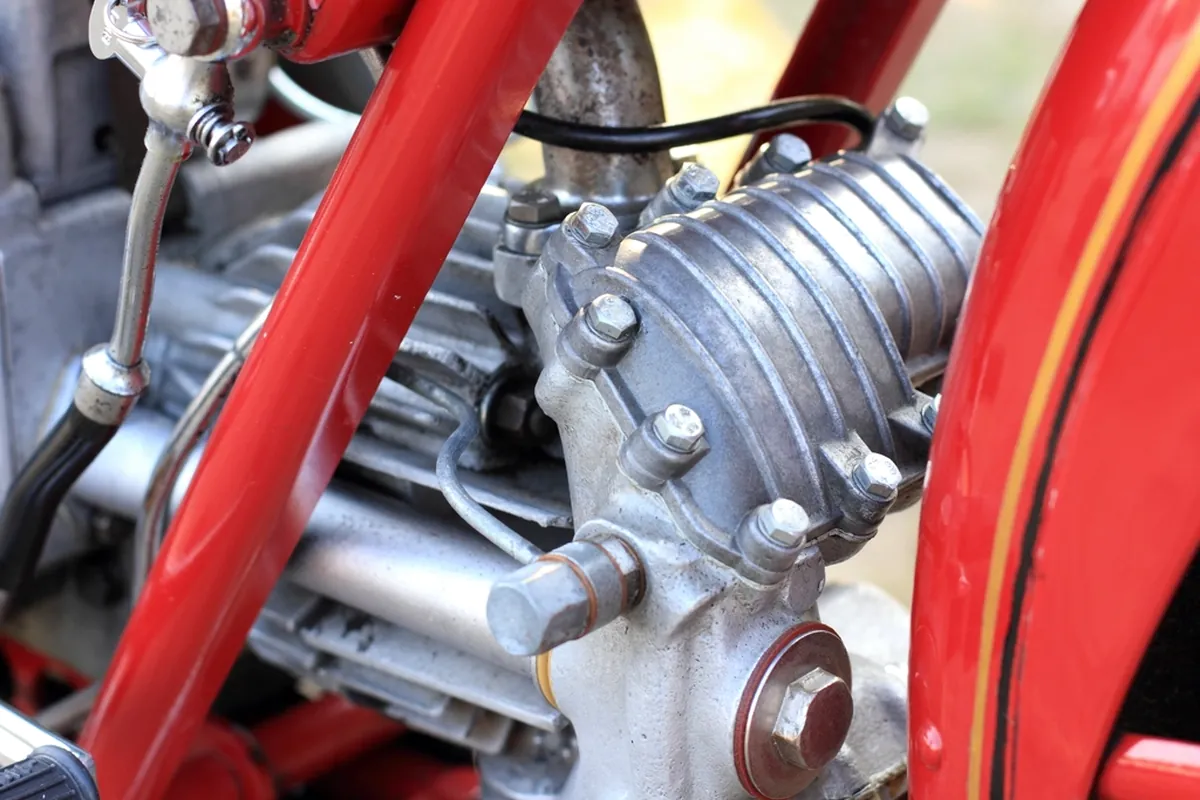
The PCX 160 and NMAX 155 sit in the same showroom conversation for a reason. Both use a liquid-cooled four-valve single, fuel injection, a CVT and a V-belt final drive. Both are built for daily transport rather than weekend performance. The choice comes down to posture, weather protection, floor space and the kind of riding you actually do.
Specifications
| Item | Honda PCX 160 | Yamaha NMAX 155 |
|---|---|---|
| Engine layout | Liquid-cooled four-valve SOHC single | Liquid-cooled four-valve SOHC single with VVA |
| Displacement | 156.9 cc | 155.09 cc |
| Fuel system | PGM-FI | Fuel injection |
| Transmission | CVT | CVT |
| Final drive | V-belt | V-belt |
| Body and position | Enclosed commuter, relaxed seat | Taller commuter, upright stance |
| Practical strength | Weather protection and comfort | Visibility and a more direct feel |
| Main trade-off | More bodywork, heavier feel in traffic | Less shelter, more exposed to rain |
The brief each scooter was built for
The PCX is a comfort-first commuter. Its bodywork wraps the rider, the seat is shaped for long daily trips and the riding position is relaxed. The design assumes rain, dust and slow traffic, and it tries to isolate the rider from all three.
The NMAX takes the same mechanical class and gives it a taller, more open posture. The rider sits more upright with a clearer view over traffic, and the scooter feels less enclosed. It is still a commuter, but one that asks the rider to be a little more involved.
Engine, fuelling and drivetrain
The PCX uses a 156.9 cc liquid-cooled four-valve SOHC single with PGM-FI and a CVT. The NMAX uses a 155.09 cc liquid-cooled four-valve SOHC single with VVA and fuel injection. Both drive the rear wheel through a V-belt in a sealed CVT case.
VVA changes valve timing at higher engine speeds, which is why the NMAX feels more willing when the throttle is opened. The PCX tunes its delivery for smoothness and economy. Neither difference changes the maintenance schedule in a meaningful way: both need clean oil, a healthy CVT belt and a clear cooling system.
Posture, weather and carrying
The PCX is the more sheltered of the two. The front bodywork and screen area deflect more wind and rain, and the seat encourages a settled position. The trade-off is that the rider has less room to move and the scooter feels larger when filtering.
The NMAX puts the rider higher, with wider bars and a more upright stance. That helps visibility and makes the scooter feel narrower in traffic. It offers less weather protection, so rain gear matters more. Both can take a passenger, but the PCX is the more comfortable place to spend an hour.
Maintenance rhythm and ownership
Both scooters share the same broad service list: engine oil, oil filter or screen, air filter, spark plug, coolant, CVT belt and rollers, brake fluid and tyres. The liquid-cooled engine makes coolant condition part of the routine rather than an afterthought.
Bodywork access is the practical difference. The PCX has more panels to remove before a mechanic reaches the engine bay, which adds time to routine work. The NMAX is slightly more exposed. Neither is difficult, but the PCX rewards a workshop that knows the model.
Traffic, hills and higher speeds
In dense city traffic, the PCX is the calmer machine. Its throttle map and seating position make stop-start riding feel unhurried. The NMAX is more alert, and the taller stance helps the rider plan around buses and trucks.
On hills and at sustained higher speeds, both have enough capacity for a solo rider. With a passenger and luggage, the larger body and taller gearing of the NMAX feel less strained. The PCX answers with comfort rather than urgency. Neither is a touring scooter, and neither should be loaded beyond its stated capacity.
The decision
Choose the PCX if your commute is long, exposed to rain and you value a quiet, sheltered ride. Choose the NMAX if you want a taller view, a more direct feel and you are willing to trade some weather protection for maneuverability.
Ride both before deciding. Seat height, bar reach and the shape of the floor area matter more than a spec sheet, especially if you carry a passenger or wear rain gear every day.
The verdict
For a daily commute that includes rain and long stretches in the saddle, the PCX is the easier ownership proposition. For a taller rider who wants a clearer view and a more alert scooter, the NMAX is the better fit. Neither choice is wrong; the mistake is buying on badge alone without testing the seat and floor space.IndoBikes workshop
Checklist
- Sit on both with your usual shoes and jacket.
- Check that both feet reach the ground comfortably.
- Confirm the floor area fits what you carry daily.
- Ask about the service interval for the CVT belt.
- Check coolant condition and fan operation on the used example.
- Ride over a rough road to judge the suspension.
Questions
Is the NMAX faster than the PCX?
The NMAX has a slightly smaller displacement but uses VVA and a different state of tune. It feels more responsive at higher engine speeds. The PCX prioritises smoothness. Neither is a performance scooter.
Which is better in the rain?
The PCX offers more bodywork and wind protection. The NMAX needs better rain gear. Tyre condition and rider visibility matter more than the body shape.
Do both use a CVT belt?
Yes. Both use a V-belt CVT and both need the belt, rollers and case inspected at the interval in the owner's manual.