Maintenance costs are hard to compare because every bike, workshop and rider is different. A scooter that covers 30 kilometres a day in traffic has a different cost profile from a weekend motorcycle. Instead of chasing a single number, build a budget from the categories that actually recur.
Separate routine service from wear and repair
Routine service is predictable: oil, filters, coolant, brake fluid, inspection and adjustment. Wear items are less regular but still expected: tyres, brake pads, chain and sprockets, belts, rollers and battery. Repairs are the uncertain category: a failed pump, a damaged valve or a crash repair.
Budget for the first two categories every month and keep a separate contingency for repairs. A bike that is maintained on schedule usually spends less on repairs, but no schedule eliminates wear or accident damage. The goal is to avoid a surprise that forces you to choose between a repair and a safety item.
What drives workshop labour
Labour reflects time, access and skill. A simple oil change takes minutes; a valve check on a compact engine, a corroded fastener or a seized brake caliper can take much longer. Bodywork, rust and previous repairs all add time. A workshop that explains the access problem is usually giving you a more honest estimate than one that quotes a low fixed price.
Location and demand affect labour rates, but the cheapest rate is not always the lowest cost. A repair that is done twice costs more than one that is diagnosed properly. Ask what the estimate includes and whether the workshop charges for diagnosis.
Parts: genuine, equivalent and used
Genuine parts cost more but fit and behave as designed. A verified equivalent from a reputable maker can be a sensible choice for wear items. A used part can be the right answer for a rare component, but it carries unknown wear. Ask which category is being quoted and why.
Safety-critical parts deserve more caution: brakes, tyres, suspension, steering and fuel components. A cheap tyre or brake pad can cost more in the long run. For cosmetics and non-critical brackets, the trade-off is different.
Scooter, motorcycle and the hidden differences
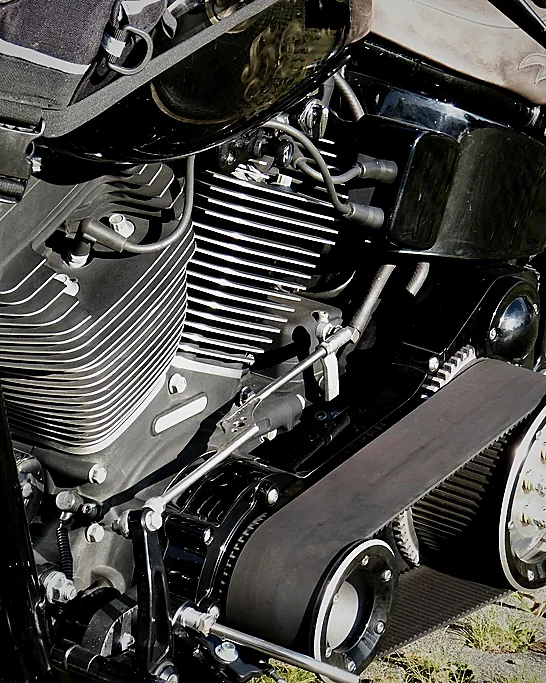
A scooter with a CVT has belt, roller and clutch-shoe costs that a chain-driven motorcycle does not. A liquid-cooled scooter adds coolant and a water pump to the list. A motorcycle with a chain adds chain and sprocket wear, but the parts are often accessible and relatively simple to replace.
Tyres are a major recurring cost on both, but small scooter tyres and large motorcycle tyres wear differently. A heavy rider, a passenger, rough roads and underinflation all shorten tyre life. The cheapest way to reduce tyre cost is correct pressure and regular inspection, not a cheaper tyre.
DIY: where it pays and where it costs
Oil and filter changes, chain cleaning and lubrication, brake pad inspection, tyre pressure checks and basic cleaning are good owner tasks. They build familiarity with the bike and catch problems early. Use the right tools, the specified fluids and a safe way to support the bike.
Leave diagnosis, brake hydraulic work, tyre fitting, suspension internals, engine work and electrical faults to someone with the equipment and experience. A mistake in a brake system or a fuel system can be fatal. Doing a job twice is more expensive than paying for it once.
How to build a realistic budget
List the recurring items and their intervals from the manual. Divide the annual cost of each item by twelve to create a monthly sinking fund. Add a separate repair contingency. Review the fund when a tyre, battery or chain is replaced, and adjust it for how you actually ride.
Keep receipts and a simple log of dates, mileage and work done. A documented history helps you plan, supports a warranty claim and makes the bike easier to sell. It also prevents paying twice for the same repair because the next workshop can see what was already tried.
Checklist
- Read the manual's service schedule and list the recurring items.
- Separate routine service, wear items and repair contingency.
- Ask for an itemised estimate before authorising work.
- Choose parts by category and safety criticality, not only price.
- Check tyre pressure and tread regularly to avoid premature wear.
- Do simple owner tasks; leave brakes and diagnosis to professionals.
- Keep a monthly sinking fund for known wear items.
- Record dates, mileage, parts and receipts.
Questions
Why do two workshops quote different prices?
They may include different parts, labour time, diagnosis or warranty. Compare the scope, not just the total. A low quote that excludes a necessary part is not cheaper.
Is it cheaper to service a scooter or a motorcycle?
It depends on the model and the work. Scooters have CVT wear items; motorcycles have chain and sprocket costs. A liquid-cooled bike adds coolant and pump considerations. Compare the full schedule, not one service.
How much should I keep for repairs?
There is no universal figure. Build a contingency from the age and condition of the bike and the cost of the most likely repairs in your area. A older bike with unknown history needs a larger reserve.