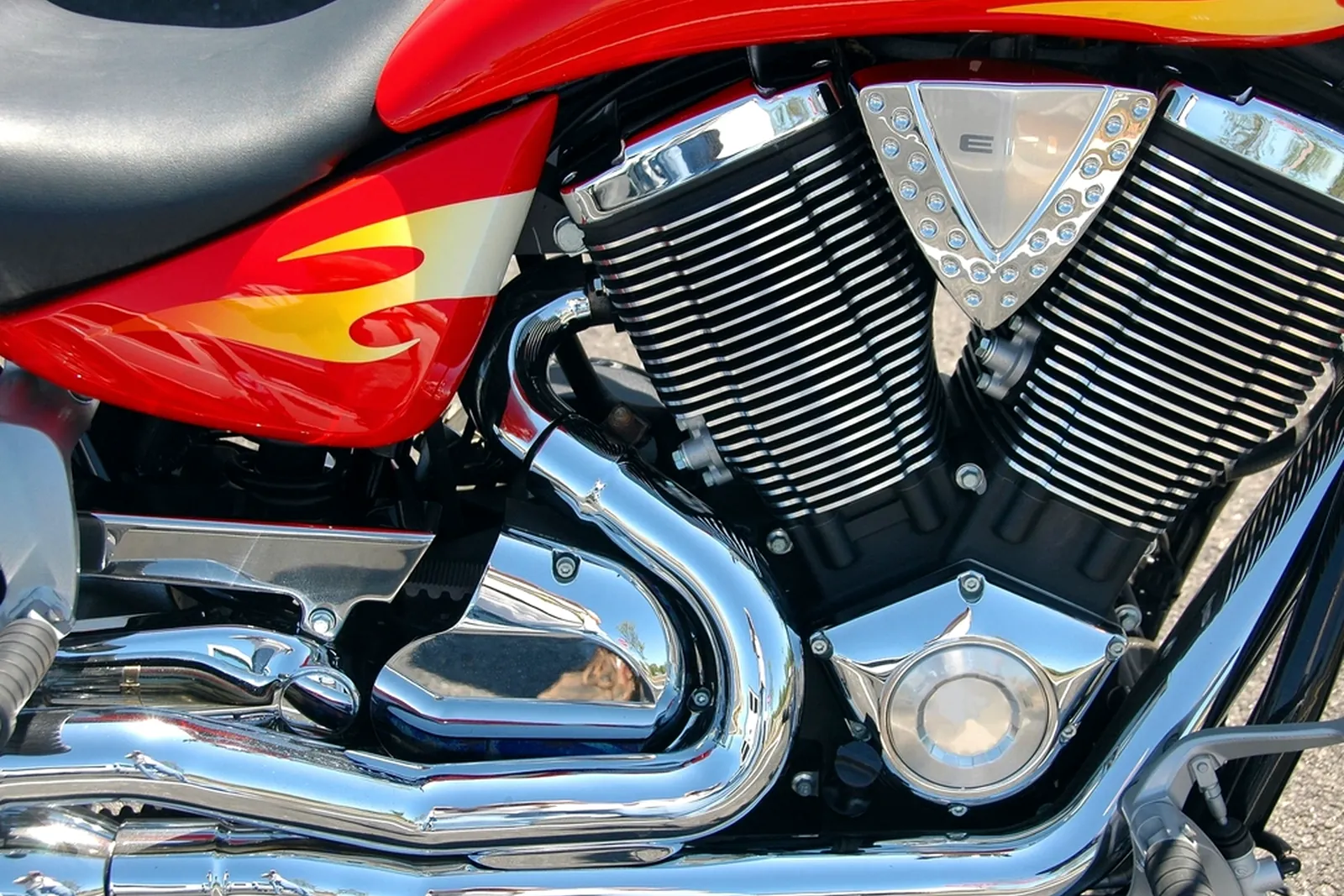
The Honda CBR150R is a small sport bike with a full fairing, a liquid-cooled four-valve engine and a six-speed gearbox. It is built for riders who want a sporty riding position and a chassis that can use the available power, without stepping into a larger capacity class.
The CBR150R is not a beginner-friendly scooter alternative. Its riding position puts weight on the wrists, the suspension is firmer and the engine likes revs. That makes it rewarding on a good road and tiring in dense traffic. It is still a practical small motorcycle if the rider accepts those trade-offs.
At a glance
- Engine layout
- 149.16 cc liquid-cooled DOHC four-valve single
- Fuel system
- PGM-FI
- Transmission
- Six-speed manual
- Final drive
- Chain
- Cooling
- Liquid
- Brakes
- Disc front and rear; ABS on some variants
Engine and fuel system
The 149.16 cc engine uses a double-overhead-cam, four-valve head and liquid cooling. It is tuned to breathe at higher engine speeds, so it feels ordinary below the midrange and wakes up as the revs rise. That character suits a sport bike and punishes riders who try to lug it in a high gear.
Electronic fuel injection manages cold starts and part-throttle running. The engine is reliable when the oil, coolant and valve clearance are correct. A tight valve clearance or a neglected coolant system shows up as hard starting, overheating or a loss of top-end power.
Transmission and final drive
The six-speed gearbox and chain final drive give the rider direct control over engine speed. Chain adjustment and lubrication matter more than on a scooter because the chain is exposed and carries the engine's torque. A loose chain can jump the sprocket; a tight one loads the countershaft bearing.
The chassis is stiff enough to support the engine and the brakes are adequate for the bike's speed when maintained. Fresh brake fluid, good pads and correct tyre pressures matter more than expensive bolt-on parts. The firmer suspension suits smooth roads and can feel harsh on broken surfaces.
Advantages and disadvantages
Advantages
- DOHC four-valve engine with a sporty top-end character.
- Stable chassis and confident braking when maintained.
- Six-speed gearbox gives good control on hills and at speed.
- Strong parts availability and workshop familiarity.
- Full fairing offers weather protection at speed.
Disadvantages
- Forward riding position strains wrists and neck in traffic.
- Firmer suspension is harsh on poor roads.
- Pillion comfort is limited.
- Fairing makes routine service access slower.
Maintenance recommendations
The list below is a working routine, not a substitute for the service schedule. Intervals depend on the model year, the version and how the machine is used.
- Change engine oil on schedule and check the level regularly.
- Maintain the chain: clean, lubricate and adjust slack to the manual's figure.
- Check coolant cold and pressure-test any unexplained loss.
- Inspect valve clearance at the specified interval.
- Service the air filter and spark plug; keep the intake sealed.
- Check brake pads, fluid and tyre pressures before hard riding.
- Inspect the fairing mounts and fasteners for vibration damage.
Common problems, where supported
These are the faults that repeat on this layout or class of machine. They are diagnostic starting points, not a prediction that every example will fail.
Chain wear and noise
A dry or misadjusted chain wears quickly and can damage sprockets. Clean and lubricate it regularly, measure elongation and replace chain and sprockets as a set when worn.
Overheating
A blocked radiator, a fan fault or low coolant can raise temperature. Stop if the warning appears, let the engine cool and pressure-test the system.
Hard starting or rough idle
A tight valve clearance, a dirty air filter or a weak battery can cause it. Check the simple items and fault codes before replacing sensors.
Customization
Changes should preserve the machine's geometry, load capacity and charging margin. Reversible work keeps the resale value and makes the next service easier.
- A slip-on exhaust is the simplest change; a full system needs a fuelling check.
- Rearsets and a different seat can improve the riding position for track or road use.
- Suspension work should match the rider's weight and the intended road surface.
- Brake upgrades should be matched to tyre grip and fork performance.
Where the workshop fits
These are the services most often relevant to a honda cbr150r. Start with the symptom or the service interval, then choose the job.