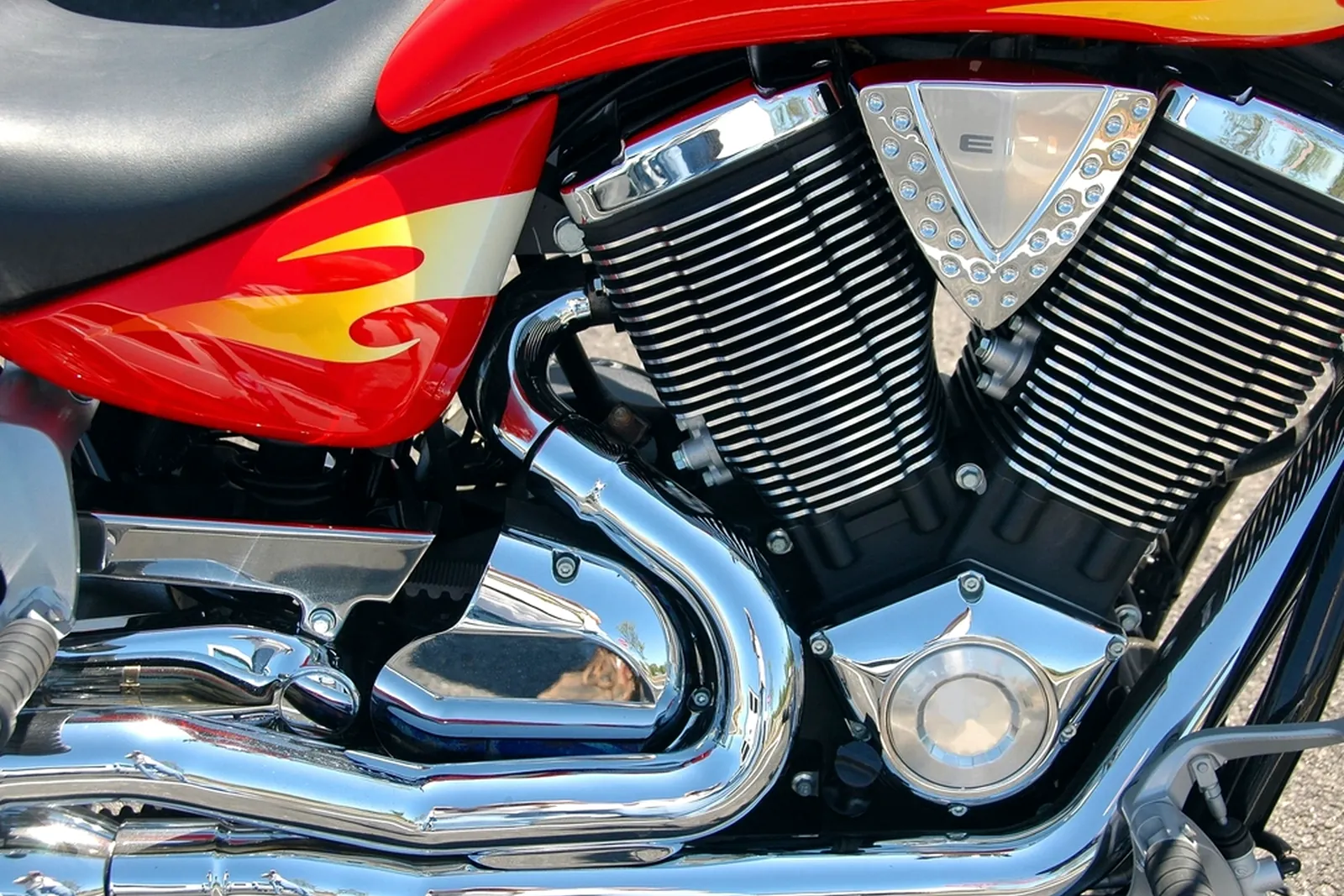
The Kawasaki Z250 is the naked version of the Ninja 250. It uses the same 249 cc liquid-cooled parallel-twin engine and six-speed gearbox but drops the full fairing in favour of an upright riding position and exposed mechanicals.
That makes it more comfortable in traffic and easier to service than a faired bike. The trade-off is wind exposure at speed. The Z250 is a practical small naked bike: smooth, stable and quick enough for the road without being intimidating.
At a glance
- Engine layout
- 249 cc liquid-cooled DOHC parallel twin
- Fuel system
- Fuel injection
- Transmission
- Six-speed manual
- Final drive
- Chain
- Cooling
- Liquid
- Brakes
- Disc front and rear; ABS on some variants
Engine and fuel system
The parallel-twin engine is smooth and flexible. It pulls from low speed and revs cleanly, which suits both traffic and open roads. Fuel injection manages cold starts and changes in altitude. The engine is reliable when the oil, coolant and valve clearance are correct.
Liquid cooling is a maintenance item, not a fit-and-forget feature. Check the coolant cold, keep the radiator clear and make sure the fan runs. A temperature warning means stop; a naked bike gives good access but no immunity to heat damage.
Transmission and final drive
The six-speed gearbox and chain final drive are conventional. Chain condition affects throttle smoothness; a worn chain makes the bike jerk at low speed. Check slack, lubrication and sprocket teeth regularly.
The upright riding position gives good visibility and leverage. The suspension is firm enough for spirited riding and can feel busy on broken surfaces. Tyre pressure and quality have a large effect on steering and braking confidence.
Advantages and disadvantages
Advantages
- Smooth parallel-twin engine.
- Upright, comfortable riding position.
- Easier service access than a faired bike.
- Stable chassis and confident brakes.
- Good parts and workshop support.
Disadvantages
- Wind exposure at highway speed.
- Firmer suspension on poor roads.
- Heavier than a small single.
- Pillion comfort is limited.
Maintenance recommendations
The list below is a working routine, not a substitute for the service schedule. Intervals depend on the model year, the version and how the machine is used.
- Change engine oil on schedule and check the level.
- Maintain the chain and inspect the sprockets.
- Check coolant cold and keep the radiator clear.
- Inspect valve clearance at the specified interval.
- Service the air filter and spark plug.
- Check brake pads, fluid and tyre pressures.
- Inspect fasteners and mounts for vibration looseness.
Common problems, where supported
These are the faults that repeat on this layout or class of machine. They are diagnostic starting points, not a prediction that every example will fail.
Chain and sprocket wear
A neglected chain stretches and can damage the sprockets. Clean, lubricate and measure it; replace chain and sprockets as a set when worn.
Overheating
A blocked radiator, a fan fault or low coolant can raise temperature. Stop and let the engine cool before checking anything.
Brake issues
Old fluid, worn pads or a dragging caliper can cause a soft lever or poor stopping. Inspect and service the system.
Customization
Changes should preserve the machine's geometry, load capacity and charging margin. Reversible work keeps the resale value and makes the next service easier.
- A slip-on exhaust is the simplest change; a full system needs a fuelling check.
- A flyscreen or small fairing can improve highway comfort.
- Suspension work should match the rider's weight and the road.
- Bar, seat and lever changes can transform the riding position.
Where the workshop fits
These are the services most often relevant to a kawasaki z250. Start with the symptom or the service interval, then choose the job.