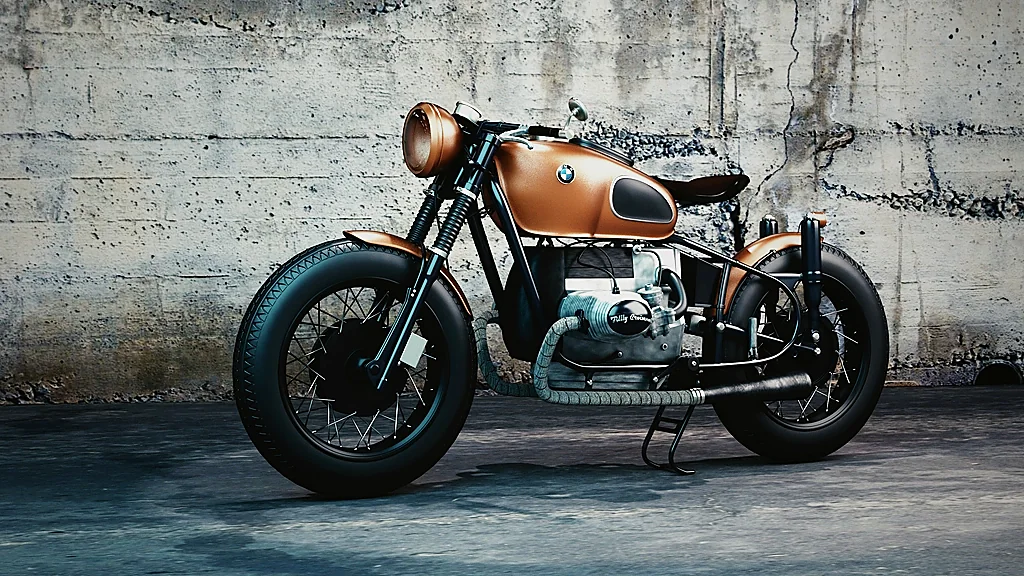
The Scoopy is bought for its look, and that makes it a natural custom platform. The danger is treating a small, air-cooled commuter like a show bike: lowering it until it scrapes, fitting a hard seat and adding electrical load the charging system cannot support. A good custom Scoopy is still a scooter you can use every day.
Choose a direction, not a catalogue
Decide whether the scooter should look retro, minimal, sporty or practical. A coherent direction is easier to execute than a collection of parts. A single colour, a clean seat and a well-chosen light can change the character more than a stack of bolt-on covers.
Look at the proportions before buying. The Scoopy has a compact body and small wheels; a very long seat or a wide rear tyre can make it look out of balance. Mock up the changes with tape or removable parts before committing to paint.
Seat, ergonomics and comfort
The seat is the most useful customization. A reshaped seat can improve comfort, reduce sliding and change the riding position. Use a waterproof cover and foam that supports the rider without making the seat so tall that the scooter becomes unstable at a stop.
Changing the bars or levers changes the reach and the control feel. On a scooter, the bars are part of the bodywork and the steering assembly; not every motorcycle part fits. Choose components made for the model and check that the cables, brake lines and switchgear still operate through the full steering range.
Lighting and electrical load
An LED headlight can improve visibility if the beam pattern is correct and the housing aims it at the road. A bright bulb in the wrong reflector can dazzle other riders and fail inspection. Check the local rules and the scooter's charging capacity before adding auxiliary lights.
Every accessory adds load: lights, a charger, a tracker, a sound system. The Scoopy's charging system is sized for the standard equipment. A larger battery does not create more charging capacity. If the lights dim at idle or the battery goes flat, the electrical plan needs rethinking.
Wheels, bodywork and finish
Wheel and tyre changes affect gearing, speedometer accuracy and handling. A wider tyre may not fit the rim or the bodywork, and a heavier wheel slows acceleration. Choose a proven size and check clearance at full suspension travel.
Paint, wraps and decals are reversible; cutting bodywork is not. Keep the original panels if you modify them, and avoid blocking the cooling airflow or the suspension travel. A clean, simple finish with good preparation usually ages better than a complex graphic scheme.
What not to do
Do not lower the scooter so far that the stand, exhaust or bodywork scrapes. Do not fit a seat that locks the rider in one position or a handlebar that hits the bodywork. Do not remove the front fender or the brake-light circuit for looks. These changes reduce safety and make the scooter harder to sell.
Keep the service access. The battery, fuses, oil filler and CVT cover should remain reachable. A custom scooter that needs half an hour of panel removal for a routine check will be neglected.
Checklist
- Choose a coherent style before buying parts.
- Mock up seat, bars and wheel changes before paint.
- Use a waterproof seat cover and supportive foam.
- Check that cables and brake lines work through the steering range.
- Verify the headlight beam pattern and aim.
- Calculate the electrical load before adding accessories.
- Keep the battery, fuses, oil filler and CVT cover accessible.
- Avoid lowering that reduces suspension travel or ground clearance.
Questions
Can I put a bigger engine in a Scoopy?
That is a major engineering and legal change, not a cosmetic upgrade. It affects the frame, brakes, suspension, electrical system and registration. For most owners, a well-maintained standard engine is the better choice.
Are LED headlights legal?
They can be, if the beam pattern, colour and aim meet local requirements. A drop-in LED in a reflector designed for a halogen bulb may dazzle other road users.
How much does a Scoopy custom cost?
It depends on the scope: a seat cover and lights are very different from paint, wheels and suspension. Ask for an itemised estimate and keep a contingency; see the custom cost guide.