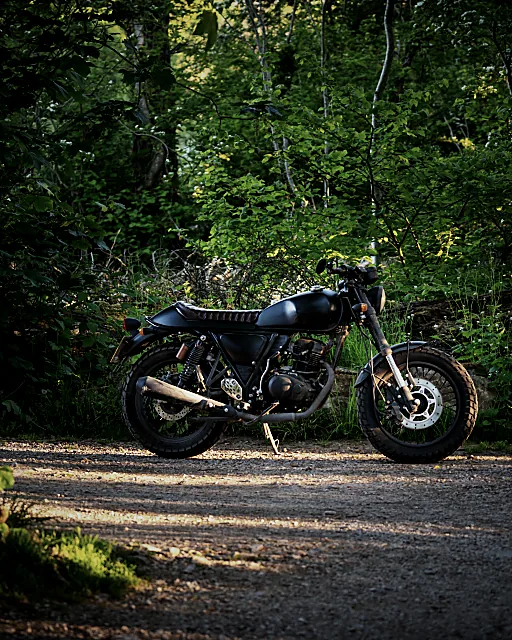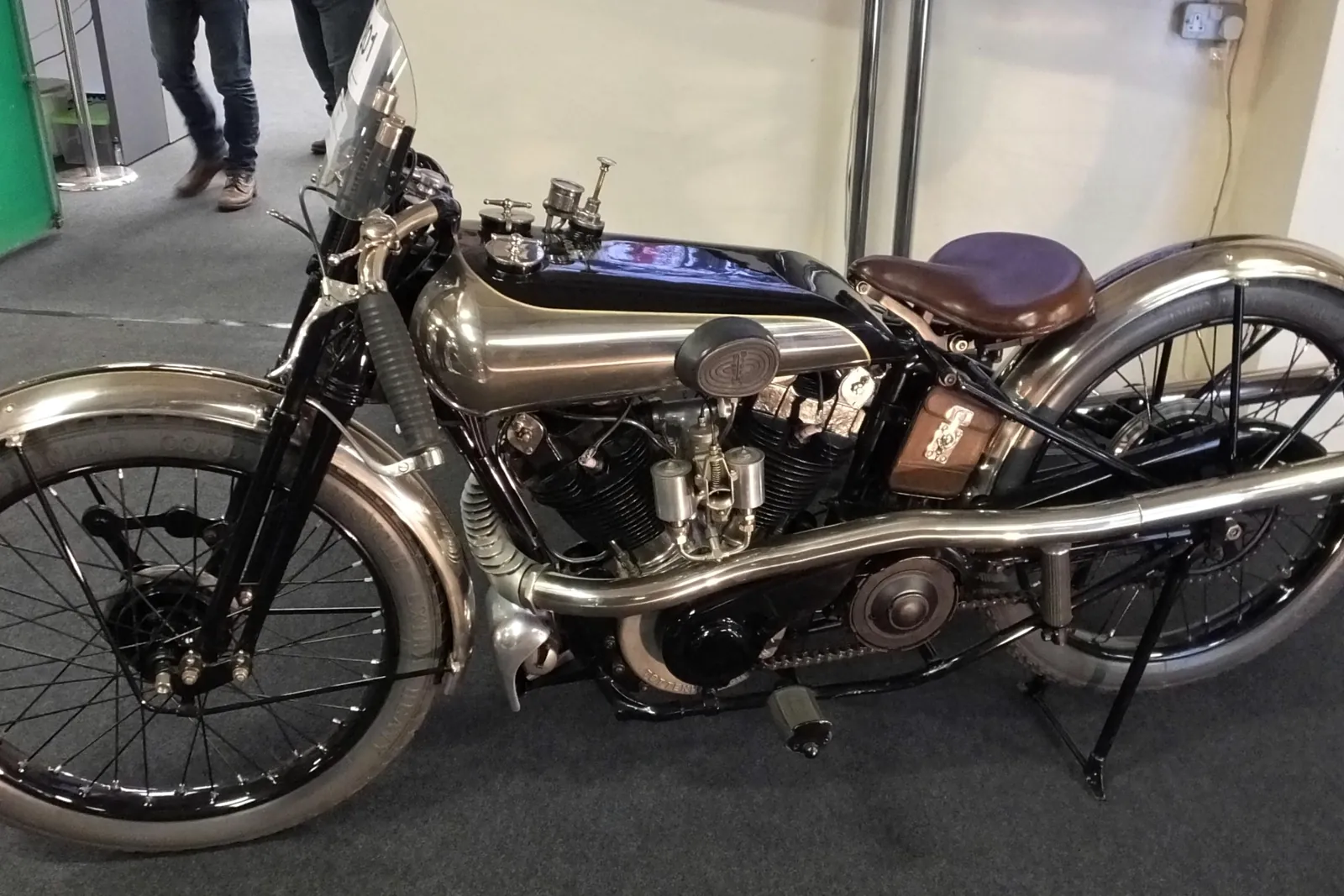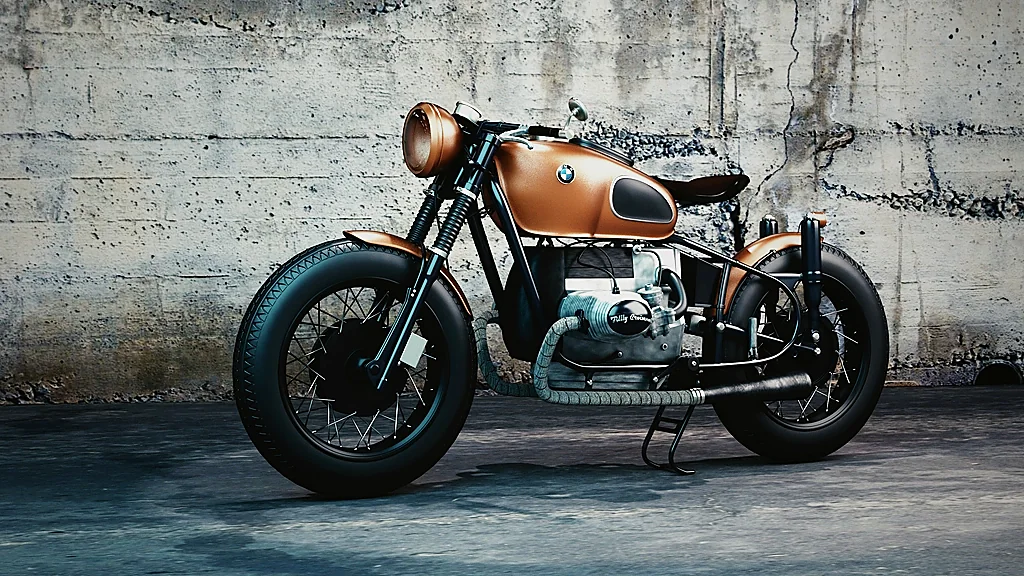
Start with the rider and the road, not the catalogue. Ergonomics, suspension, brakes and electrical capacity come before cosmetics, because they determine whether the finished bike is usable, safe and worth keeping.
What this job covers
Start with the rider and the road, not the catalogue. Ergonomics, suspension, brakes and electrical capacity come before cosmetics, because they determine whether the finished bike is usable, safe and worth keeping.
Signs you need it
You ride with a numb wrist, a sore back or knees that do not fit. The bike looks right but is tiring after an hour. You want a different stance, seat height or luggage setup. A previous custom has left wiring, clearance or handling problems. You are planning a build and want to avoid an expensive dead end.
The process
Brief and rider fit: We measure the rider, discuss the roads and decide what the bike must do. A show bike and a daily commuter are different briefs.
Feasibility and safety: Frame, suspension, brake, wheel and electrical limits are checked before the design is fixed. Some ideas are possible but not sensible.
Mock-up: Bars, seat, pegs, tank and bodywork are positioned in the workshop before metal is cut or paint is ordered.
Build and integration: Mechanical work comes first, then wiring, lighting and bodywork. Every change is tested for clearance and function.
Road test and fettling: The bike is ridden, adjusted and ridden again. A custom that has not been road-tested is a concept, not a motorcycle.
Finish and handover: Paint and coatings are the last step. You leave with the service notes, the changed settings and a clear maintenance plan.
What is included
A written brief with the intended use and the non-negotiables Rider-fit measurements before parts are ordered Clearance and safety checks through the build Electrical load and charging assessment A road test and a settling-in period A record of the settings and parts for future service
What affects the scope
How much of the original machine is being kept Whether the frame, forks or brakes need engineering work The finish standard and how much hand work it requires Electrical accessories and the capacity of the charging system
How to prepare
Bring the bike you actually ride, not a project you have not started. Bring photographs of what you like and, more usefully, what you do not. Decide the budget range and the timeline before the first cut.
Checklist
- Ergonomics: bars, pegs, seat and control reach
- Suspension and ride-height changes
- Wheels, tires and brake upgrades
- Bodywork, lighting and luggage
- Wiring, charging capacity and accessories
- Paint, coatings and final assembly
Questions
Can you customize a scooter?
Yes. Scooters have less exposed structure, so the work is often about ergonomics, suspension, lighting, luggage and finish rather than frame changes. The same rule applies: function before decoration.
Will a custom hurt resale value?
Often, yes, unless the buyer shares the brief. A documented, well-integrated build can hold value; a collection of unverified modifications usually does not. Keep the original parts.
How long does a build take?
It depends on parts, engineering and finish. A focused ergonomic and suspension build is weeks; a frame-up custom with paint and bodywork is months. We give a range after the mock-up, not before.