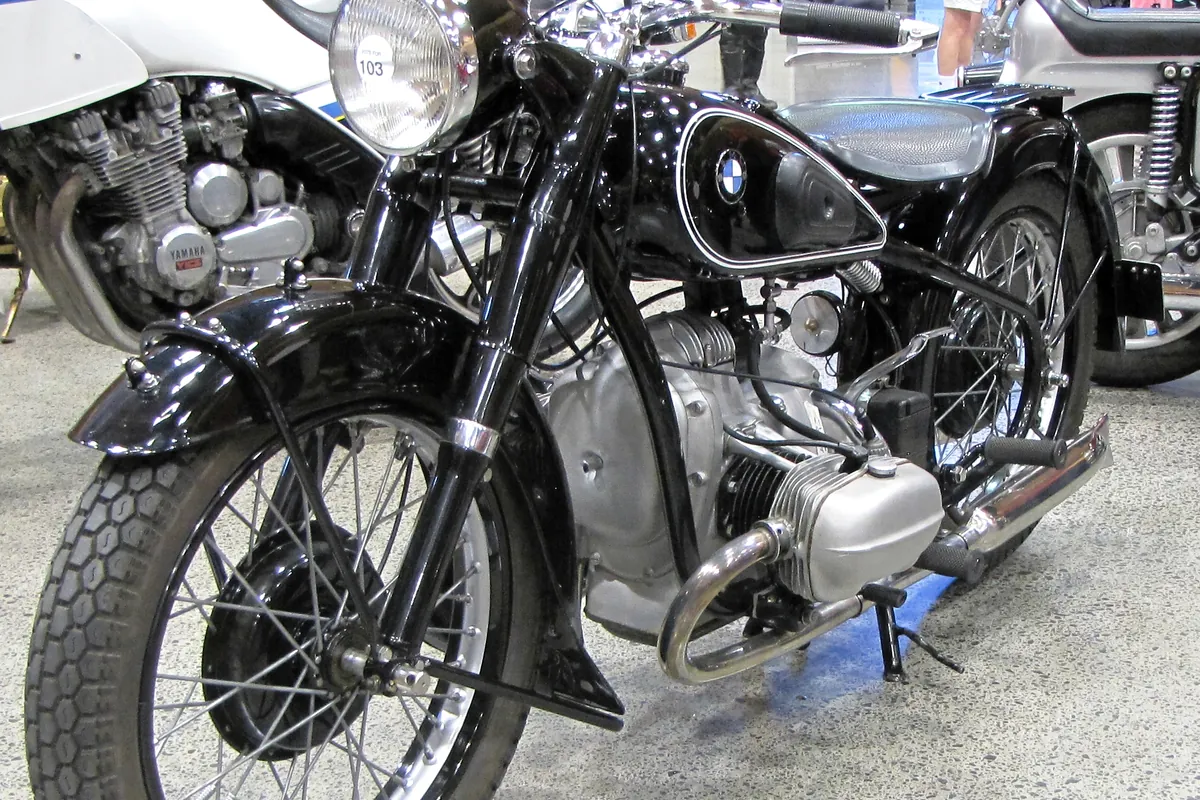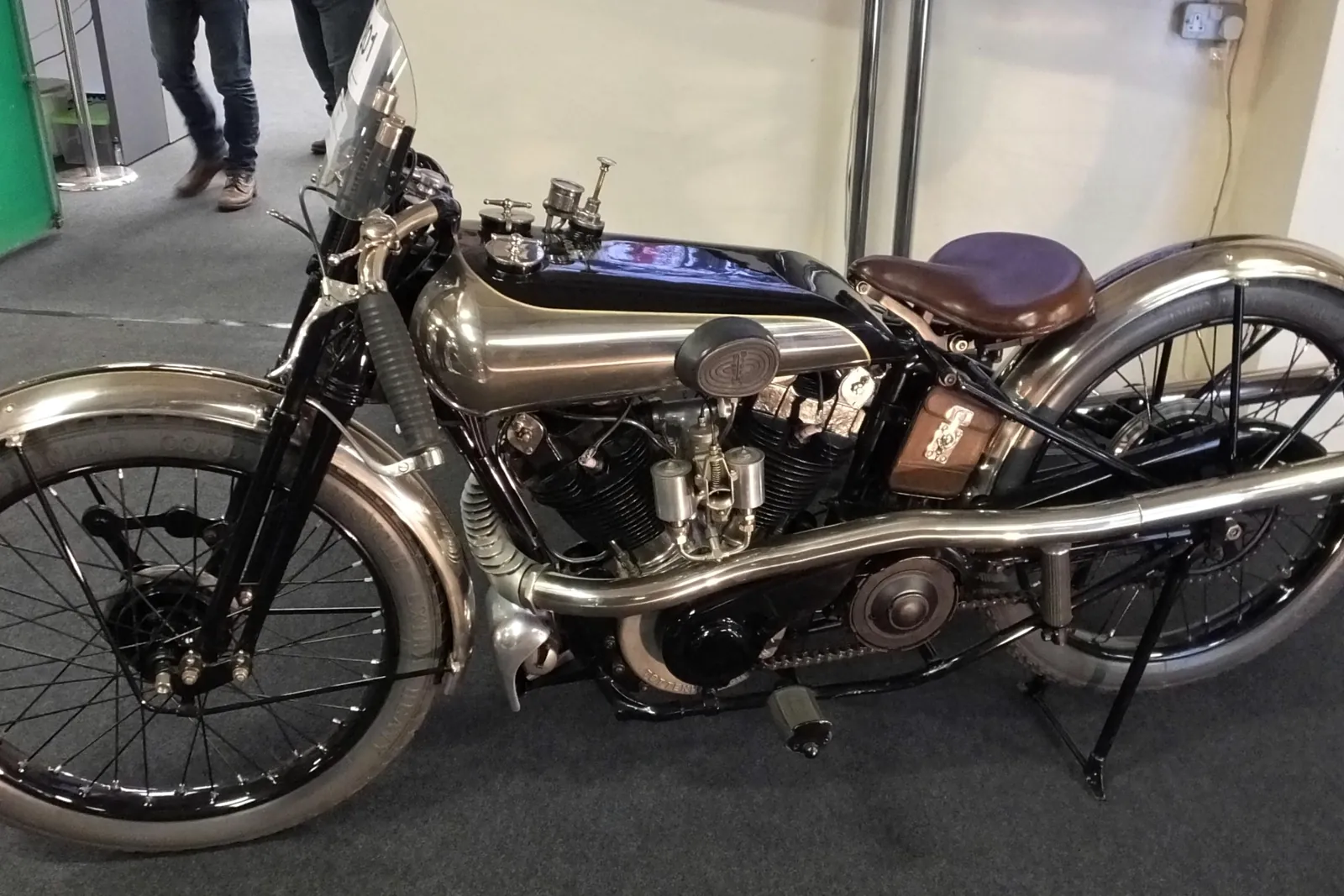
Restore the machine, not the idea of a new one. Preserve original paint, markings and fasteners where they still tell the story; repair safety and function first; document everything you replace.
What this job covers
Restore the machine, not the idea of a new one. Preserve original paint, markings and fasteners where they still tell the story; repair safety and function first; document everything you replace.
Signs you need it
The bike has been off the road for years and needs a full check. A previous restoration used the wrong parts or finish. You want to ride a classic reliably without losing its character. You are deciding whether to restore, recommission or leave it original. The paperwork and history are incomplete and need sorting.
The process
Assessment and history: We record the machine as found: numbers, paint, fasteners, damage, previous repairs and paperwork. Photographs are taken before anything is cleaned.
Decisions and scope: You decide the goal: a safe rider, a concours restoration or a sympathetic recommission. Each has a different budget and a different definition of success.
Teardown and tagging: The bike is dismantled systematically, with parts labelled and photographed by assembly. Unknown repairs are documented rather than hidden.
Mechanical rebuild: Engine, brakes, suspension, bearings, electrics and fuel system are rebuilt to a safe, reliable standard before cosmetics.
Finish and assembly: Paint and plating are chosen to match the goal. Assembly uses correct fasteners and clearances, with anti-seize and protection where it belongs.
Test and document: The bike is run, ridden and checked. You receive a record of the work, the parts and the remaining original components.
What is included
A condition report with photographs before cleaning A written scope that separates safety, reliability and cosmetics Correct-or-close parts sourcing, with the difference explained Careful preservation of original markings where possible A documented rebuild with torque and clearance notes A running-in and maintenance plan
What affects the scope
Whether the frame or engine numbers are correct and documented How much original paint, chrome and trim survives Parts availability and the cost of correct versus pattern parts Whether the goal is riding, showing or investment
How to prepare
Do not wash or dismantle the bike before it is assessed. Collect the registration, import and service paperwork you have. Decide whether originality or usability matters more to you.
Checklist
- Mechanical restoration of engine, gearbox and running gear
- Frame, suspension and brake rebuilds
- Electrical rebuilds and loom repair
- Paint, chrome, coatings and cosmetic decisions
- Parts sourcing, pattern parts and original alternatives
- Documentation and photographic records
Questions
Should I restore a survivor?
Not automatically. A complete, original machine with honest patina is often more interesting and more valuable than a restored one. Clean it, make it safe and preserve the evidence.
Are pattern parts acceptable?
For consumables and hidden parts, often yes. For visible, structural or safety-critical parts, the difference matters. We explain what is correct, what is equivalent and what is a compromise.
Can you restore a bike with no papers?
We can restore the machine, but paperwork is a separate problem. Confirm the registration and import status with the relevant authorities before spending money on a restoration.