Every few years a model becomes fashionable, prices move, and a lot of people discover a passion for a motorcycle they would not have looked at when it was merely used. That is not a criticism. It is how markets work. But it helps to separate the machines that carry value from the machines that are simply old, rare in the wrong way, or expensive because someone has polished them.
The four pillars
Collectibility usually rests on four things. Provenance is the documented history: who owned it, where it was registered, what it raced, which invoices and photographs survive. Originality is how much of the machine is still the machine that left the factory, including the parts nobody photographs. Condition is the difference between honest wear and damage, neglect or a restoration that has erased the evidence. Desirability is the simplest and least rational: enough people have to want it at the same time.
A bike can be strong on one pillar and weak on another. A rare model with no paperwork is a question mark. A beautifully restored bike with a replacement frame is a different machine. An original survivor with faded paint may be more desirable than a perfect repaint, because the wear is part of the story. The market rewards evidence, not enthusiasm.
What earns a place
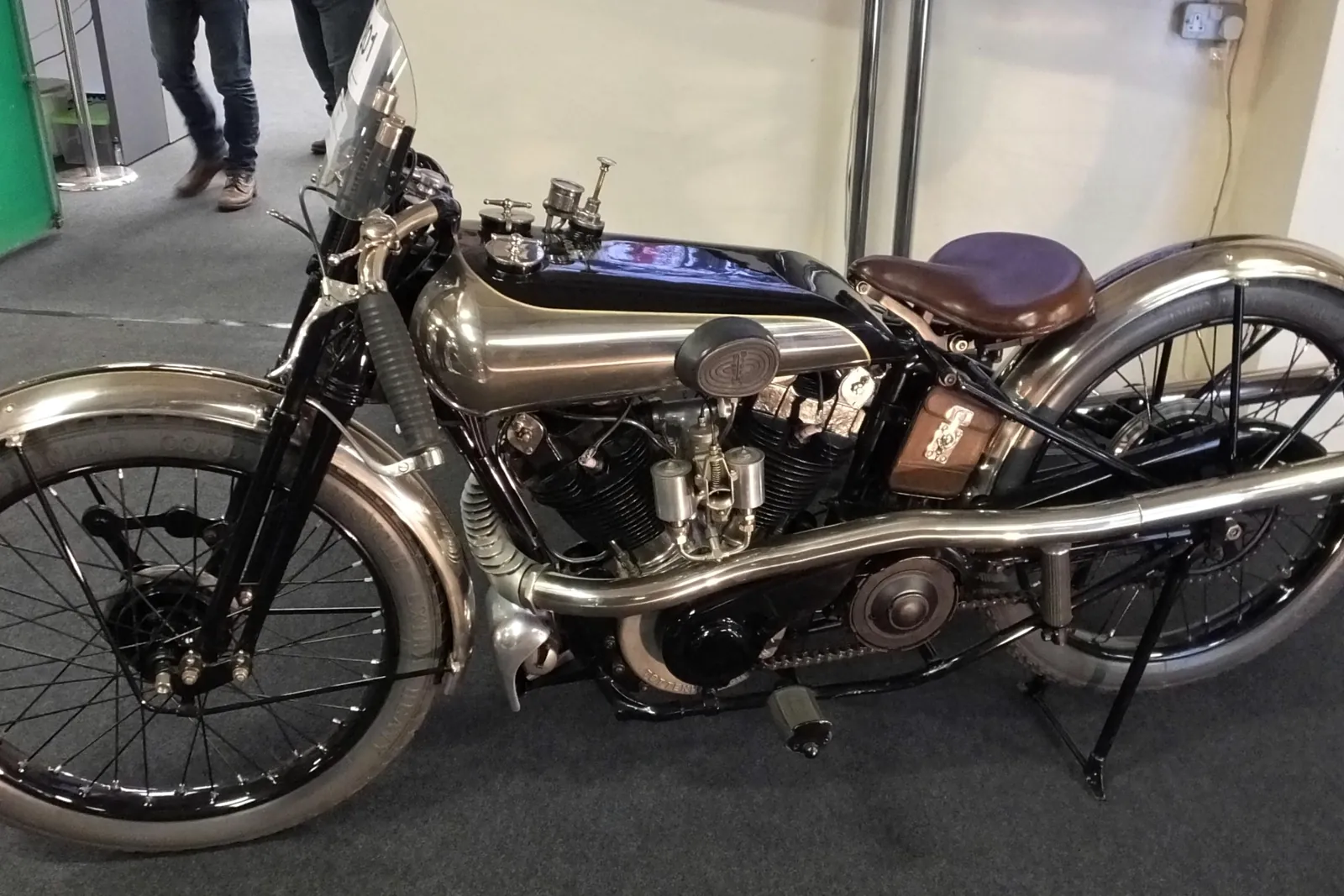
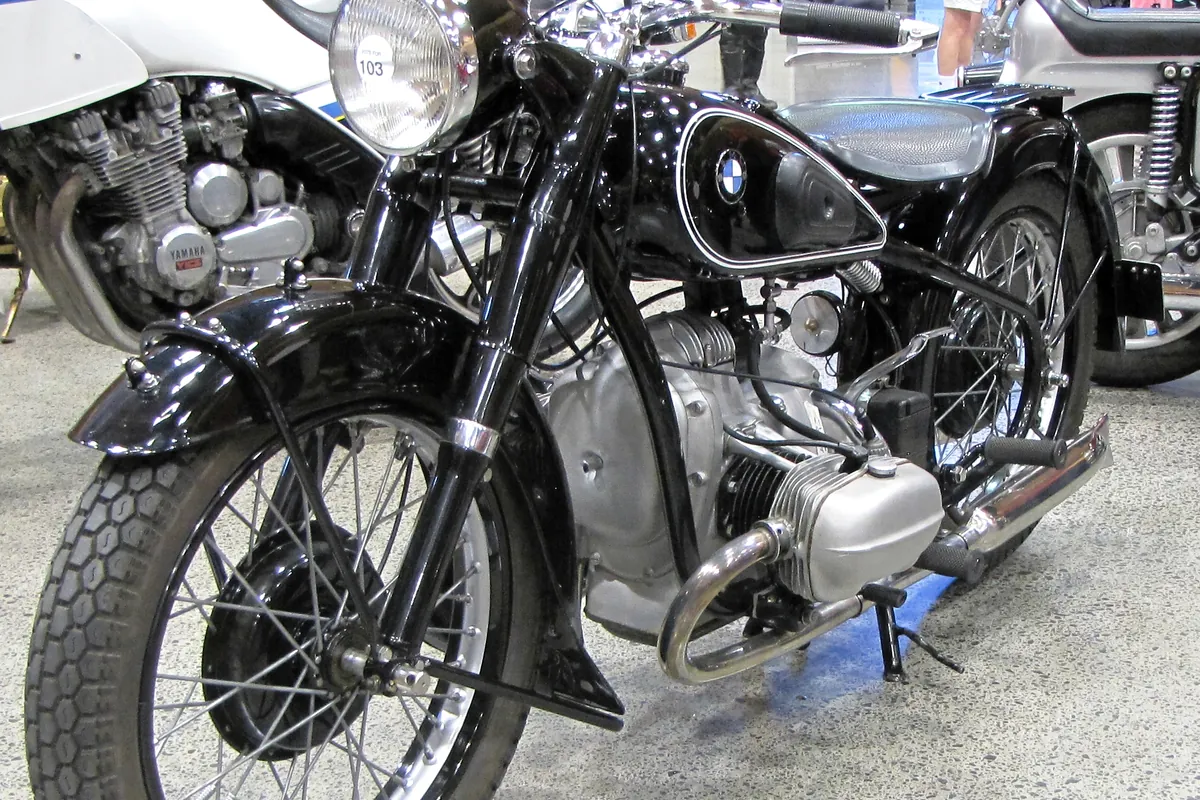
The models that become collectible tend to share at least one of a few qualities: racing history or homologation, limited production, a technical first, a design landmark, or a brand that mattered in a particular era. A Brough Superior, a Vincent Black Shadow, a Honda RC30, a Ducati 916, a BMW R90S, a Kawasaki Z1 — these are examples of the logic, not a shopping list. Each one can be explained in a sentence: what it did, why it was different, and why people still recognise it.
Rarity alone is not enough. A machine built in tiny numbers by a company nobody remembers may be rare and still difficult to sell. A mass-produced bike that changed the market can be far more collectible than a low-volume curiosity. Demand is not the same as scarcity, and the two are often confused by sellers.
Originality beats perfection
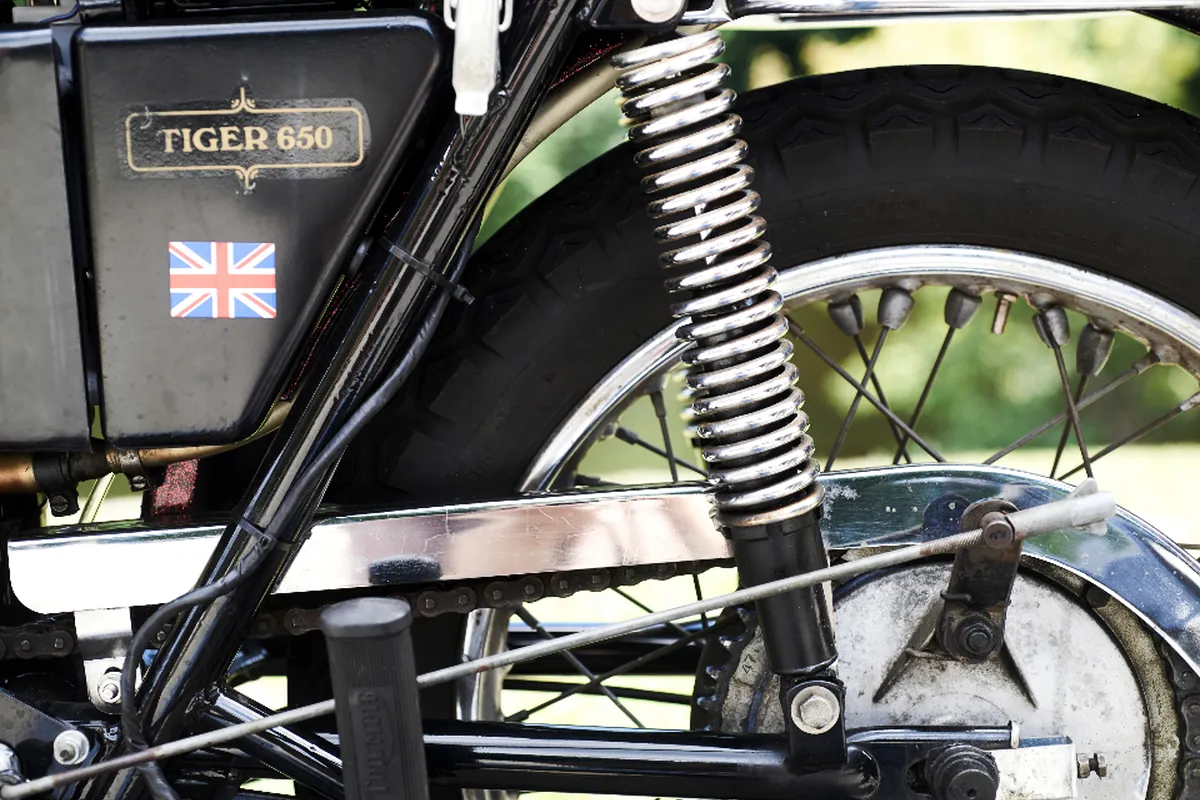
In many cases, an unrestored machine with honest patina is worth more than a perfect restoration, because it still contains the information a restoration destroys: the original paint, the factory markings, the shape of the seat, the type of fastener, the way the wiring was routed. Once those things are gone, they can be recreated, but they cannot be recovered.
A restoration can add value when it is documented, correct and sympathetic. The problems start when a bike is restored to a standard it never had: mirror chrome, modern paint, incorrect decals, stainless fasteners where the factory used cadmium, a seat covered in the wrong material. Over-restoration is still restoration, but it can turn a collectible into a very nice motorcycle that no longer answers the questions buyers ask.
A restomod is a different product. A modern front end, a bigger engine, updated brakes and a new wiring loom may make a better motorcycle to ride. They also make it a custom, not a collectible in the original sense. That can be a perfectly good outcome — just be clear about which market you are in. The same distinction runs through our guide to suspension, brakes and power: improving a machine and preserving it are different projects.
The paperwork is the motorcycle
Frame and engine numbers are the first thing to check, and the documents should agree with them. Registration history, import papers, invoices, old photographs, the original tool kit, the owner's manual, even the dealer sticker on the mudguard — all of it helps. A binder of receipts is not romantic, but it is often the difference between a bike that can be sold and a bike that can only be explained.
In Indonesia, confirm the registration and customs status with the relevant authorities before money changes hands. Rules and procedures change, and a beautiful motorcycle with unclear papers is a negotiation, not a collectible. Ask for copies of the documents, check the numbers yourself, and do not rely on a photograph of a document you have not seen.
Auction catalogues are useful for more than prices. They show how provenance is described, which details matter and how condition is graded. Bonhams publishes motorcycle catalogues that are worth reading even if you never bid; the notes often teach you what to look for on a bike you are considering.
What just gets old
Most old motorcycles are not collectible. That is not an insult. A mass-produced commuter, a tired project, a 1990s sportbike with cracked fairings: they can be excellent bikes to own and ride, and some will become collectible later. But age by itself does not create value, and “they don't make them like this anymore” is true of almost everything.
- Mass-produced UJMs. Good bikes, plenty of them, and usually more valuable as transport than as investments.
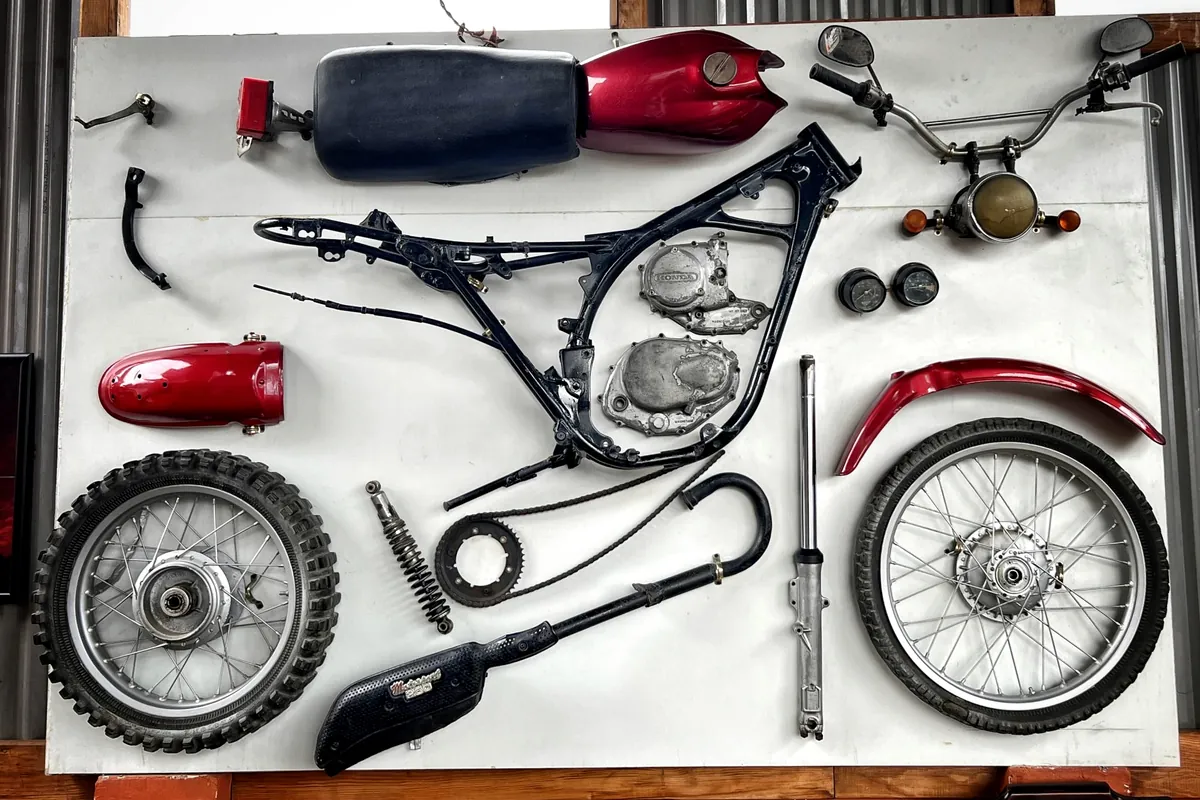
- Incomplete projects. A box of parts is not a motorcycle, however rare the frame.
- “Barn find” romance. Dirt and dust are not provenance. Rust is not a story.
- Customs with no documentation. A beautiful build with no record of who made it or what was changed is hard to value.
- Replacement frames or engines. The machine may be excellent; it is no longer matching numbers.
- Anything sold mainly on a colour or a sticker. Limited editions are only collectible when the model underneath is.
The cost of keeping it
Collecting is not free. Storage, insurance, maintenance, tyres, brake fluid, battery care and the occasional rebuild all cost money, and a bike that sits still degrades faster than one that is used. Fuel goes stale, seals dry, brake fluid absorbs moisture, tyres flat-spot and hoses crack. In a tropical climate, humidity is the quiet enemy: corrosion in the tank, the loom and the fasteners.
The healthiest approach is to ride the machine regularly, warm it fully, keep the fluids fresh and store it dry. If a bike is going into long storage, prepare it properly and write down what you did. A collectible with a service history is easier to sell than one that was started occasionally and never serviced. The same discipline that keeps a modern bike reliable applies to an old one, just with more attention to the parts that are no longer made.
Buying checklist
- Frame and engine numbers match the documents.
- Registration and import status are clear and verifiable.
- Originality: paint, bodywork, exhaust, wheels, carburettors, instruments, fasteners.
- Crash damage: frame, forks, swingarm, steering stops, engine mounts.
- Corrosion: tank, frame, electrics, chrome, fasteners.
- Engine: cold start, smoke, unusual noise, oil pressure, leak history.
- Electrics and charging: lights, ignition, regulator, loom repairs.
- Tyre and brake-fluid dates; condition of brake lines and seals.
- Parts availability for the model, and a specialist who knows it.
- Documentation: invoices, photographs, manuals, tool kit, previous owners.
- Seller's story checked against the evidence, not the other way round.
- Price compared with recent sales, not with optimistic asking prices.
The long view
Collectibility is a market, not a guarantee. Prices move, fashions change, and the model everyone wanted five years ago can sit unsold while something quieter takes its place. Transaction costs, insurance and maintenance take a share of any return. If you buy a motorcycle purely as an investment, you are buying a hobby with a balance sheet attached.
Buy the bike you want to ride and can look after. Learn its history, keep its paperwork, preserve what is original and improve only what needs improving. The market may reward you. It is not obliged to. The gear you wear, the roads you choose and the people you meet along the way are the part that cannot be depreciated.
If you are commissioning a machine rather than buying a historic one, the same discipline applies in a different form. Our about page describes the standards we work to, and the service page sets out what a commission includes. A motorcycle is worth keeping when it is worth understanding.