There is expensive gear that announces itself and expensive gear that disappears. The second kind is the only kind worth owning. It does not ask for attention at a roadside stop, and it does not remind you of its price when the weather turns. It simply stays where it should and lets you concentrate on the road.
A second skin, not a costume
Motorcycle gear has three jobs: stay in place in a crash, absorb the energy it can, and let you keep riding without distraction. Everything else — colour, logo, the story on the hangtag — is decoration. Decoration is fine. It just should not be the reason you choose one jacket over another.
Fit is a safety feature. A back protector that rides up, a jacket that twists around the waist, a glove that leaves the palm loose: all three can turn a protective layer into a loose object at the moment it is needed. The armour has to sit over the joint it is meant to protect, and it has to stay there when the fabric is pulled.
Helmets: fit first, then everything else
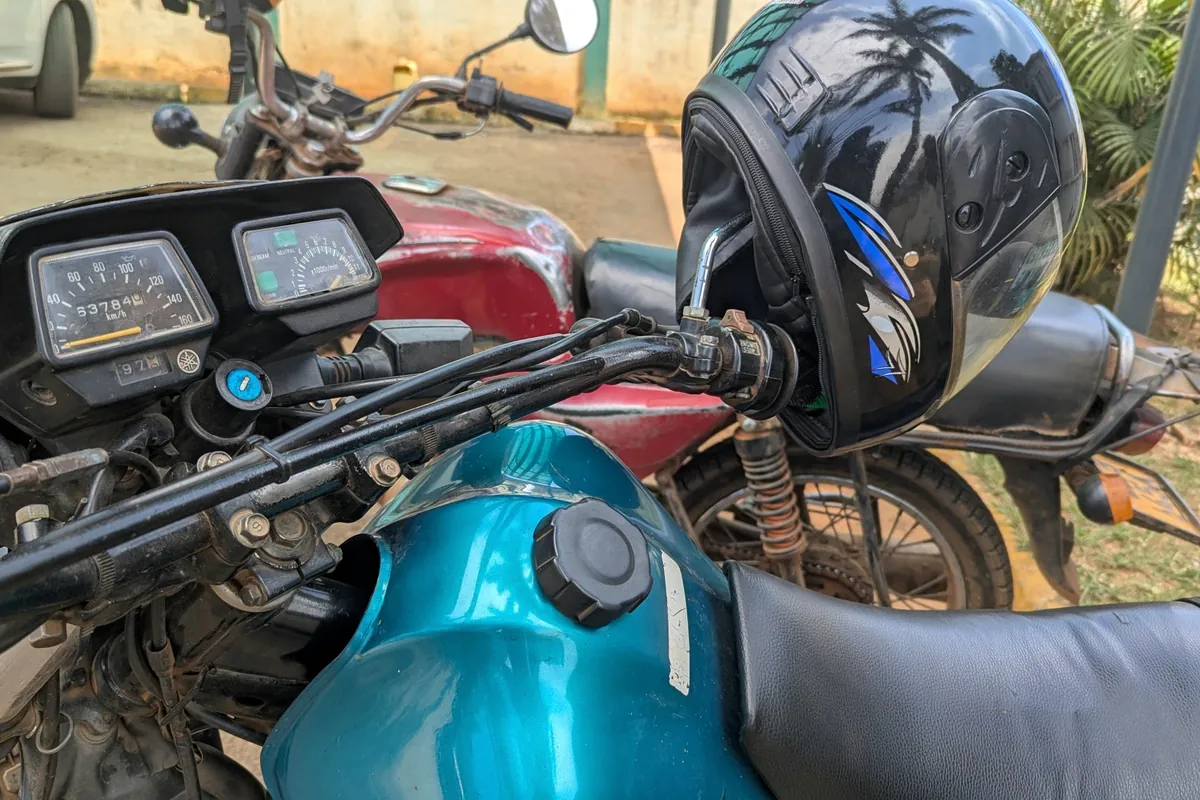
Head shape matters more than brand. Two helmets in the same size can fit completely differently because one is rounder and one is more oval. A good shop will let you wear a helmet for twenty minutes, not twenty seconds. If it creates a pressure point on the forehead or lifts at the back when you turn your head, it is the wrong shell for you, however good the review.
Look for a range of shell sizes rather than one shell padded down to fit every head. Check the cheek pads: they should be firm but not painful, because they will bed in. Check that the visor seals, that the chin strap tightens evenly, and that the helmet does not rotate forward when you push it from the rear. Weight matters on a long day; noise matters on every day.
Certification is a floor, not a ranking. ECE 22.06, Snell and the FIM standard test different things in different ways; the label that applies in your market is the one to look for. Beyond that, the practical questions are ventilation, pinlock compatibility, glasses clearance and whether the visor mechanism can be operated with gloves. Shoei and other established makers publish fit and sizing guidance; use it, then try the helmet on.
Replace a helmet after a significant impact, even if the shell looks intact, and follow the manufacturer's guidance on service life. A second-hand helmet with an unknown history is not a bargain. It is a used protective device with no service record.
Leather is not automatically protection
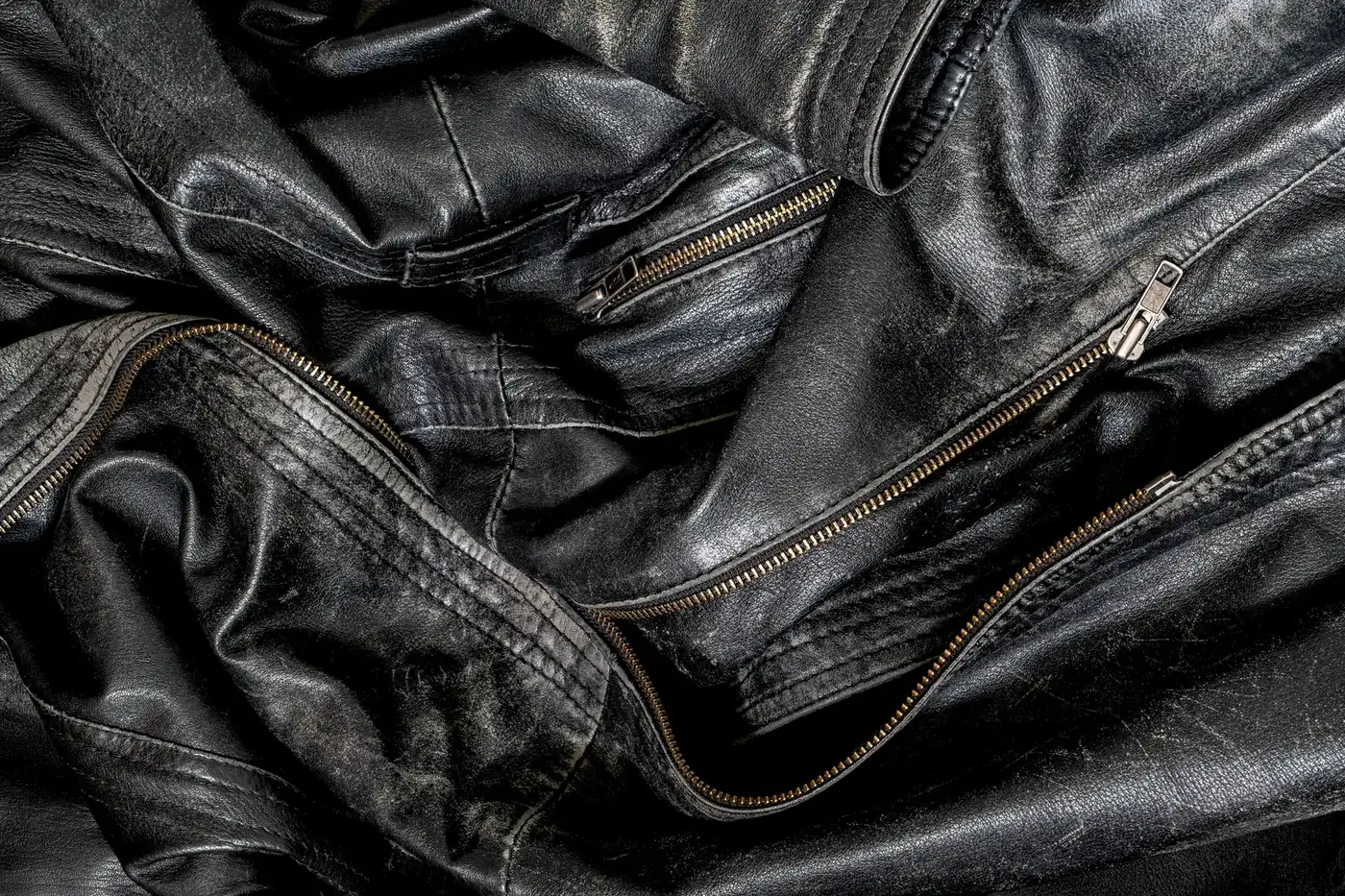
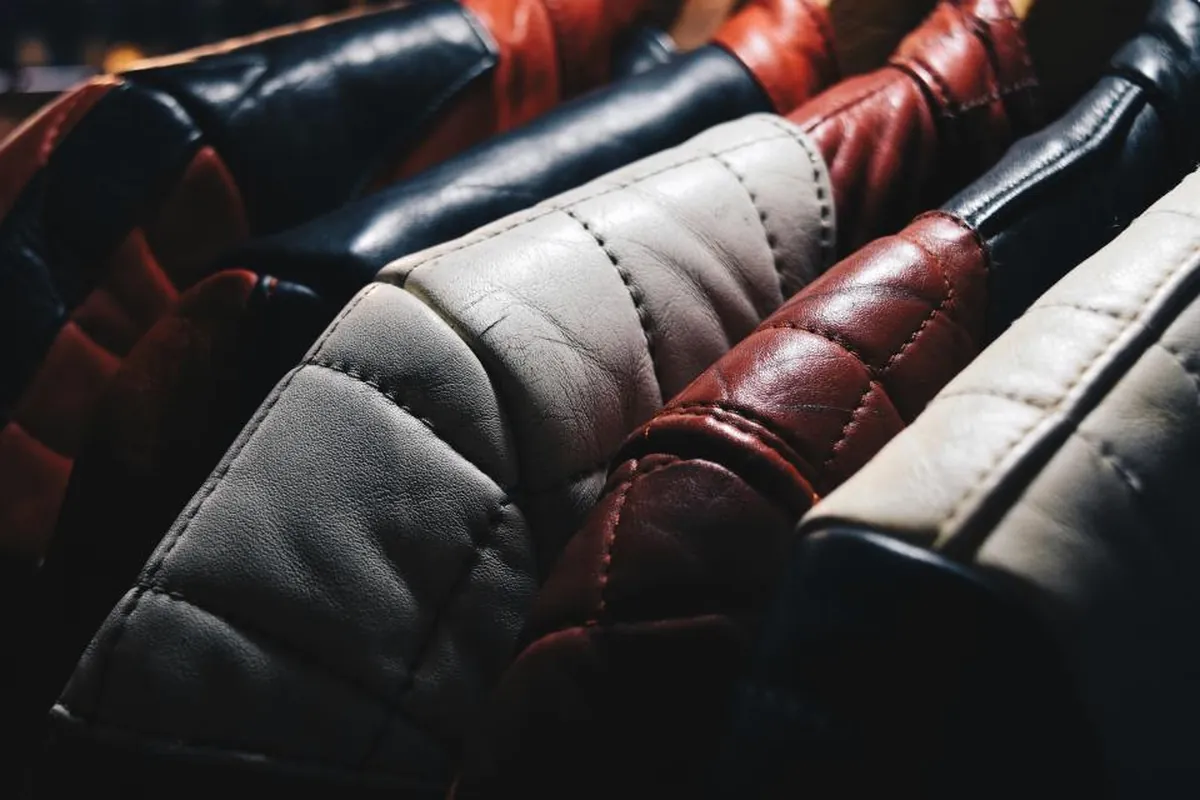
Thick leather helps, but thickness alone does not make a jacket safe. The seams, the armour pockets, the cut and the fit decide whether the material stays between you and the road. Look at where the seams sit: a beautiful seam across the shoulder can be the first thing to fail in a slide. Look for a jacket that is cut for a riding position, not for a shop window.
Fashion jackets often have the silhouette without the structure: decorative stitching, no armour, a loose waist, a collar that flaps at speed. They can be lovely objects and still be the wrong thing to wear on a motorcycle. The same applies to “military surplus” and workwear. A tough fabric is not the same as riding gear.
Textile and mesh have their place, especially in heat and rain. A laminated shell keeps water out without soaking the outer layer; a removable thermal liner is useful in the highlands and useless in the city at noon. Neither leather nor textile is universally better. The right answer depends on the weather you actually ride in — which, in Indonesia, can be several weathers in one day. Our guide to five Indonesian roads worth a season assumes you will meet rain, heat and cold on the same trip.
Armour should be CE-rated and positioned correctly at the shoulders, elbows and back. A back protector is not optional if the jacket has a pocket for one. Brands such as Rukka build their reputation on weather protection and fit; that is the kind of detail worth paying for, not a larger logo.
Gloves and boots
Hands are the first thing most riders put out. A good glove has a palm slider, knuckle protection, a wrist closure that cannot be pulled off, and a fit that leaves no loose fabric at the fingertips. It should let you operate the controls without thinking, and it should not bunch under the palm on a long descent.
Boots are the other end of the same argument. Ankle support, a sole stiff enough to spread an impact, shin coverage and a toe box that does not crush your foot against the peg matter more than a racing graphic. A touring boot that is comfortable off the bike will be worn at every stop; a race boot that hurts will be left at home. Waterproofing is a system of membranes and sealed seams, not a spray you apply once.
Luggage: soft is often enough
Hard cases are convenient, secure and heavy. Soft luggage is lighter, kinder to the bike and easier to carry onto a ferry. For most touring, a set of well-mounted soft panniers and a tail bag is enough. Keep the weight low and forward, check clearance at the exhaust and the rear tire, and make sure the straps cannot migrate into the wheel.
Kriega is one of the companies that understands the difference between a bag that hangs off a bike and a system that becomes part of it. Whatever you choose, load it, ride a short distance, and stop to check the straps. A bag that shifts under braking is a distraction; a bag that touches the exhaust is a fire.
The quiet luxury test
Before you pay for anything, ask five questions:
- Does it disappear when I wear it, or do I spend the ride adjusting it?
- Can it be repaired, or is it designed to be replaced when one seam fails?
- Does it work in heat and rain, not just in the shop?
- Are the materials better than the feature list?
- Would I buy it again without the badge?
The answers point to the same conclusion: buy fewer pieces, choose the ones that fit, and maintain them. A well-cared-for jacket can outlast three fashion replacements. The same logic applies to the machine itself. The upgrade sequence we use on a bike starts with the contact patch and the controls, not with the parts that make the most noise.
A buying order
If you are starting from nothing, this is the order that gives the most protection for the money:
- Helmet. Fit, certification, visor and noise. Spend here first.
- Gloves. Palm sliders and a secure wrist closure.
- Boots. Ankle support and a sole you can ride in all day.
- Jacket. Abrasion resistance, CE armour, a back protector pocket.
- Pants. Riding pants or reinforced jeans with knee and hip armour.
- Rain layer. Something that packs small and seals at the wrists and neck.
- Luggage. Only after the rest works.
Spend on fit and armour; save on colourways. A single good helmet and a pair of gloves will do more for your riding than a matched outfit that fits badly. If you are commissioning a bike at the same time, our service page explains how we think about the rider's position and the machine together.
What not to buy
- A used helmet with no known history, even if the shell looks perfect.
- Military surplus or workwear presented as riding gear.
- An open-face helmet for highway-speed riding if you value your jaw.
- Cheap gloves with no palm slider and a wrist strap that opens under load.
- A jacket that is a size too large because it “looks better”.
- An adventure suit for city commuting if the vents and weight make you leave it at home.
- Anything advertised as waterproof without sealed seams or a membrane.
- “CE approved” armour with no label or standard number.
The point
Quiet luxury is not a price point. It is the absence of friction. The jacket that keeps the wind out, the gloves that do not numb your hands, the helmet that lets you hear the engine and not the turbulence — these are the pieces that earn their place. They are also the pieces you will still be wearing when the trend that sold them has moved on.
Buy fewer things. Wear them out. Repair them. Then buy the next one from someone who understands why that matters. The same standard applies whether you are buying gear, choosing a collectible motorcycle, or commissioning a café racer from a bare frame.