The best motorcycle trips in Indonesia are not defined by distance. They are defined by a road that keeps changing its mind: a volcano in the mirror, a terrace of potato fields, a lake that appears after forty-four hairpins. The country rewards riders who leave room for the long way.
How to read this list
These are corridors and loops, not lap times. Road conditions change, permits change, and a route that is easy in the dry season can be a different proposition after a week of rain. Check locally before you go, ride within the surface you can see, and treat every estimate as a guess made by someone who is not on the bike with you.
The list assumes a road-legal motorcycle, a full licence and the documents your rental company or embassy tells you are required. It also assumes you will start early. In the highlands, the weather often arrives in the afternoon; on the coast, the heat does. A 6am start is worth more than a bigger engine.
1. Bromo and the Tengger massif, East Java
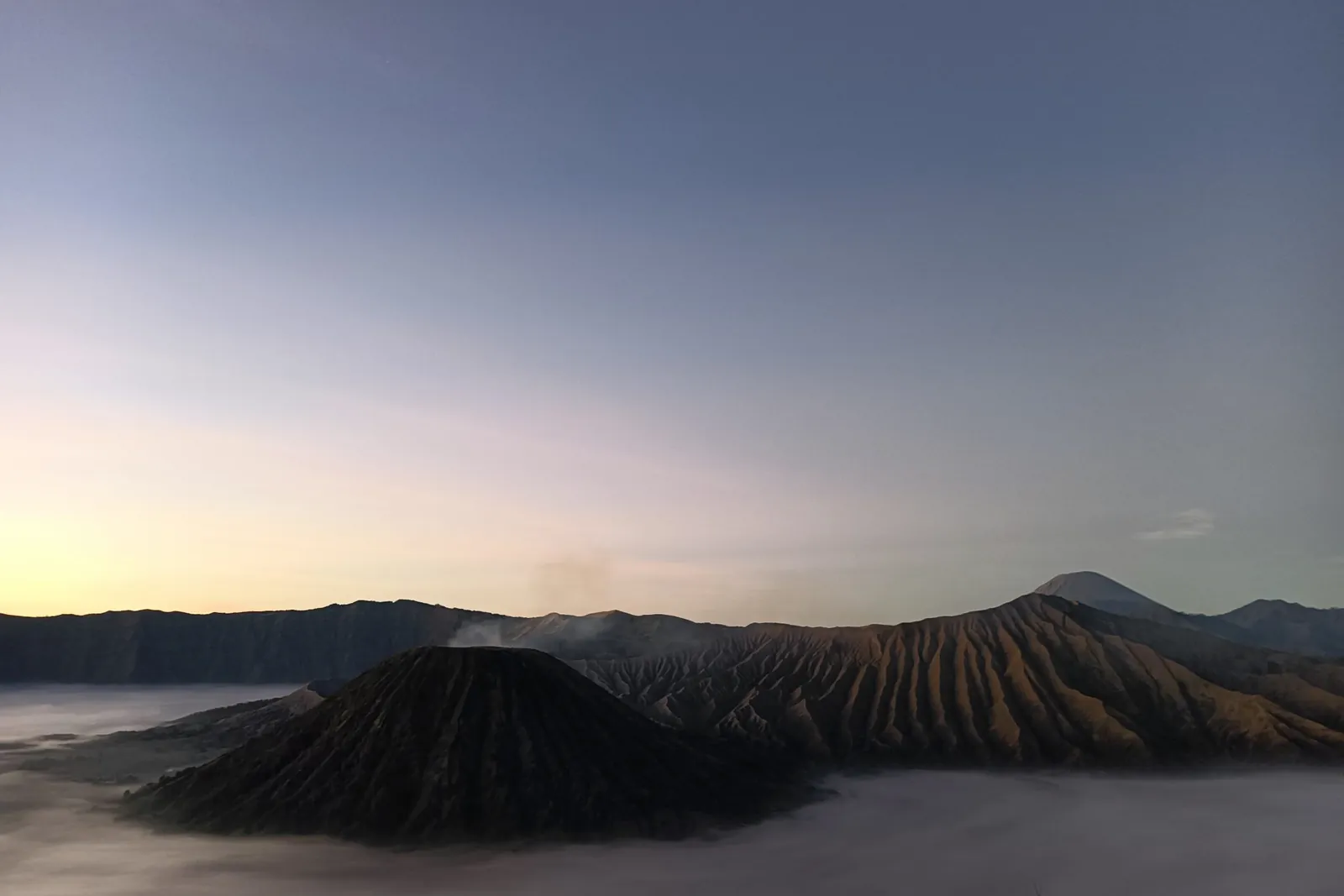
There are two common approaches: from Probolinggo through Tosari to Cemoro Lawang, or from Malang through Tumpang and Ngadas. Both climb into the Tengger caldera, where the temperature drops and the road turns to ash, gravel and steep switchbacks. The reward is the Sea of Sand at dawn, with Mount Bromo smoking across the plain and the rim of the caldera behind you.
Ride before first light, but expect company: jeeps, minibuses and other riders use the same narrow roads to reach the viewpoints. The famous view from Penanjakan is worth the early start, but the road is not a racetrack and the descent is harder than the climb. Use engine braking, leave space, and do not trust the surface in the corners. Volcanic ash is slippery when wet and unpredictable when dry.
A park permit is required, and access to the crater floor can change with conditions and ceremonies. Check the current rules before you ride in. The Yadnya Kasada ceremony is a living religious event, not a photo opportunity; keep your distance, follow local instructions and do not ride into areas that are closed. Fuel up before you climb, carry warm layers, and give yourself a rest day if you are coming from sea level.
2. The Dieng plateau, Central Java
The road from Wonosobo to Dieng climbs through potato terraces, steep fields and small villages before opening onto a cool plateau of geothermal craters, lakes and temple ruins. Base yourself in Wonosobo, ride up early, and spend the day moving between Sikidang crater, Telaga Warna and the Arjuna temple complex. The plateau is a loop, not a single viewpoint.
Dieng is high enough to be cold in the morning and wet in the afternoon. Fog can arrive quickly and reduce visibility to a few metres, so a clear visor, a warm layer and working lights matter more than pace. Farm traffic, trucks and narrow village roads keep the average speed low. That is part of the character. The road is not there to be rushed.
3. The Munduk loop, North Bali
Start at Bedugul and head north through Wanagiri and Tamblingan, then down through Munduk to Seririt on the north coast. The loop takes in coffee plantations, crater lakes, waterfalls and some of the narrowest, greenest lanes in Bali. It can be done in a day; it is better in two, with a night in Munduk and an early start the next morning.
The road is shared with scooters, vans, trucks and the occasional dog. Corners are blind, the surface can be wet under the trees, and the descent to the coast is fast and exposed. Ride the first half before the tour traffic builds, take the corners wide enough to see, and do not treat the loop as a place to prove anything. The views are the point.
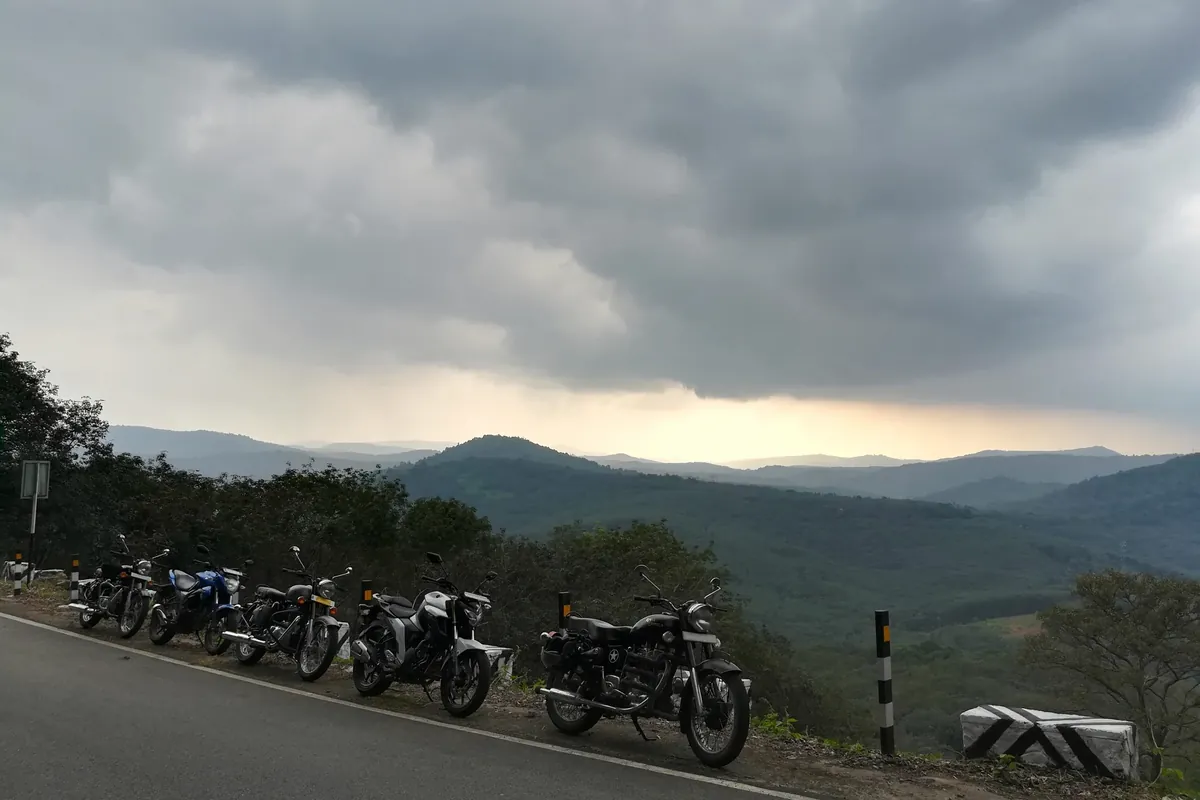
4. Kelok 44 and Lake Maninjau, West Sumatra
The road from Bukittinggi through Malalak to Kelok 44 is a lesson in patience: forty-four hairpins cut into the hillside, with blind exits, steep gradients and the occasional bus using the whole road. The reward at the bottom is Lake Maninjau, a caldera lake ringed by villages and quiet roads. The turns are the attraction; the lake road is the reason to stay.
Go down in the morning if you can. Use engine braking, keep the brakes cool, and do not overtake on a blind hairpin. In the wet season, landslides and road damage can close sections without much warning, so ask locally before you commit to the loop. Padang food, a lake-view guesthouse and an early swim are better reasons to stop than a schedule.
5. Lake Toba and Samosir, North Sumatra
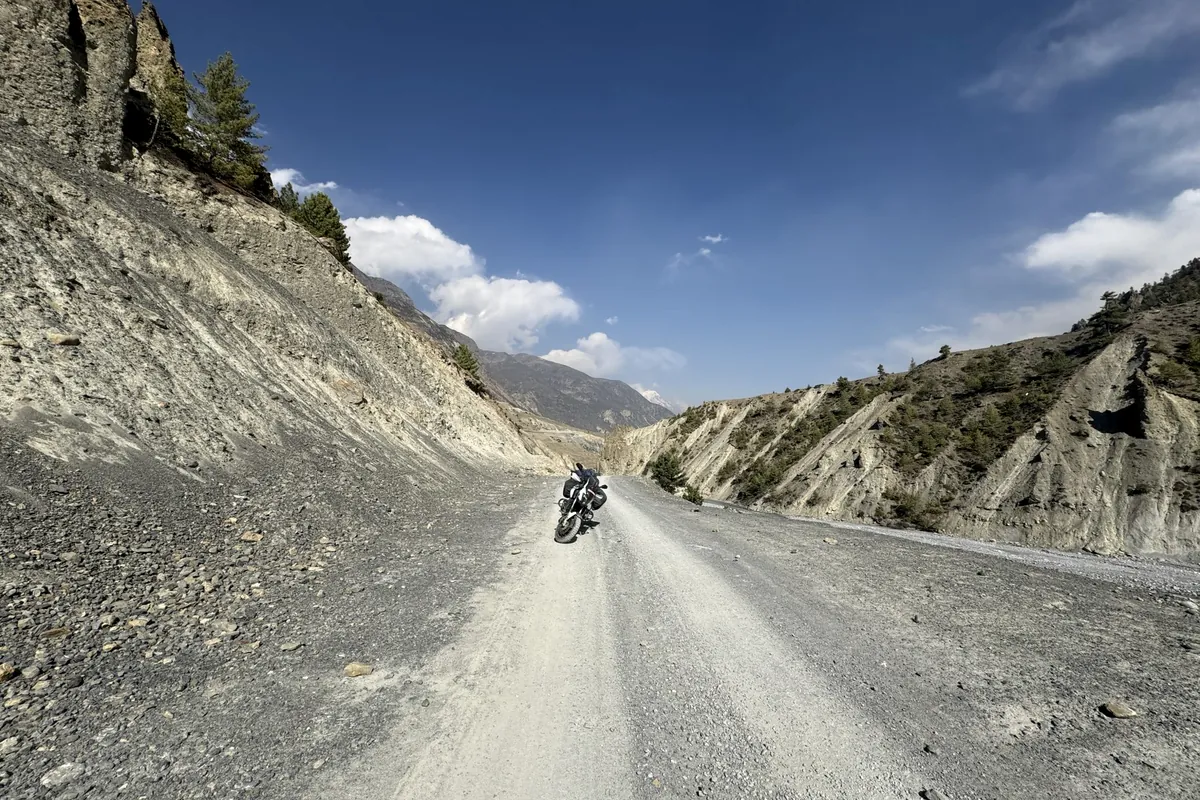
Lake Toba is a caldera lake with an island in the middle, and the loop around Samosir is one of the most rewarding rides in Sumatra. Reach Parapat, take the ferry across, and give yourself two or three days to ride the island and the highlands around the lake. The Batak villages, the views from the ridge and the cool nights are worth the effort of getting there.
The ferry timetable is the constraint. Arrive early, buy your ticket in advance if you can, and allow for delays. Roads on Samosir are mixed: some sections are smooth and quick, others are patched, steep or broken. Ride accordingly, and keep an eye on the weather; the lake can be sunny on one shore and under a thunderstorm on the other.
Practical notes
- Documents. Carry your licence, an international driving permit where required, the bike's registration and your insurance details. Confirm the current requirements with your rental company or embassy before you travel.
- Fuel. Know your range and fill at every reasonable opportunity. In remote areas, the next station may be further than the map suggests; carry cash.
- Rain and heat. A packable rain layer, a clear visor and hydration matter more than a fifth horsepower. See our guide to gear worth paying for.
- Tyres and brakes. Start with good rubber, correct pressures and fresh brake fluid. A loaded bike on a wet descent asks a lot of both. Our upgrade sequence explains why these come before power.
- Traffic. Trucks, buses, scooters and pedestrians share the road. Ride defensively, avoid night riding where you can, and never assume a corner is clear.
- Navigation. Download offline maps, carry a power bank, and do not rely on a signal in the highlands.
- Mechanical support. Know where the nearest workshop is, carry a basic tool kit, and check the bike before every long descent.
- Respect. Villages, ceremonies and temple grounds are not part of the route. Ask before photographing people, dress appropriately, and follow local instructions.
For official destination information, Indonesia.travel is a useful starting point, but the best information usually comes from the people who live on the road you are about to ride.
When to go
Broadly, the dry season from April to October is the easiest window for a multi-island trip, but Indonesia has microclimates and a forecast is only a forecast. Bromo is best in the dry months; Dieng is cool year-round and often wet in the afternoon; Bali's wet season runs roughly from November to March; Sumatra can rain at any time. Build in a rest day and a weather day, especially if you are riding between islands.
The shoulder seasons can be excellent: fewer riders, greener landscapes and softer light. They also demand more flexibility. If a road is closed, the alternative is not a failure of the itinerary. It is the itinerary.
A season, not a checklist
Five routes in one trip is a driving holiday, not a riding one. Choose two or three regions, give each enough time to breathe, and leave space for the road that was not in the plan. The machine matters less than the preparation: fresh tyres, working brakes, a comfortable seat and luggage that stays where you put it. Our service page explains how we prepare a bike for a long ride; the Bara scrambler was built for the kind of road that stops being a road.
The best Indonesian rides are the ones where you arrive early, stop often, and do not spend the day trying to make up time. The road is the destination. Plan the season around that, and the country will do the rest.