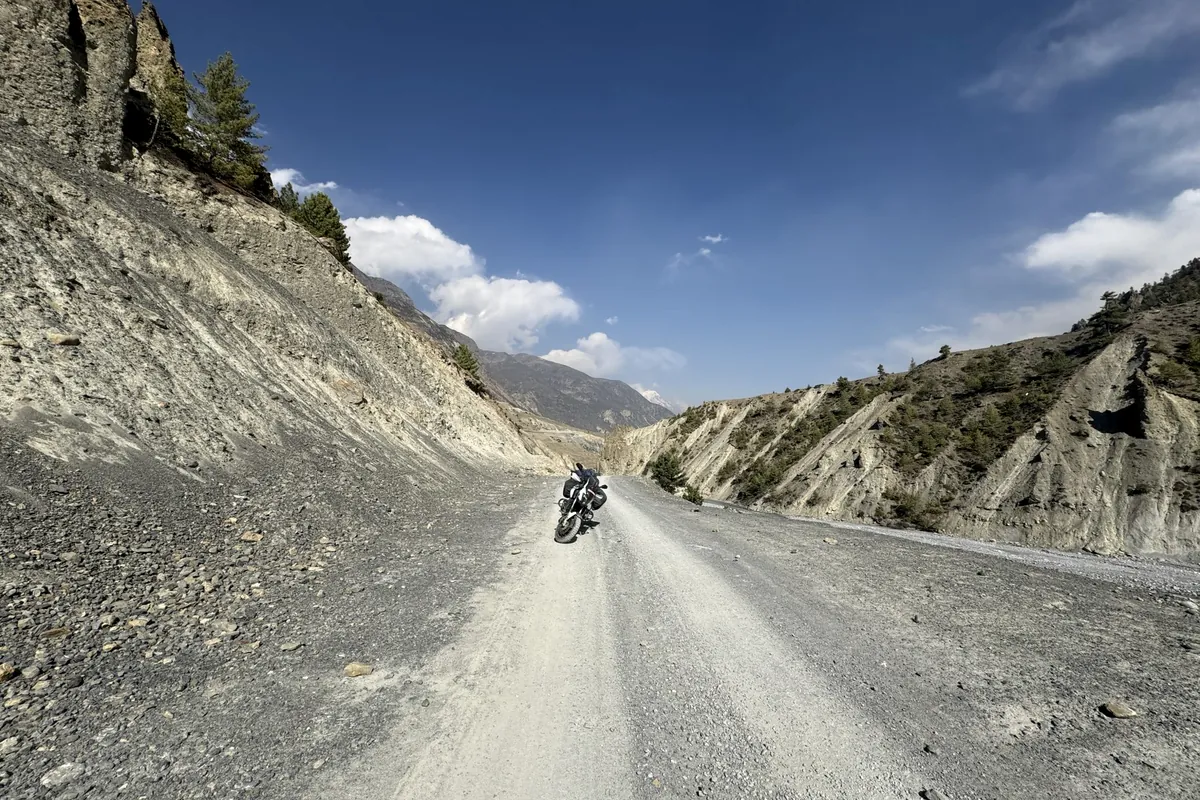
A small dual-sport is often ridden in conditions that would stop a road bike: dust, mud, water crossings and rocky tracks. The service plan has to reflect that.
The layout
The KLX150 uses an air-cooled single of about 144 cc with a five-speed gearbox and chain drive. Long-travel suspension and spoked wheels are built for rough surfaces.
Air filter
Clean and oil after every dusty ride. A clogged filter wears the engine quickly.
Chain and sprockets
Mud and grit accelerate wear. Clean, lubricate and adjust after off-road use.
Suspension and bearings
Check fork seals, shock linkage, wheel bearings and steering-head play. Water crossings shorten bearing life.
Brakes and tyres
Inspect pads for grit and the fluid for moisture. Choose tyres for the surface you ride most.
Known wear points
Air filter: A dirty filter is the fastest way to wear a dirt engine. Wheel bearings and linkage: Water and grit destroy bearings. Check for play and roughness. Chain: Mud wears chains quickly. Clean and lubricate after every wet ride.
Checklist
- Clean and oil the air filter after dirt rides.
- Check chain slack and lubrication.
- Inspect fork seals and shock linkage.
- Check wheel bearings and spokes.
- Test brakes and tyre pressure.
- Look for loose fasteners after vibration.
Questions
Can the KLX150 handle long trips?
It can, with realistic planning. The small tank, narrow seat and light build suit back roads more than highways.
Is it good for beginners?
Yes, its light weight and manageable power make it approachable, but off-road training matters.
Does it need special oil?
Use the specification in the manual. Air-cooled engines run hot in traffic, so oil quality and interval matter.