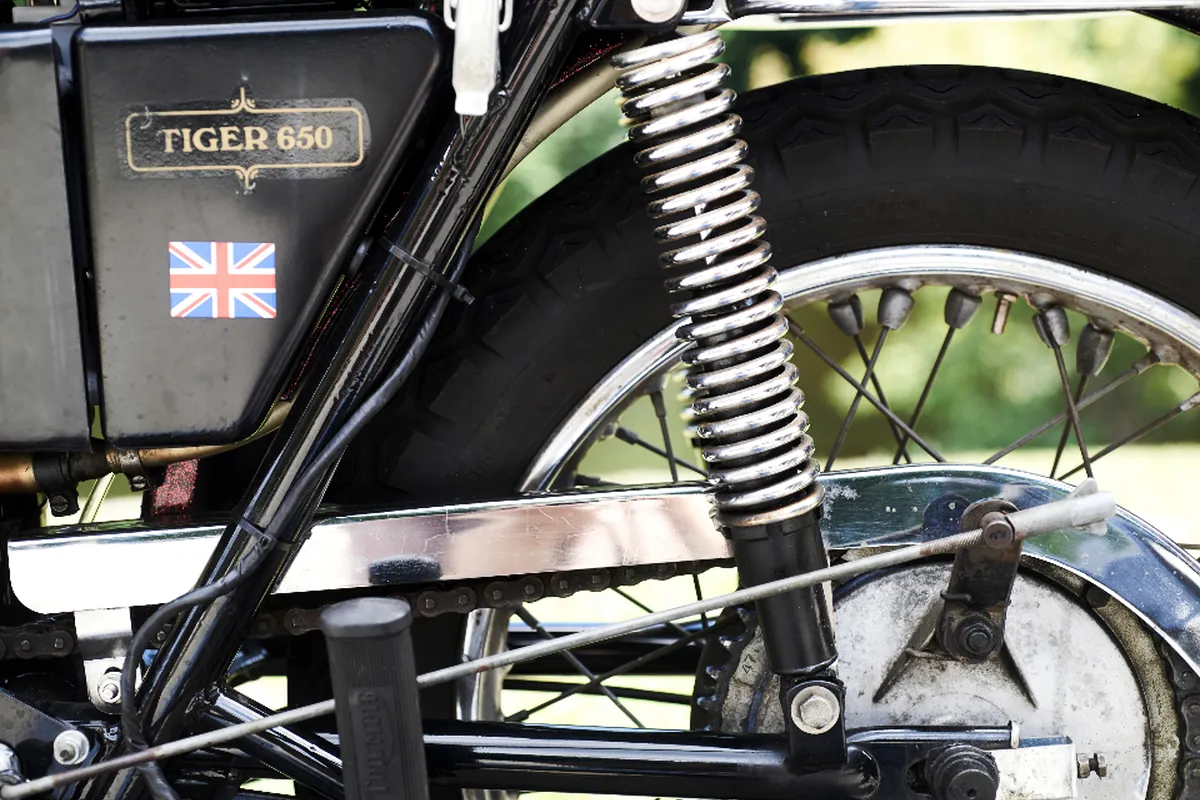
Storage is not just parking. A bike that sits for months needs preparation, ventilation and a restart plan. A damp garage can do more damage than regular riding.
Fuel and engine
Fill the tank to reduce condensation, or drain it completely if the storage is long. Use a fuel stabiliser if the bike will sit for months. Old fuel clogs injectors and carburettors.
Change the oil before storage if it is due. Contaminants left in the engine can corrode bearings.
Battery and electrics
Charge the battery and use a maintainer if possible. A battery that sits discharged sulfates. Clean and protect the terminals.
Check the loom for rodent damage and corrosion. A dry, ventilated storage area is better than a damp sealed room.
Tyres and chassis
Inflate the tyres to the recommended pressure and, if possible, lift the wheels off the ground. Avoid leaving the bike on wet ground.
Clean and dry the bike, then protect paint and metal. Do not cover it with a non-breathing tarp that traps moisture.
Restart properly
Check the battery, tyres, fluids and brakes before riding. Drain or dilute old fuel if the bike has been stored for a long time.
Start gently and check for leaks. A bike that has sat needs a careful first ride.
Checklist
- Fuel level or full drain.
- Fuel stabiliser for long storage.
- Oil condition.
- Battery charged and maintained.
- Tyre pressure and off-ground support.
- Clean, dry, ventilated cover.
- Restart checks.
Questions
Should I leave the tank full or empty?
A full tank reduces condensation; a completely drained tank avoids stale fuel. Choose based on the storage length and whether you use a stabiliser.
Can I use a regular cover outdoors?
Use a breathable cover. A non-breathing tarp can trap moisture and promote corrosion.
How often should I start it?
Starting and idling without riding can do more harm than good. A short ride that warms the engine fully is better.