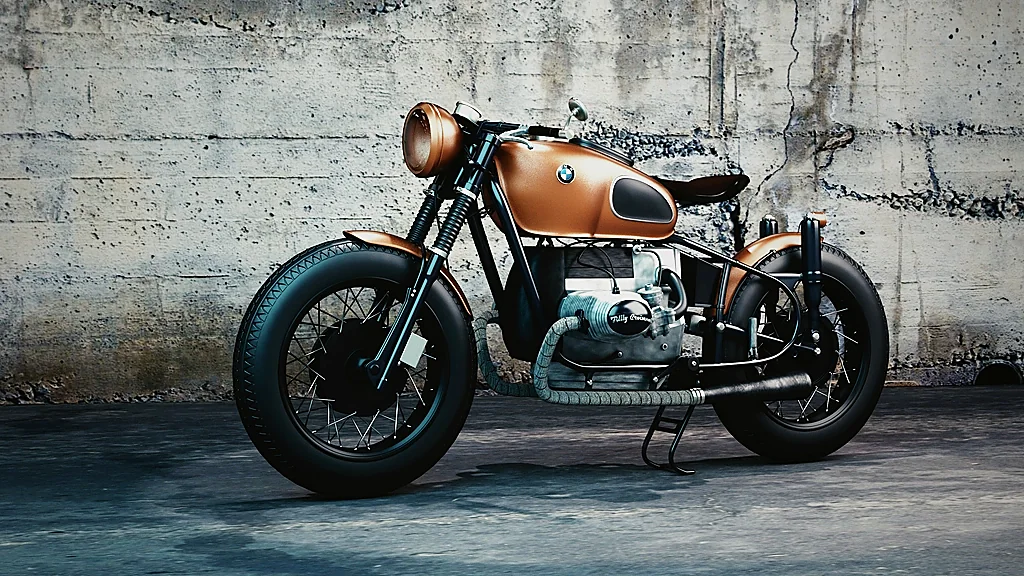
The Beat's advantage is simplicity. It is light, mechanically straightforward and cheap to keep. A custom build should preserve that. The most satisfying changes are a better seat, a brighter light, a clean colour scheme and a set of quality tyres.
At a glance
| Direction | Key changes | Best for |
|---|---|---|
| Clean daily | Single colour, deleted graphics, tidy tail | A simple, well-kept look |
| Sporty street | Small screen, sculpted seat, darker wheels, LED | A sharper city presence |
| Utility | Rack, top box, charger, handguards | Work and delivery use |
Direction one: clean daily
A single colour, deleted graphics, a black seat and a tidy tail make the Beat look more expensive than it is. Keep the standard wheels and ride height; the scooter is designed for city streets and small parking spaces.
Replace damaged panels rather than covering them with stickers. A clean, straight body is the basis of any good finish. Use a professional paint or wrap if the budget allows; a poor rattle-can job ages badly.
Direction two: sporty street
A sporty Beat uses a small screen, a sculpted seat, darker wheels and a brighter headlight. The changes are visual and ergonomic, not mechanical. A louder exhaust adds noise without meaningful performance and may fail local rules.
If you change the suspension, choose a quality replacement that preserves travel and ride height. A stiffer rear shock can improve control for a heavier rider, but a lowered scooter with a hard seat is tiring in traffic.
Direction three: utility
A rear rack, a top box, a phone mount, a USB charger and a set of handguards make the Beat a better work scooter. Delivery riders should check the load limit and the local rules for carrying cargo.
A larger box changes the weight distribution and can affect stability in crosswinds. Mount it to the frame or a proper rack, not to the plastic bodywork. Keep the rear light and indicator visible.
Bodywork, wheels and brakes
The Beat's panels are simple and relatively affordable to replace. That makes it a good canvas, but it also means cheap aftermarket panels can fit poorly. Test-fit before painting.
Wider tyres may not fit the standard rims or the bodywork. A tyre that is too wide slows steering and can rub. Check the brake type on your version; some models use a drum front brake that limits upgrades.
Electrical and engine limits
The 109.5 cc air-cooled engine is designed for economy, not high speed. Keep the cooling fins clean and the oil fresh. A custom body panel that blocks airflow is a bad trade for style.
Add accessories through a fused circuit. A phone charger and a pair of auxiliary lights can exceed the standard charging output. If the battery goes flat after a week, the electrical plan is the problem.
The workshop plan
Do the service first: oil, air filter, spark plug, valve clearance, CVT belt and brakes. Then fit the seat, lighting and rack. Paint last, once the shape is settled.
Use a workshop for electrical work, suspension and paint. A custom Beat is a modest project; the goal is a scooter that still feels new after a year, not a show piece that cannot handle a pothole.
The bottom line
The Beat rewards restraint. A clean colour, a comfortable seat, a brighter light and a proper rack are enough. Keep the engine and CVT standard and serviced, and avoid lowering or blocking airflow. The result is a scooter that still works every day.IndoBikes workshop
Checklist
- Service the engine, CVT and brakes first.
- Choose a single colour and a clean tail.
- Test-fit aftermarket panels before paint.
- Keep the standard ride height for city use.
- Fit a quality rear shock if the load is heavy.
- Mount a top box to the frame or a proper rack.
- Use a fused circuit for chargers and lights.
- Keep the cooling fins clear.
Questions
Is a Beat good for customizing?
Yes, because it is simple and parts are widely available. The limits are the small engine, the bodywork clearance and the charging output.
Can I fit a larger engine?
It is a major engineering, braking and registration change. For most riders, maintaining the standard engine and improving the chassis is the better choice.
What exhaust should I fit?
Choose one that is legal for road use and does not require cutting the bodywork. A loud exhaust adds noise and can attract enforcement without improving performance.