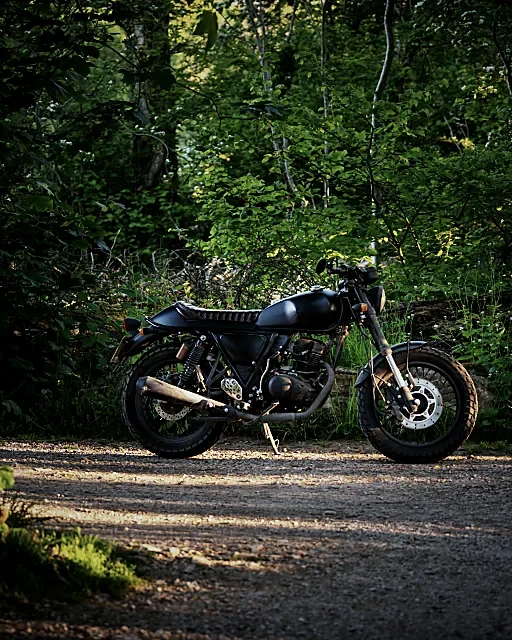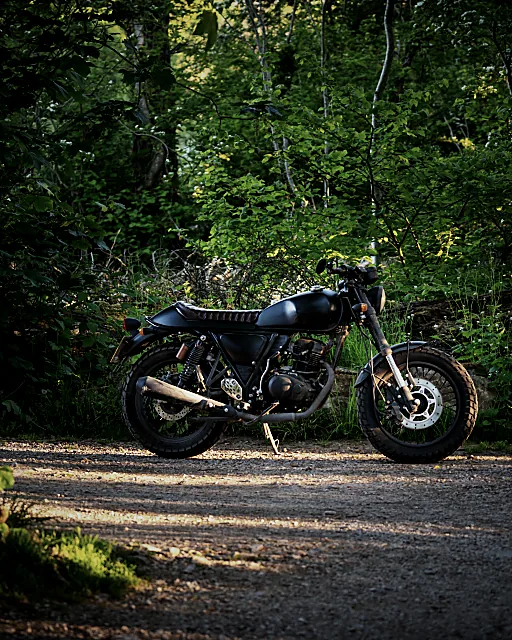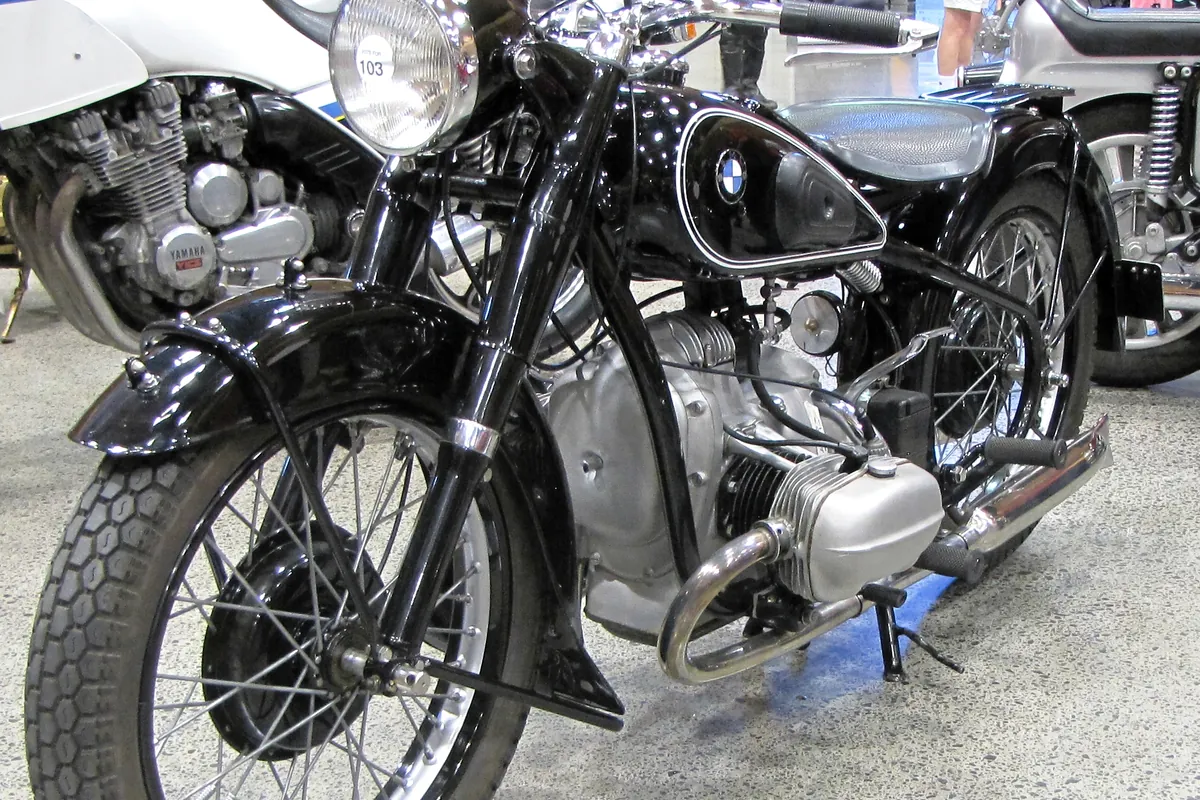
A bobber looks simple because the builder removed things. That simplicity is the result of decisions about structure, suspension, ergonomics and legality. Removing a part is easy; keeping the bike safe, comfortable and registrable is the work.
Decide what the bike is for
A bobber can be a short-distance city bike, a show piece or a long-term project. The intended use decides how much comfort and weather protection can be sacrificed. A bike with no front fender and a tiny seat is fine for a Sunday ride and miserable for a daily commute in the rainy season.
Be clear about passenger use. Removing the rear seat or pegs changes the legal classification and the insurance position in some cases. If the bike will carry a passenger, the seat, pegs and suspension must support that load.
Seat, subframe and ergonomics
The seat is the centre of a bobber's visual and practical identity. A saddle that sits directly on the frame looks right but can be painful after twenty minutes. Foam thickness, shape and cover material determine whether the bike is usable. A sprung seat adds height and movement; a rigid mount needs a better pan.
If the subframe is shortened, the remaining structure must carry the seat and the rider. Brace it, keep the mounting points strong and avoid loading the frame in bending. Footpeg position and bar reach should be decided with the seat in place, not after paint.
Rear suspension and fenders
A hardtail conversion is a major structural change with a real comfort and safety cost. A bolt-on rigid look or a shortened shock can preserve some travel while changing the stance. If you keep suspension, make sure the wheel does not hit the frame or the seat under compression.
A rear fender is not only decoration. It keeps water, stones and the seat clean, and it supports the legal requirement for coverage in many jurisdictions. A short fender can work if it is mounted rigidly and does not foul the tyre.
Wheels, brakes and lighting
Wide rear tyres and small front wheels change steering and braking. Match the tyre to the rim, keep the front contact patch adequate and inspect bearings and spokes. A bobber with a skinny front tyre and a powerful brake can lock the wheel easily in the wet.
Minimal lighting is a common failure point. The headlight must actually illuminate the road, the tail light must be visible and the brake light must work from both controls. Indicators, mirrors and a horn are legal requirements in most places. Build the bike so it can pass inspection without a temporary lash-up.
The hidden work
Removing the side panels and airbox exposes the loom, the battery and the intake. Those parts still need a home. A smaller battery, a tidy electrical box and a proper intake are part of the build, not details to solve later.
The finished bike should be easy to maintain. Leave access to the oil filler, the battery, the fuses and the chain adjusters. A beautiful bike that needs three tools and half an hour to check the oil will be neglected.
Checklist
- Decide the real use and whether a passenger is carried.
- Keep or brace the subframe before mounting the seat.
- Check wheel clearance at full suspension compression.
- Fit a rear fender that actually covers the tyre.
- Match tyre width to rim width and front brake to grip.
- Plan a home for the battery, loom and intake.
- Fit legal lights, indicators, mirrors and a horn.
- Leave access to oil, fuses, battery and chain adjusters.
Questions
Is a hardtail safe?
A properly engineered hardtail can be safe, but it is a structural modification that changes load paths and comfort. It needs competent fabrication and a clear understanding of the loss of rear travel. A bolt-on rigid look avoids that risk.
Can I remove the front fender?
In some jurisdictions yes, in others no. Even where it is legal, a front fender keeps debris out of the radiator and the rider's face and braces some fork designs. Check local rules and the bike's intended use.
How do I keep a bobber comfortable?
Start with the seat: shape, foam and mounting. Then check bar reach, peg position and suspension travel. Minimalism does not require discomfort; it requires choosing what to keep.