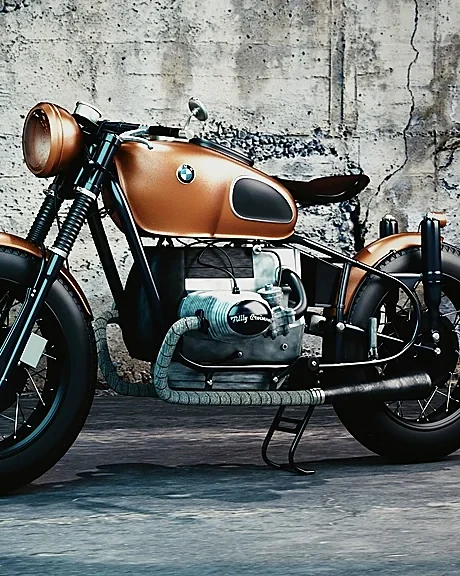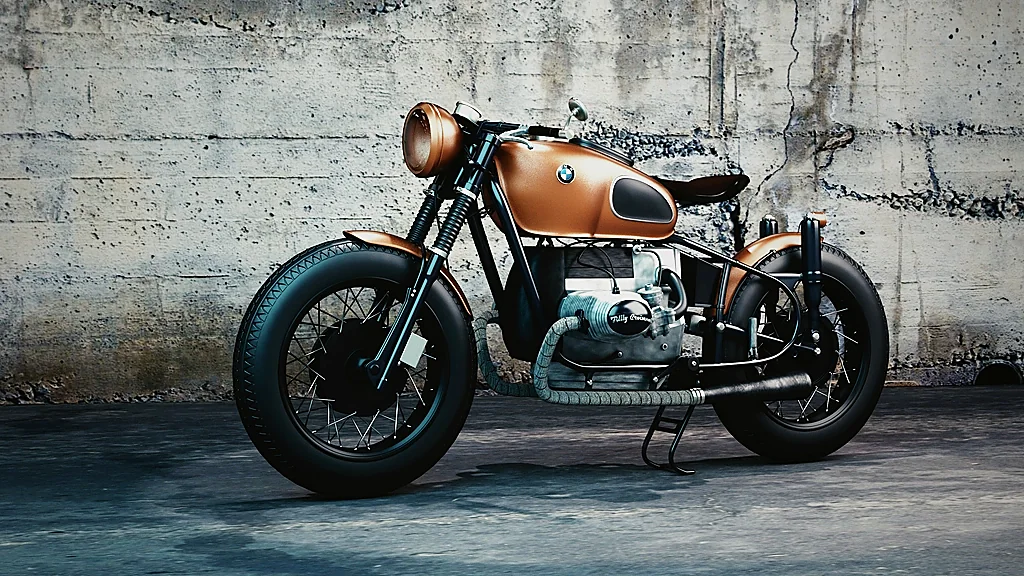
A cafe racer is not defined by clip-ons and a flat seat. It is a street motorcycle reduced to what the rider needs, with a stance that looks fast standing still. The build succeeds when the proportions, the controls and the mechanical condition agree, and when the finished bike can still be ridden on Indonesian roads.
Choose the donor for the brief
Start with a simple, well-supported frame and an engine with parts available locally. A rare or collectible machine makes a poor first project: every missing part becomes a search, and every modification reduces its value. A common commuter or a damaged but straight naked bike is usually the better starting point.
Check the paperwork before you cut anything. The frame and engine numbers must match the documents, and the bike must be legally transferable. A cheap donor with unclear registration is not cheap once the build cannot be registered or sold.
Proportions: tank, seat and subframe
The visual line runs from the bottom of the tank to the top of the seat. A long, flat seat and a tank that sits slightly nose-down create the classic stance. The subframe should support the seat and the rider without unsupported overhangs, and the seat height should leave room for the rider's knees and the footpegs.
Cutting a frame is a structural decision, not a styling one. Remove only what is unnecessary, brace what remains, and keep the suspension mounts and steering head intact. If the subframe is shortened, the seat pan needs a real mounting system, not zip ties and foam.
Brakes, suspension and wheels
The original brakes may look period-correct and still be inadequate. A rebuilt front caliper, a modern master cylinder, fresh lines and good pads matter more than a bigger disc. Match the brake upgrade to the tyre and the bike's weight; a powerful brake on a narrow, hard tyre is not progress.
Rebuild the forks with the correct springs and oil, and fit shocks that suit the rider and the load. Lowering the front and rear changes steering geometry, so make the change in small steps and test it. Wheels and tyres should be chosen for the riding you actually do, not for a photograph.
Wiring, lighting and finish
A custom loom should be planned on paper: battery, charging, ignition, lights, switches and any accessories. Use proper connectors, fuses and a relay for the headlight. A small lithium battery needs a charging system that is compatible with it, and a bike with no kickstart needs a reliable starter circuit.
Paint and powdercoat are the last steps, after the mock-up and the mechanical work. Assemble the bike completely, check clearances, then finish the parts. A road test in traffic, at night and in rain will find the problems that a workshop photograph hides.
What the build should not do
A cafe racer that cannot turn, stop or carry a passenger safely is a sculpture. Avoid extreme lowering, rock-hard suspension, missing fenders, open exhausts and a seat that forces the rider onto the tank. These choices may look right in a static shot and fail on a speed bump or a wet road.
Keep the controls reachable and the steering lock usable. In Indonesian traffic, a tight turning circle and a visible brake light are not compromises; they are part of making the bike work. Build for the road, then style the result.
Checklist
- Confirm the frame and engine numbers match the documents.
- Mock up the tank, seat and bars before cutting or painting.
- Rebuild the brakes with new fluid, lines and pads.
- Service the forks and fit shocks matched to the rider's weight.
- Check tyre clearance and choose a compound for real roads.
- Plan the loom with fuses, relays and a charging check.
- Fit lights, mirrors and a working brake light.
- Road test in traffic, at night and in rain before final paint.
Questions
Do I need clip-ons for a cafe racer?
No. Clip-ons are one style choice. A low flat bar or a superbike bar can give the same visual line with better control and less strain in traffic. The rider triangle matters more than the label.
Can I build a cafe racer from a scooter?
A scooter has a different frame and drivetrain layout, so the classic cafe racer recipe does not transfer cleanly. A small-capacity motorcycle with a conventional frame is a better donor.
How much should I budget?
There is no honest fixed figure. Cost depends on the donor, how much is worn, who does the fabrication and how much you can do yourself. Ask for an itemised estimate and keep a contingency for hidden damage; see the cost guide for the categories.