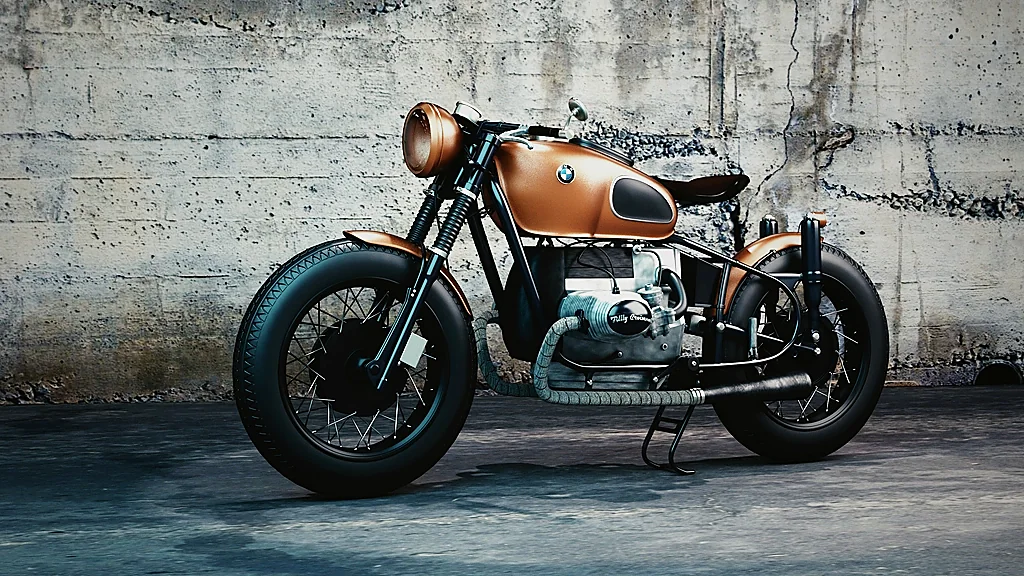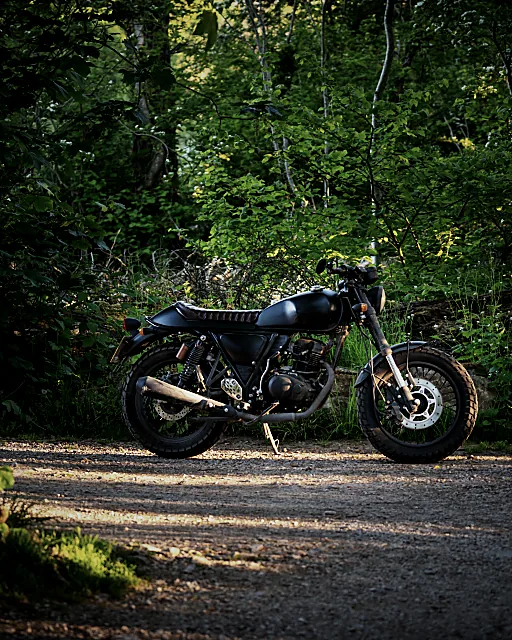
The most expensive project bikes are the ones that were dismantled before the goal was clear. A running, complete donor is easier to assess than a box of parts.
Define the goal
A daily rider, a show bike, a restoration and a custom are different projects with different budgets. Write down the intended use and the non-negotiables.
A bike that must be reliable in traffic is a different brief from a bike that must look right at a show.
Assess the donor
Check the frame and engine numbers, paperwork, crash damage, corrosion and completeness. A complete bike is usually cheaper than sourcing missing parts.
Do not strip a bike before photographing and recording it. The evidence is valuable.
Budget and schedule
Parts, labour, paint, machining and consumables add up. Add a contingency for hidden damage. A project that runs out of money becomes a stalled project.
Decide what you will do yourself and what needs a specialist.
Plan the order
Mechanical work first, then electrical, bodywork and paint. A beautiful paint job on a worn engine is a waste.
Label and photograph every assembly. Store parts dry and organised.
Checklist
- Intended use and non-negotiables.
- Donor completeness and paperwork.
- Frame, engine and crash damage.
- Budget and contingency.
- Storage and labelling.
- Order of work.
- Specialist tasks.
Questions
Should I buy a running bike or a project?
A running, complete bike is usually a better starting point. A cheap project with missing parts can cost more.
How much should I budget?
Price the visible work, then add a contingency. Restoration and custom work rarely come in under the first estimate.
Can I restore without paperwork?
You can restore the machine, but paperwork is a separate problem. Confirm the registration and import status before spending.