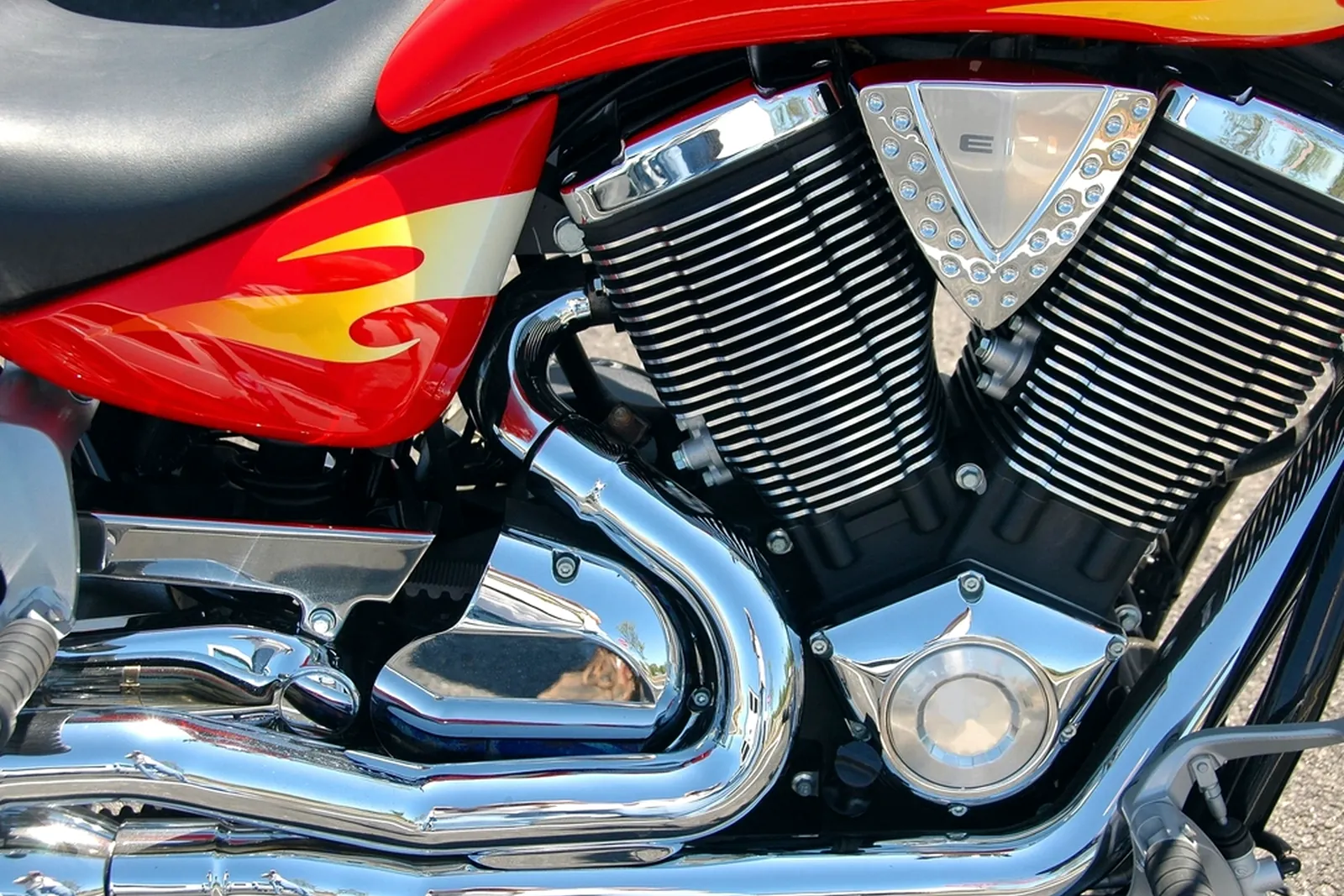
The Kawasaki Ninja ZX-25R is unusual in the small-capacity class: it uses a 249.8 cc liquid-cooled inline-four engine. That layout gives it a different character from the singles and twins that dominate the 250 class, with a smooth, high-revving power delivery.
The four-cylinder engine is more complex than a single. It has more valves, more spark plugs, more coolant passages and more to maintain. It is not a beginner's bargain machine; it is a specialist small sport bike that needs disciplined servicing.
At a glance
- Engine layout
- 249.8 cc liquid-cooled DOHC inline four
- Fuel system
- Fuel injection
- Transmission
- Six-speed manual
- Final drive
- Chain
- Cooling
- Liquid
- Brakes
- Disc front and rear; ABS on some variants
Engine and fuel system
The inline-four is tuned to rev. It is smooth at low speed and comes alive in the upper range. That character suits a sport bike and makes the ZX-25R feel more exotic than its capacity suggests. It also means the engine is sensitive to valve clearance, oil quality and coolant condition.
Four cylinders produce more heat than a single, and the fairing reduces airflow. Keep the radiator clean, check the coolant cold and ensure the fan works. A temperature warning is a stop signal. Oil changes are not a place to economise. Electronic fuel injection meters fuel for all four cylinders; a weak battery, a restricted filter or a dirty injector affects the whole engine rather than one cylinder.
Transmission and final drive
The six-speed gearbox and chain final drive are conventional. Chain maintenance is important because the engine's power is concentrated in a narrow rev band; a worn chain makes smooth throttle application harder.
The chassis is built for sport riding. The suspension is firm and the brakes are strong when maintained. Tyre choice and pressure have a large effect on confidence. On broken roads the ride is demanding, and the riding position is committed.
Advantages and disadvantages
Advantages
- Four-cylinder engine with a distinctive character.
- Strong top-end performance for the class.
- Sporty chassis and brakes.
- Exotic engineering at a small capacity.
- Strong enthusiast and workshop support.
Disadvantages
- More maintenance points than a single or twin.
- Committed riding position.
- Firm suspension on poor roads.
- Higher running and service costs.
Maintenance recommendations
The list below is a working routine, not a substitute for the service schedule. Intervals depend on the model year, the version and how the machine is used.
- Change engine oil on schedule; use the specified grade.
- Check coolant cold and keep the radiator clear.
- Inspect valve clearance at the specified interval.
- Service the spark plugs and air filter.
- Maintain the chain and inspect sprockets.
- Check brake pads, fluid and tyre pressures.
- Inspect fairing mounts, hoses and fasteners for heat or vibration damage.
Common problems, where supported
These are the faults that repeat on this layout or class of machine. They are diagnostic starting points, not a prediction that every example will fail.
Valve clearance drift
A four-cylinder engine has more valves and tighter service requirements. Neglected clearance can cause hard starting, rough running and expensive head work.
Overheating
A blocked radiator, a fan fault or low coolant can raise temperature quickly. Stop and let the engine cool before checking anything.
Chain wear
A worn chain affects throttle smoothness and can damage sprockets. Measure elongation and replace chain and sprockets as a set.
Customization
Changes should preserve the machine's geometry, load capacity and charging margin. Reversible work keeps the resale value and makes the next service easier.
- A slip-on exhaust is the simplest change; a full system needs a fuelling check.
- Rearsets and a seat change can improve the riding position.
- Suspension work should match the rider's weight and the road.
- Brake upgrades should be matched to tyre grip and fork support.
Where the workshop fits
These are the services most often relevant to a kawasaki ninja zx-25r. Start with the symptom or the service interval, then choose the job.