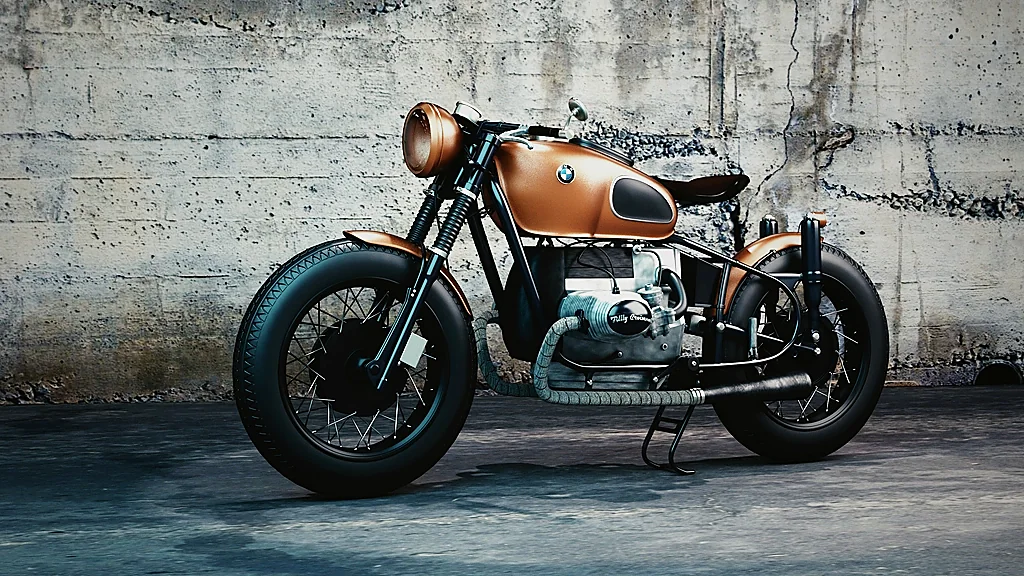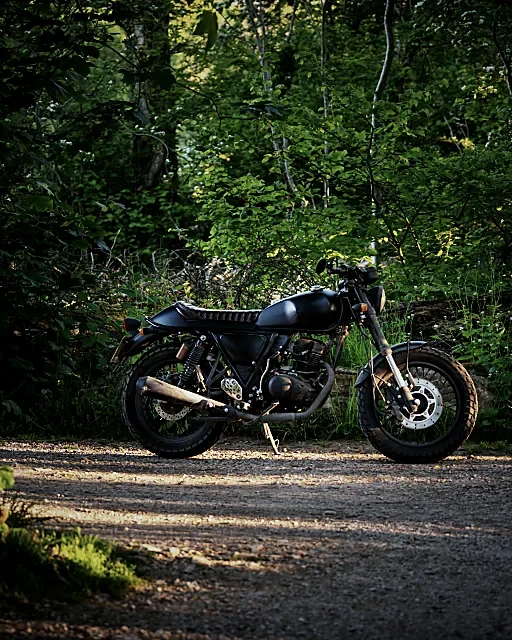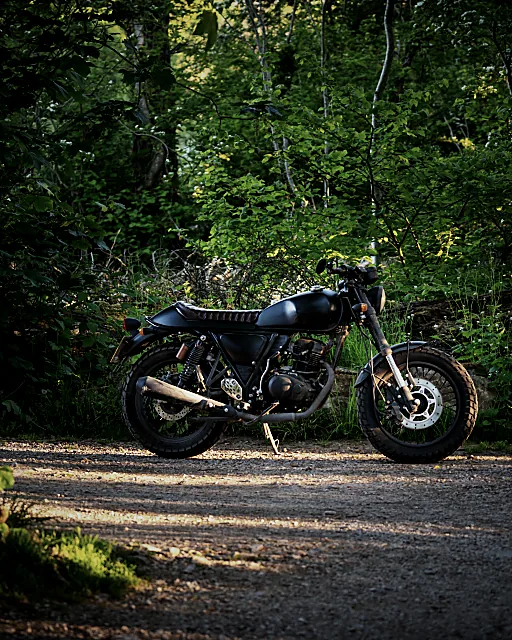
The W175 is an air-cooled single with a classic layout, a steel frame and simple suspension. That makes it easy to modify and easy to live with. It also means the brakes, suspension and electrical system are modest, so a build should add lightness and usability rather than pretending the bike is something faster.
The platform and its limits
The W175's simple engine and frame reward careful maintenance and modest modifications. It is not a high-performance platform, and a big-bore kit or a race exhaust will not change the chassis or the brakes. Decide whether the goal is a stylish commuter, a light tourer or a show bike.
Check the documents and the frame before cutting. A W175 that has been crashed or poorly repaired is a bad base, however cheap it looks. Inspect the steering head, the swingarm pivot and the engine mounts.
Stance, seat and subframe
The W175 already sits at a classic height. Lowering the rear or fitting a thinner seat can change the line, but it also reduces comfort and travel. A flatter seat and a shorter tail can make the bike look lighter without destroying the ride.
If you cut the subframe, brace the remaining structure and keep the seat mounts strong. Plan the rear light, plate and indicators before cutting. A clean tail is not worth a cracked frame or an illegal lighting setup.
Exhaust, intake and carburation
The W175 uses a simple fuel system, so exhaust and intake changes have a direct effect on mixture. A free-flowing exhaust without a jetting or fuelling correction can run lean, overheat and lose driveability. Make one change at a time and read the plug.
A well-made exhaust can save weight and improve the sound, but it must clear the rider's leg, the side panel and the luggage. Support the muffler properly and use a gasket. Check local noise rules before choosing a race-style system.
Bars, controls and ergonomics
A wide or low bar changes the riding position and the leverage. Check cable lengths, brake line routing and clearance at full lock. A bar that is too wide can hit the tank or make traffic filtering difficult; a bar that is too low can put weight on the wrists.
Repositioned pegs and a different seat can make the bike more comfortable for a taller rider. Test the changes with the bike on a stand and then on a quiet road. A classic bike should still be usable in traffic and on a long ride.
Wheels, brakes and finish
The standard wheels and brakes suit the bike's speed. If you change tyre sizes, keep them proportional and check clearance. A wider tyre adds weight and can slow steering; a larger front brake needs a fork and tyre that can use it.
Paint and powdercoat are the final steps. Assemble the bike, check the clearances and test it before spending on a finish. A simple, well-prepared colour and a clean frame look better than a complex scheme that hides poor workmanship.
Checklist
- Inspect the frame, engine mounts and documents before buying.
- Decide the build goal before choosing parts.
- Keep the seat pan and subframe strong if you shorten the tail.
- Correct jetting or fuelling after an exhaust or intake change.
- Check bar, cable and brake-line clearance at full lock.
- Keep wheel and tyre sizes proportional to the bike.
- Service the brakes, suspension and tyres before cosmetics.
- Assemble and road test before the final paint.
Questions
Is the W175 a good custom base?
Yes, if you want a simple retro bike. The air-cooled single and steel frame are easy to work on, but the performance and braking limits mean the build should focus on style, comfort and reliability.
Can I fit a bigger carburettor?
It is possible, but it needs matching intake, jetting and exhaust work. A bigger carburettor on a standard engine can lose low-speed driveability. Measure the result rather than assuming more flow is better.
How do I keep the W175 reliable after a custom build?
Keep the standard service schedule, use the specified oil and check the mixture after any intake or exhaust change. Do not remove the air filter or the crankcase breather for looks.