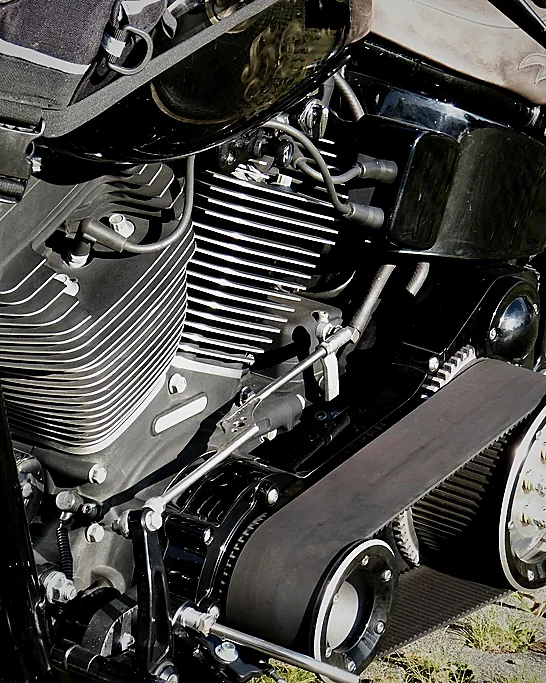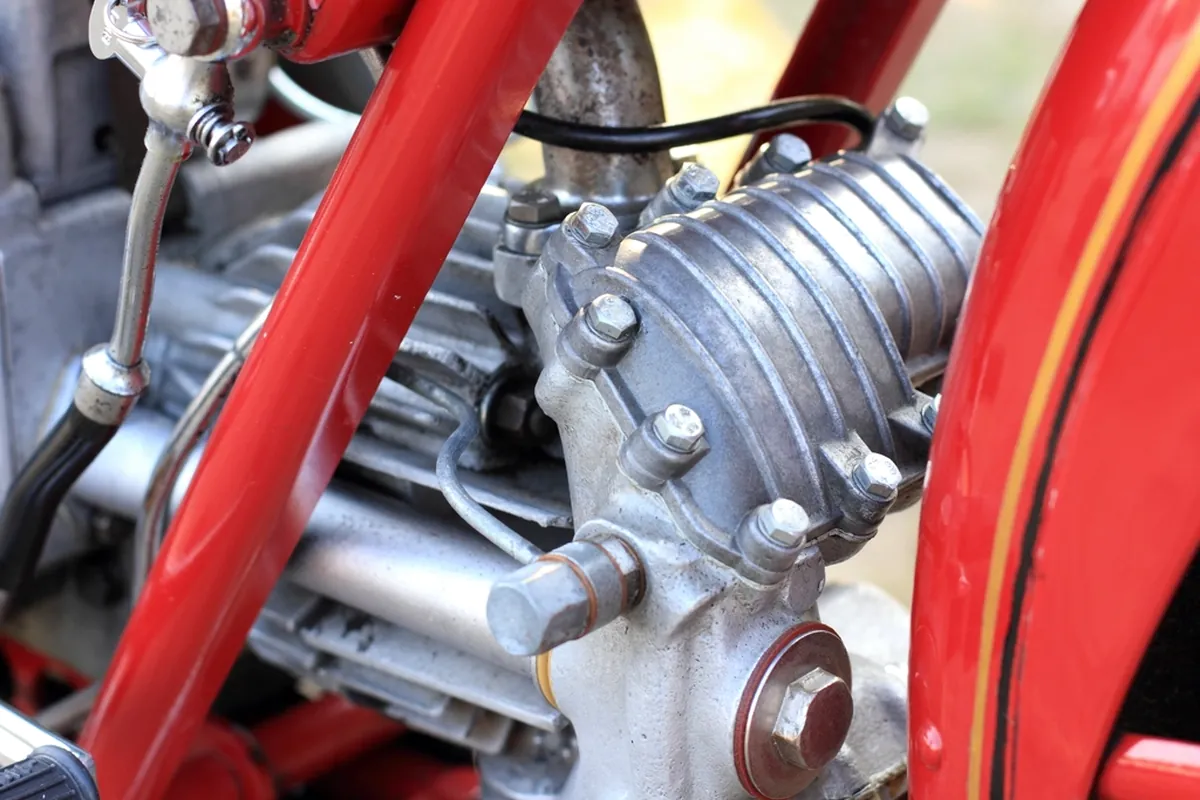
An air-cooled engine sheds heat through fins and airflow. A liquid-cooled engine uses coolant, a radiator and a pump to move heat away more consistently. In Indonesian traffic, both can work; the difference is how they behave when the bike is stationary, how much maintenance they need and what happens when something is neglected.
System comparison
| Factor | Air-cooled | Liquid-cooled |
|---|---|---|
| Parts | Fins, airflow, sometimes an oil cooler | Radiator, coolant, water pump, hoses, fan, thermostat |
| Traffic behaviour | Relies on airflow; can heat soak at a long idle | Fan maintains airflow; more stable temperature |
| Maintenance | Keep fins clean; check oil | Coolant level and condition, hose condition, fan operation |
| Failure mode | Gradual overheating, warped head if ignored | Leak, failed fan, low coolant, sudden overheat |
| Weight and cost | Lighter and cheaper to build | More parts and more complex servicing |
| Typical use | Small commuter engines | Larger or higher-output engines |
How each system moves heat
Air cooling relies on surface area and airflow. The fins on the cylinder and head multiply the area exposed to moving air. At speed, that works well. At a long idle in hot traffic, airflow drops and the engine relies on heat soak and the oil to manage temperature.
Liquid cooling circulates coolant through passages around the hot parts, then through a radiator where airflow removes the heat. A fan keeps air moving when the bike is stationary. The result is a more stable temperature across traffic, speed and load.
What Indonesian traffic does to each
A small air-cooled commuter is designed for exactly this market: short trips, moderate speeds and frequent stops. It copes if the fins are clean and the engine is not held at walking pace for an hour in first gear. The risk is a blocked or mud-covered engine and a rider who ignores a rising temperature.
A liquid-cooled engine handles a hot queue better because the fan maintains airflow. But the fan, the coolant and the hoses are additional failure points. A leaking hose or a failed fan can overheat the engine faster than an air-cooled engine would, because the system depends on the coolant staying inside.
Maintenance differences
Air cooling asks for clean fins, correct oil and a healthy state of tune. Dust and mud insulate the engine, so wash the fins carefully and avoid bending them. Check the oil level regularly; oil carries heat away from internal parts as well as lubricating them.
Liquid cooling adds a coolant check, a radiator that must be kept clean and unbent, a fan that must spin, and hoses that must not crack. Coolant should be changed at the interval in the manual, with the correct type. Do not top up with water as a long-term fix.
Warning signs
An air-cooled engine that is overheating may feel down on power, ping under load or smell hot. There is often no gauge, so the rider has to notice the symptoms. Stop and let it cool rather than adding throttle.
A liquid-cooled engine usually has a temperature gauge or warning light. A rising gauge, a fan that never runs, a sweet smell or a coolant leak are all reasons to stop. Do not open a hot radiator cap; the system is pressurised.
Which is better for your route
For a short city commute, an air-cooled 110-125 is simple, light and cheap to maintain. For a longer commute, a passenger, hills or a larger engine, liquid cooling gives more reserve and a more stable temperature.
Neither system is a substitute for maintenance. A neglected liquid-cooled bike can overheat more suddenly than a neglected air-cooled one, and an air-cooled bike can cook its head if the fins are blocked and the rider ignores the signs.
What to check on a used bike
On an air-cooled bike, look for clean fins, no oil weeping at the head gasket and no sign of overheating such as discoloured metal or a warped exhaust flange. On a liquid-cooled bike, check the coolant level and colour, look for crust around the radiator and hoses, and confirm the fan runs when the engine is hot.
A used bike with a coolant leak, a fan that does not work or oil in the coolant is a repair bill. Price it before you negotiate, or walk away.
The bottom line
Air cooling for simple short-trip commuters; liquid cooling for longer, hotter or heavier use. Both need clean cooling surfaces and the right fluids — neglect is the real failure mode.IndoBikes workshop
Checklist
- Engine fins or radiator are clean and undamaged
- Coolant level and condition are correct on a liquid-cooled bike
- The fan runs when the engine is hot
- No oil weeping at the head gasket
- No crust or leaks around hoses and the radiator
- The temperature warning works if fitted
- The oil is at the correct level and changed on schedule
- You know the warning signs for the system
Questions
Is air cooling enough in Indonesian traffic?
For a small commuter on normal trips, yes, provided the fins are clean and the bike is maintained. Long idles in extreme heat are the stress case.
Does liquid cooling need more maintenance?
It adds coolant, hoses and a fan to check, but it is not high-maintenance. The risk is neglect: a failed fan or a leak can cause a rapid overheat.
Can I ride a liquid-cooled bike with a leaking radiator?
No. Stop and repair it. Losing coolant can overheat and damage the engine quickly, and a pressurised system can spray hot coolant.
Why does my air-cooled engine smell hot?
It may be running hot from a lean mixture, blocked fins, low oil or a long idle. Stop, let it cool and have it checked rather than continuing.