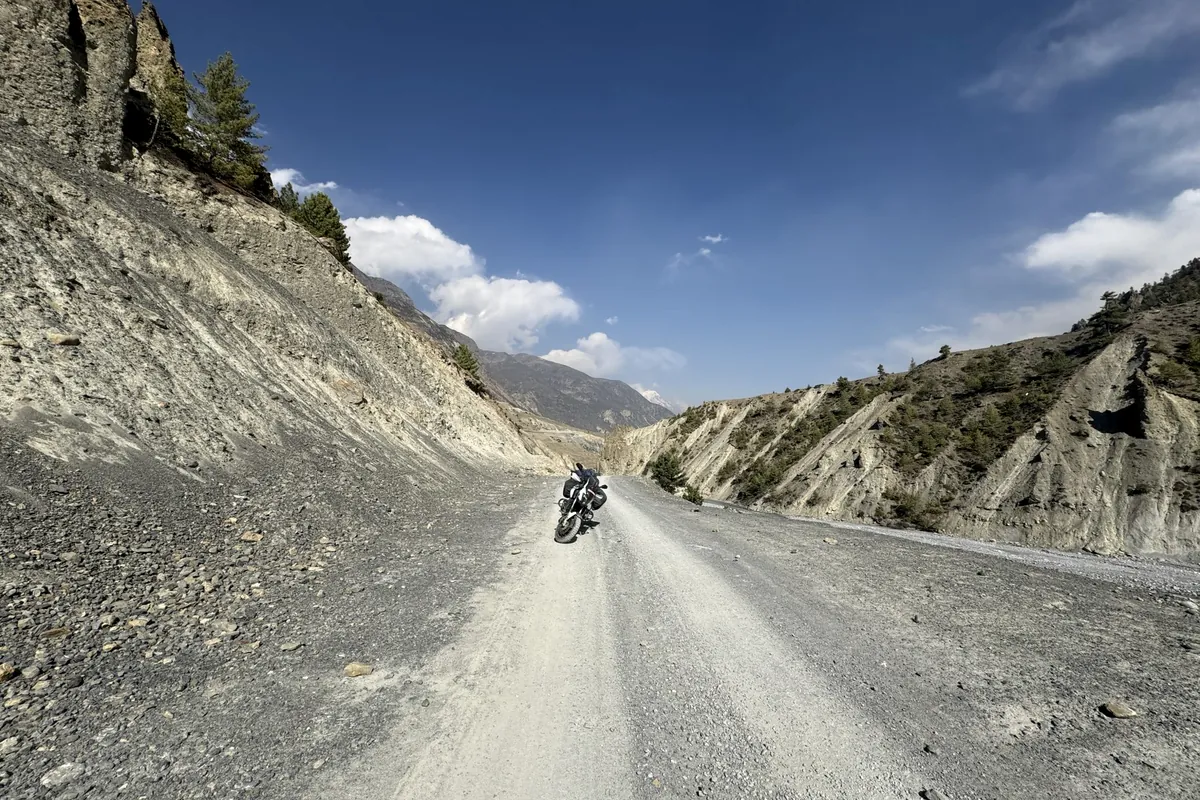
Mountain roads punish the parts of a motorcycle that city riding never stresses. A descent heats the brakes, a climb heats the engine and a series of tight corners exposes weak tyres and tired suspension. The right machine has predictable engine braking, a cooling system that copes with low-speed climbs and brakes that do not fade after the third hairpin.
Climb and descent priorities
| Section | What the bike needs | What to avoid |
|---|---|---|
| Long climb in low gear | Cooling capacity, clean radiator or fins, smooth fuelling | A lean-running engine or a blocked cooling system |
| Steep descent | Strong engine braking, progressive front brake | A slipping CVT or a weak rear brake |
| Tight hairpins | Light weight, good steering lock, predictable throttle | A heavy bike with a snatchy throttle |
| Wet mountain surface | Tread, ABS if available, smooth brake modulation | Hard, old tyres and a grabby front brake |
Engine braking is a mountain skill and a bike trait
A manual bike lets you choose a gear and let the engine hold the speed on a descent. That reduces reliance on the brakes and keeps them cooler for the corner that needs them. A CVT scooter has some engine braking, but it is less controllable and can feel like it is freewheeling on a steep grade.
If you ride a scooter in the mountains, brake earlier and lighter, and use both brakes together. Do not ride the front brake continuously; give it short breaks to cool. If the lever feels spongy or the brake smells hot, stop and let it cool.
Cooling on a slow climb
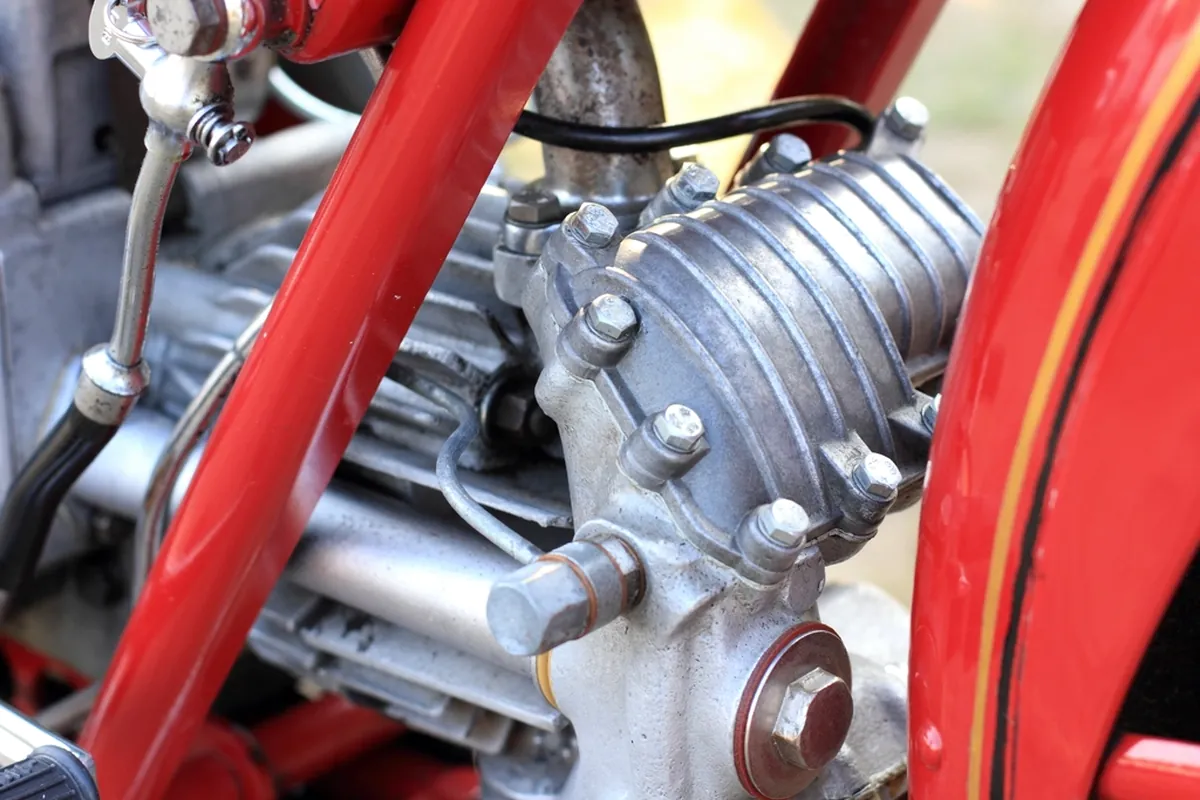
A long climb in low gear with little airflow is harder on the engine than a fast highway run. A liquid-cooled machine has more reserve, but only if the radiator is clean and the fan works. An air-cooled engine relies on fins and airflow, so keep the fins free of mud and do not sit in first gear at walking pace for long periods.
Watch the temperature gauge if the bike has one. If it does not, listen for pinging, feel for a loss of power and stop before the engine cooks. A five-minute stop in the shade is cheaper than a top-end rebuild.
Gearing and load
A bike that is geared for flat roads will feel busy on a steep climb with a passenger. You cannot change the gearbox easily, but you can choose a model with enough low-end torque and a sensible final-drive ratio. A smaller rear sprocket is not an upgrade if it makes the climbs harder.
Keep the load low and within the limit. A passenger and luggage on a small scooter change the balance on a descent and lengthen the braking distance. If the route is steep and wet, leave the extra luggage at home.
Brakes, tyres and suspension
Mountain descents generate heat, and heat is what causes brake fade. Fresh fluid, good pads and a clean caliper are more valuable than a larger disc. If the bike has drum brakes, adjust them and use the rear brake deliberately rather than treating it as an afterthought.
Tyres need tread and the correct pressure. A hard, worn tyre loses grip on a damp shaded corner long before it loses grip in the sun. Suspension that is too soft dives under braking and makes the front feel vague; set the preload for the load you carry.
Rider technique matters more than the machine
Look through the corner, brake before the turn and use a gear that keeps the engine in its useful range. Do not coast with the clutch pulled in on a descent. Leave space for a truck that is wider than its lane and for a rider who cuts the corner.
If you are new to mountain roads, ride with someone experienced and keep the pace below your comfort level. The fastest way down is the one that keeps the brakes and your attention intact.
The bottom line
Choose a light machine with strong engine braking, reliable cooling and brakes that stay consistent when hot. A well-maintained 150 can be safer in the mountains than a heavy bike with tired brakes.IndoBikes workshop
Checklist
- The cooling fins or radiator are clean and the fan works
- Brake fluid is fresh and the lever does not feel spongy
- The engine braking in second gear is predictable
- Tyres have tread and correct pressure for the load
- Suspension preload is set for rider and luggage
- The bike can hold a steady low gear on a climb without overheating
- You know where the brakes can cool on the descent
- A basic tool kit and water are on board
Questions
Is a scooter good for mountain roads?
A scooter can handle paved mountain roads, but engine braking is less controllable and small wheels are more affected by broken surfaces. Brake earlier and avoid riding the brakes continuously.
How do I prevent brake fade on a descent?
Use engine braking in a low gear, apply the brakes in short firm applications and let them cool. Fresh fluid and good pads are essential; a spongy lever means stop.
Do I need a liquid-cooled bike for mountain climbs?
Not necessarily. A clean air-cooled engine can cope if it keeps moving. Liquid cooling adds reserve in slow, hot climbs but needs a working fan and clean radiator.
What tyre pressure should I use in the mountains?
The pressure recommended in the manual for your load. Lower pressure can improve grip on loose surfaces but risks overheating and rim damage on the road; do not guess.