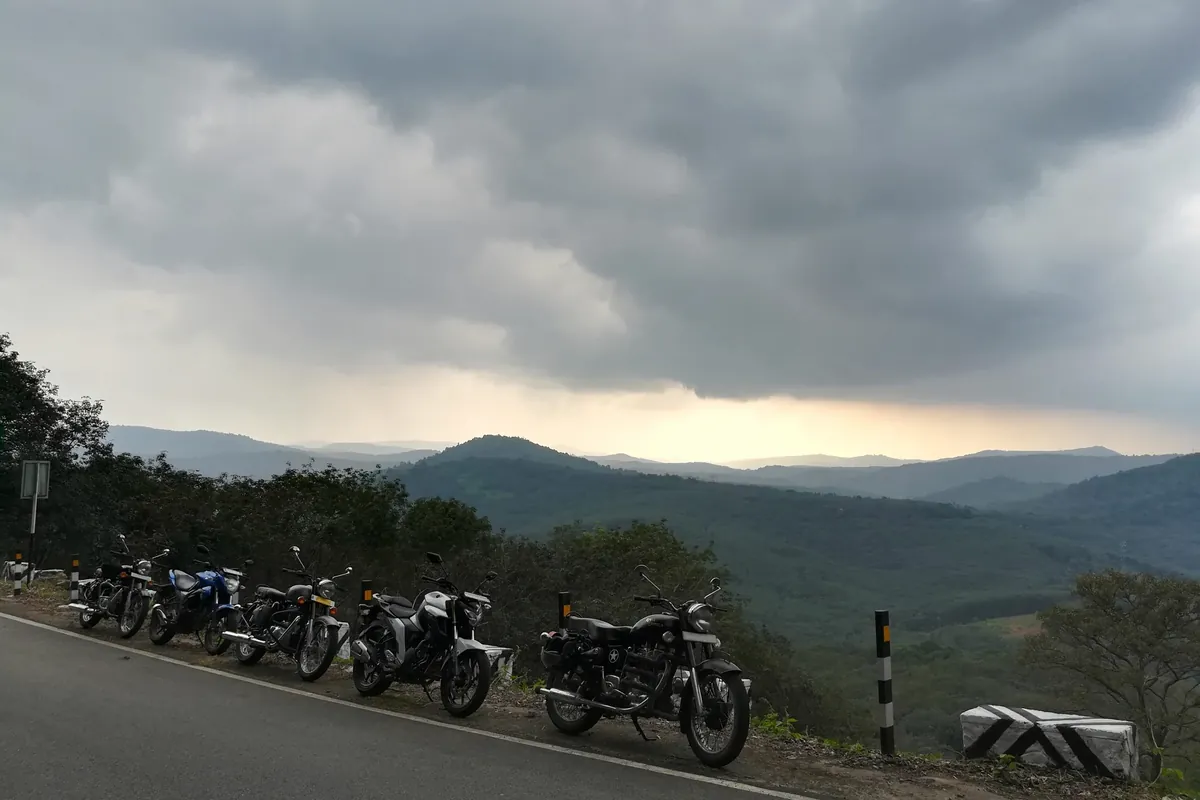
The best first motorcycle is not the cheapest one you can find. It is the one you can hold at walking pace in traffic, stop safely on a wet road and maintain through the first year without dreading the bill. In Indonesia that usually means a light 110-150 cc scooter or underbone, but the right shortlist still depends on your height, your daily route and whether you will carry a passenger.
Beginner decision table
| Choice | Why it works for a new rider | What you accept |
|---|---|---|
| Automatic scooter, 110-125 cc | No clutch, low seat, storage under the seat, easy in stop-go traffic | Small wheels are less composed on broken surfaces |
| Underbone, 110-125 cc | Light, narrow, cheap consumables, manual gears teach throttle control | Less weather protection and little built-in storage |
| Naked 150, manual | Stable at speed, proper brakes and tyres, upright posture | Taller seat and more temptation to ride faster than experience allows |
| Dual-sport 150 | Long suspension, ground clearance, confident on poor roads | Higher seat height and more maintenance points |
What makes a first bike manageable
Control at low speed is the skill new riders need most, and it is decided by weight, seat height and steering lock more than by engine size. A machine you can push out of a parking space, hold on a slope and place precisely between two cars will teach you faster than a heavier bike you are afraid of dropping.
The second factor is the brake and tyre package. A front disc, a working rear brake and tyres with tread are not accessories; they are the difference between a scare and a crash in the rain. If a used bike has cheap, hardened tyres or a spongy lever, budget for replacement before you ride it home.
Four shapes worth shortlisting
Automatic scooters are the default for a reason: no clutch, a low centre of gravity and a step-through frame that is forgiving when balance is not yet automatic. A 110-125 cc scooter is enough for city speeds and carries a helmet or a small shop under the seat.
Underbones sit between scooters and motorcycles. They are light, narrow and mechanically simple, and a manual gearbox forces you to learn throttle and clutch coordination. That skill transfers to every other motorcycle you ride later.
A naked 150 or a dual-sport 150 makes sense if your route includes faster arterial roads or broken surfaces, and if you are tall enough to flat-foot it. The larger wheels and longer suspension add stability, but the extra height and weight can undo the confidence a smaller bike would give you.
Why 110-150 cc is usually enough
A beginner does not need more power; they need a predictable response. Small engines in this class are forgiving when you open the throttle too early or grab the brake in a corner. They also return sensible fuel consumption and use tyres, chains and belts that are stocked everywhere.
Engine size is not the same as road presence. A light bike with good lights, a bright jacket and correct road position is easier to see than a heavy bike ridden hesitantly. Buy for control first and speed later, when your skills and your route justify it.
New or used for a first bike
A used bike costs less to buy and less to insure against a first-year drop, and it teaches you to check oil, tyres and brakes instead of relying on a dealer. The catch is condition: a neglected example can cost more than the difference to a new one within a few months.
If you buy used, insist on a cold start, a test ride and a look at the documents. Check the frame and steering head for crash damage, the fork seals for leaks and the tyres for age cracks. A pre-purchase inspection is cheaper than a replacement engine, and it gives you a list to negotiate with.
The costs that surprise new riders
The purchase price is only the entry ticket. Add a certified helmet, gloves, a rain jacket and shoes that cover the ankle. Add annual tax and registration, insurance if you take it, parking charges at work or campus, and the consumables that a used bike will need sooner than you expect: tyres, brake pads, a battery, a belt or a chain.
Then add the learning tax. New riders drop bikes in car parks, scrape mirrors and wear out clutches. A simple, common machine keeps those mistakes cheap. A rare or heavily modified bike turns a small fall into a search for parts.
The bottom line
Start with a light machine you can flat-foot and stop confidently, preferably a common 110-125 cc scooter or underbone. Upgrade when your route, your skills and your budget ask for it, not because a showroom poster does.IndoBikes workshop
Checklist
- You can put both feet down, or one foot flat with the other on the peg
- The bike moves off smoothly without stalling or lurching
- Front and rear brakes work without noise, vibration or a spongy lever
- Tyres have tread, no cracks and the pressures recommended in the manual
- Lights, horn, indicators and mirrors are intact and adjusted
- The cold engine starts without throttle tricks or long cranking
- Documents match the frame and engine numbers
- A helmet, gloves and rain gear are in the budget before the bike
Questions
Is a 150 cc motorcycle too much for a beginner?
Not necessarily, but it is only sensible if you can flat-foot it and the route includes roads where the extra stability helps. A lighter 110-125 cc machine is easier to learn on in dense traffic.
Should a first bike be new or used?
Used is usually better value for a first bike because a small drop costs less. Choose a well-kept, common model and budget for an inspection, tyres and a service before you rely on it.
Do I need ABS on a first motorcycle?
ABS is valuable in the rain, but it is not a substitute for braking practice. If the budget allows, prefer a version with ABS and good tyres over a larger engine without either.
How long should I keep a first bike?
Long enough to be bored of it. A year of regular riding teaches more than three months on a fast bike, and a common model holds enough value to make the next step affordable.
