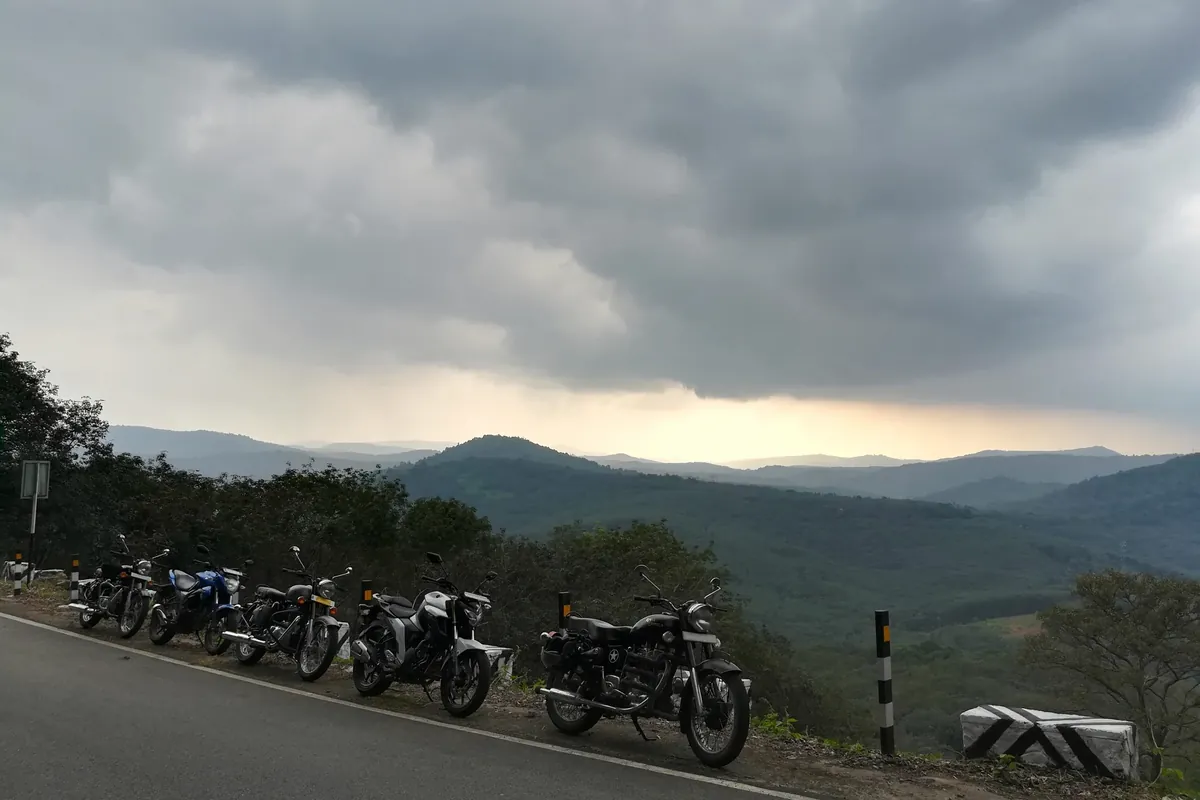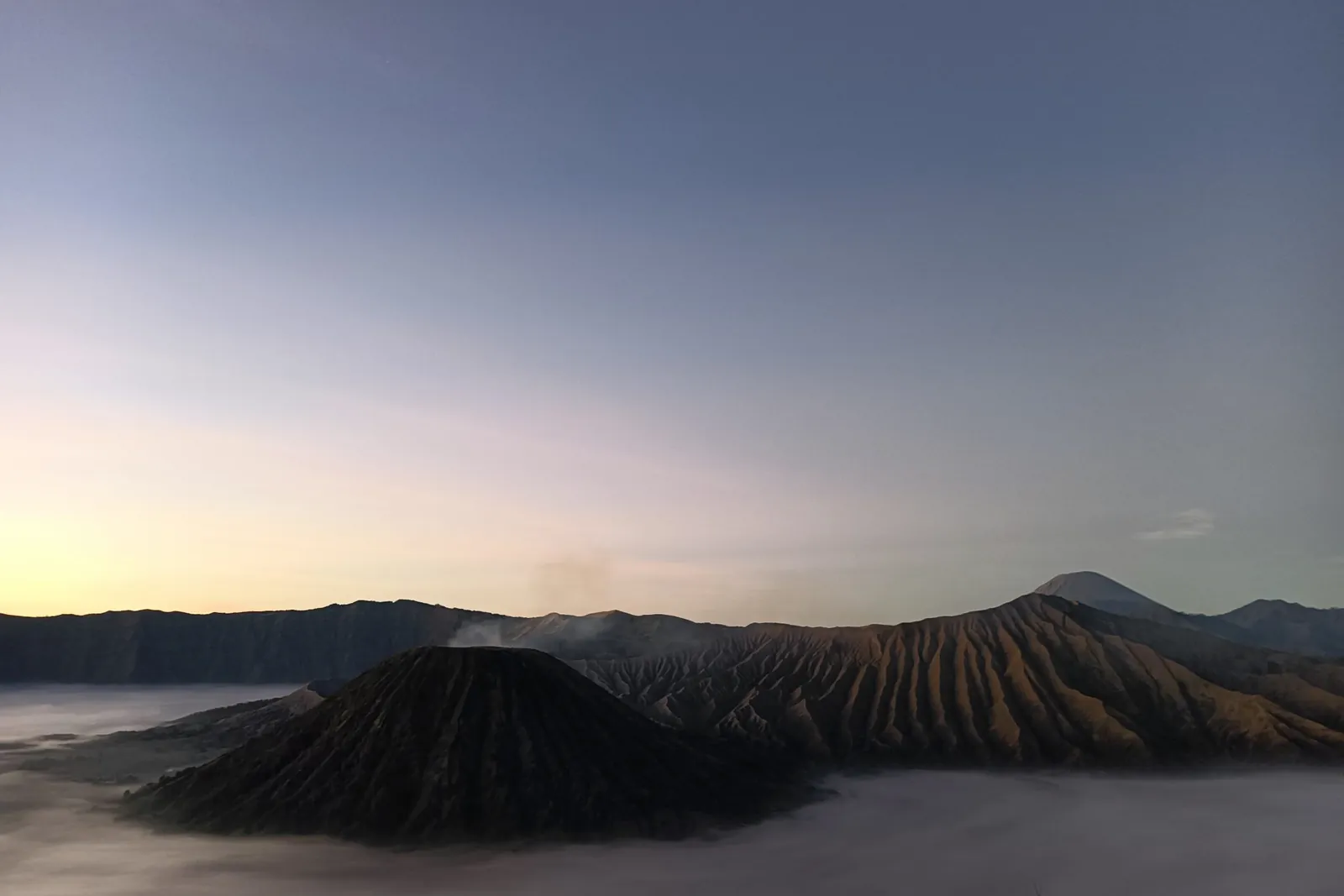
Long-distance riding in Indonesia rarely means a constant 120 km/h. It means hours in the saddle, changing surfaces, heat, rain and fuel stops spaced further apart than you expect. The right motorcycle is comfortable enough to keep you alert, reliable enough to start every morning and supported by a service network that reaches the roads you plan to use.
Touring needs by trip length
| Trip | Comfort priority | Bike priority |
|---|---|---|
| Day ride, 150-300 km | Seat and wrist position | Predictable brakes and good tyres |
| Three to five days | Wind protection, luggage, fuel range | Service access and a common tyre size |
| Weeks across islands | Seating fatigue, weather protection, load capacity | Parts availability, charging system, easy maintenance |
Distance is a comfort problem before a speed problem
After four hours, the limiting factor is rarely the engine. It is the seat, the angle of your knees, the pressure on your wrists and the noise inside the helmet. A bike that feels exciting for twenty minutes can be exhausting by lunchtime. Sit on it for an hour before you buy, or rent the same model for a day.
A relaxed, upright posture with slightly bent elbows keeps weight off the wrists and makes small corrections easier. If you have to lock your arms to reach the bars, the bike is the wrong size regardless of its reputation.
Range and where you can refuel
Plan fuel around the emptiest stretch of the route, not the average. A small tank is not a problem on Java's main corridors, but it becomes one on quieter roads in Sumatra, Sulawesi or the outer islands. Know your real consumption with luggage and a passenger, then subtract a safety margin.
Carrying extra fuel is a fire risk and a legal question in some places. A better answer is a bike with enough range for the gap, or a route that follows reliable stations. Do not rely on a station shown on an old map.
The seat and the wind
Seat shape matters more than softness. A wide, flat seat spreads pressure; a soft, narrow seat compresses after an hour. A custom seat is one of the most effective touring upgrades, but it should keep your hip angle and reach to the bars unchanged.
Wind protection is a trade. A screen reduces fatigue at speed but can buffet your helmet, fog in rain and catch crosswinds. Adjustable screens are useful; a screen that looks large in the showroom may be wrong at 80 km/h. Test before a long trip.
Luggage that does not change the handling
Keep the weight low and close to the centre of the bike. A heavy top box behind the rear axle lightens the front and makes the bike weave. Saddlebags or a tank bag distribute weight better. Whatever you choose, check that it does not cover the lights, the exhaust or the rear brake.
Load the bike before the trip and ride it. Adjust tyre pressure and suspension preload for the load, following the manual. A bike that handles well solo can feel vague with two bags and a passenger.
Service network and tyres outside Java
A common model is easier to keep moving. Consumables such as tyres, chains, belts, brake pads and filters are more likely to be in stock for a widely sold machine. An uncommon tyre size can end a trip in a town with no replacement.
Carry a basic kit: a plug or patch kit if your tyres are tubeless, a pump, a chain tool if you run a chain, cable ties, tape and a spare fuse. Know how to use them before you leave, and know which repairs are temporary.
Choosing by trip length
For day rides, almost any well-maintained 150-250 cc machine works. For multi-day trips, prioritise a comfortable seat, a screen you can live with, luggage mounts and a service network. For weeks on the road, add load capacity, charging for a phone or GPS, and a bike that is easy to work on in a small workshop.
A 250 cc single or twin is a sensible middle ground: enough reserve for overtaking with luggage, without the weight and fuel cost of a larger touring bike. A 150-160 cc scooter can tour, but it will be busier on long climbs and less comfortable with a passenger and bags.
The bottom line
Buy for the fifth hour, not the first kilometre: a seat and posture you can live with, range that fits the emptiest stretch, and a model that can be repaired where you are going. Engine size is the last question, not the first.IndoBikes workshop
Checklist
- You have sat on the bike for at least an hour, or rented the same model
- The seat supports your sit bones without pressure points
- The screen does not buffet your helmet at cruising speed
- Fuel range with luggage exceeds the longest gap on your route
- Luggage mounts do not cover lights or interfere with the rear wheel
- Tyres are a common size and in good condition
- The charging system can run a phone or GPS
- You can perform a puncture repair and a basic roadside check
Questions
Is a scooter suitable for long-distance touring?
A 150-160 cc scooter can tour on paved roads, but small wheels, limited suspension and a compact seat make long days harder. It works best with light luggage and a flexible schedule.
How much fuel range do I need?
Enough to reach the next reliable station with a margin. On busy corridors that may be modest; on quieter islands, plan around the longest gap and carry water and a plan, not loose fuel.
Should I buy a bigger bike for touring?
Only if the extra weight and cost solve a real problem, such as carrying a passenger and luggage on fast roads. A lighter 250 is often more enjoyable than a heavy tourer on Indonesian roads.
What is the most useful touring upgrade?
A seat that fits you and a screen that does not buffet. Both address fatigue directly. Luggage and electronics come after comfort and reliability.