A weekend motorcycle is a different purchase from a commuter. It can be less practical, but it should not be fragile, impossible to park or dependent on a specialist for an oil change. The best weekend bike is one that makes a two-hour ride feel worth the week, then starts without drama when the weather clears.
Decide what the weekend is for
A Sunday breakfast run, a mountain road, a dirt track or a slow ride to a coffee shop are different briefs. A sport bike is thrilling on a smooth climb and miserable in a traffic jam. A classic is charming at 60 km/h and tiring at 100. A dual-sport opens roads a road bike cannot use but asks for a taller seat.
Write down the ride you will actually do most weekends, then choose the bike that makes that ride easy. If you ride alone on sealed roads, a light naked or a 150-250 sport bike is plenty. If you ride with a passenger, revisit the two-up guide before you fall for a single-seat toy.
Second-bike logic
If you already have a commuter, the weekend bike can be less practical, but it still needs storage, insurance, tax and maintenance. Two bikes double the fixed costs and the maintenance calendar. A weekend bike that sits for weeks needs a battery tender, fresh fuel and a cover.
Do not buy a track bike for the road or a non-running project if you want to ride this month. A project is a different hobby with a different budget. Be honest about which one you want.
Fun without fragility
Light weight and good tyres make a slow bike fun; heavy fairings and rare parts make a fast bike stressful. A 150-250 cc machine with a decent chassis is enough to enjoy a mountain road without risking a licence or a rebuild.
Check the parts supply before buying a rare model. A beautiful older bike with no brake pads available locally is a display piece, not a weekend ride. Join an owners' group and ask what breaks and what it costs before you commit.
Maintenance for low mileage
Low mileage is not the same as good condition. A bike that sits develops flat spots on tyres, a sulfated battery, stale fuel and seized brake pistons. Change the fluids on time even if the odometer barely moves, and ride it regularly enough to keep the seals wet.
Store it dry, covered and on a battery tender if possible. Avoid starting it for two minutes and switching it off; that adds condensation without burning it off. A longer monthly ride is better for the machine than a weekly idle.
The costs people forget
Insurance, tax and parking are fixed costs that do not care how often you ride. Tyres age even when the tread is deep. A classic may need specialist insurance and a garage. A sport bike may attract higher premiums and more expensive consumables.
Budget for one meaningful service a year and a set of tyres every few years, even at low mileage. If that is too much, a simpler bike or a rental for the occasional weekend is the better financial decision.
A shortlist that stays fun
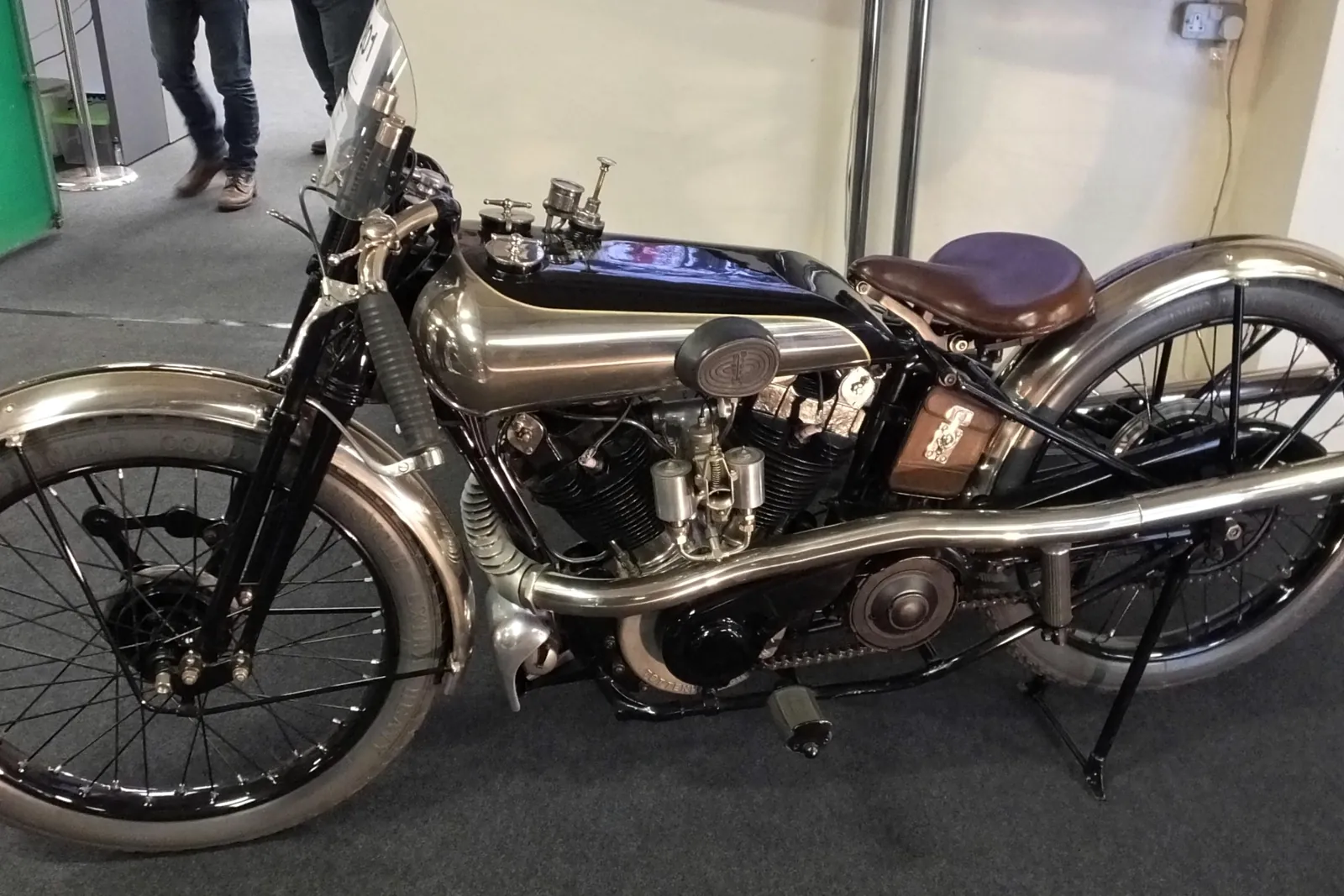
A light naked 150-250, a small sport bike, a classic single or a dual-sport all work if the riding position suits you and the parts are available. Sit on each for twenty minutes and imagine the road you ride most, not the road in the advertisement.
The best weekend bike is the one you look forward to washing. If maintenance feels like a chore before you have even bought it, choose something simpler.
The bottom line
Buy for the ride you repeat, not the ride you imagine. Light, common and well-supported beats rare, fast and fragile when the weekend is two days long.IndoBikes workshop
Checklist
- The riding position is comfortable for at least two hours
- Tyres are fresh, not just deep
- The battery survives two weeks without use, or you have a tender
- Parts and consumables are available locally
- Insurance and tax fit the annual budget
- Storage is dry and secure
- The bike can carry what you take on a day ride
- You have ridden the model before buying, not just watched a review
Questions
Should a weekend bike be new or used?
Used is often better value for a low-mileage toy, provided the tyres, battery and fluids are fresh. A new bike loses more value sitting in a garage.
Is a classic motorcycle practical for weekends?
It can be, if you enjoy the maintenance and can source parts. For trouble-free weekends, a modern retro or a simple single is easier to live with.
How often should a low-mileage bike be serviced?
At least annually, or at the interval in the manual, whichever comes first. Fluids, tyres and brake seals age with time as well as distance.
Do I need a big bike for weekend rides?
No. A light 150-250 is more fun on most Indonesian roads than a heavy machine you cannot use fully. Choose the bike that fits the road, not the brochure.