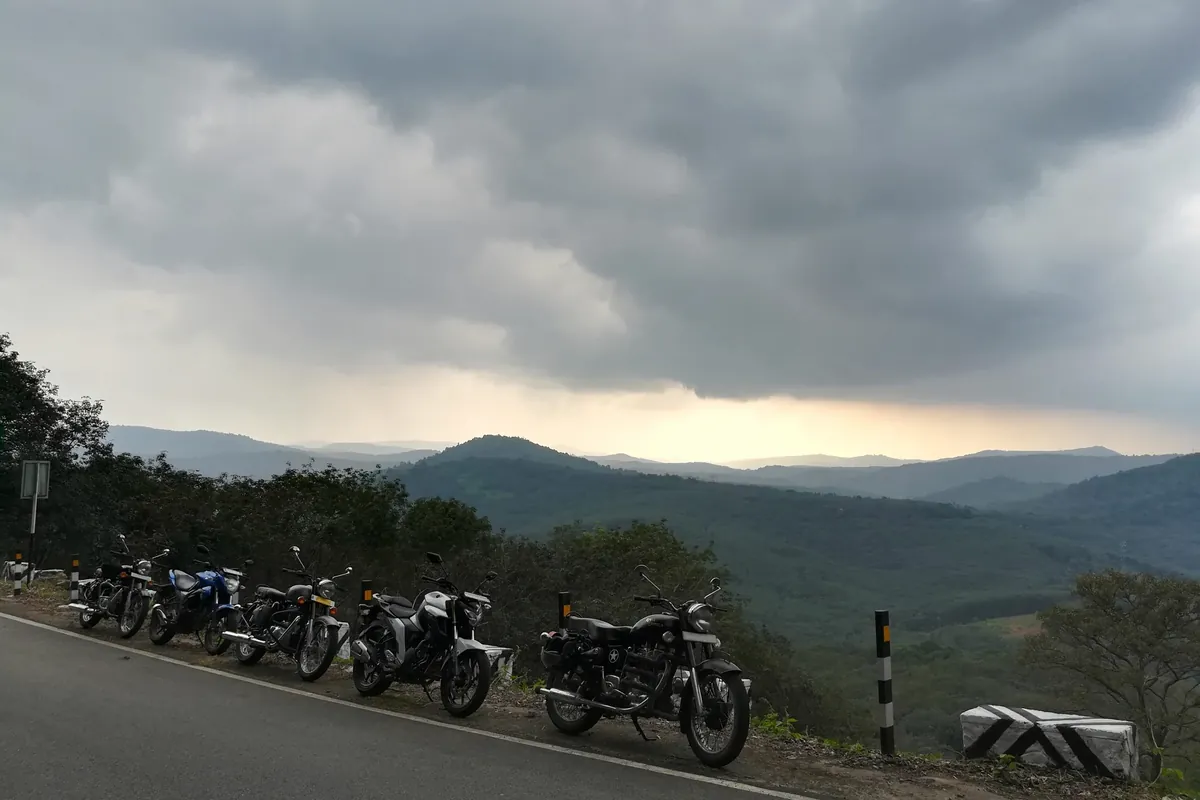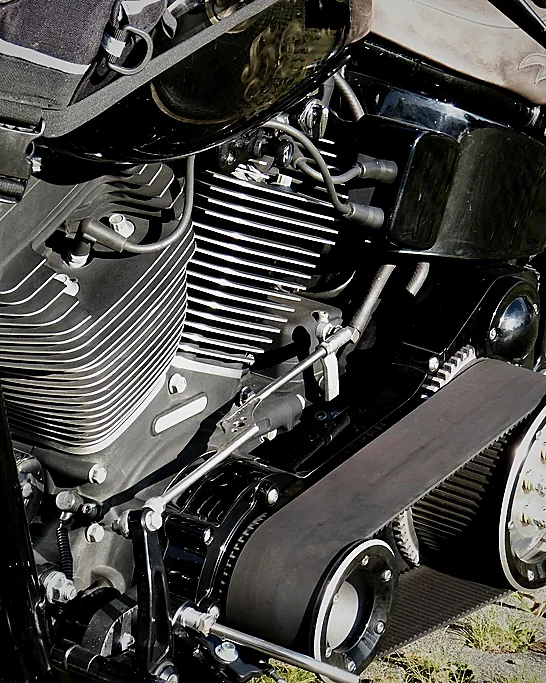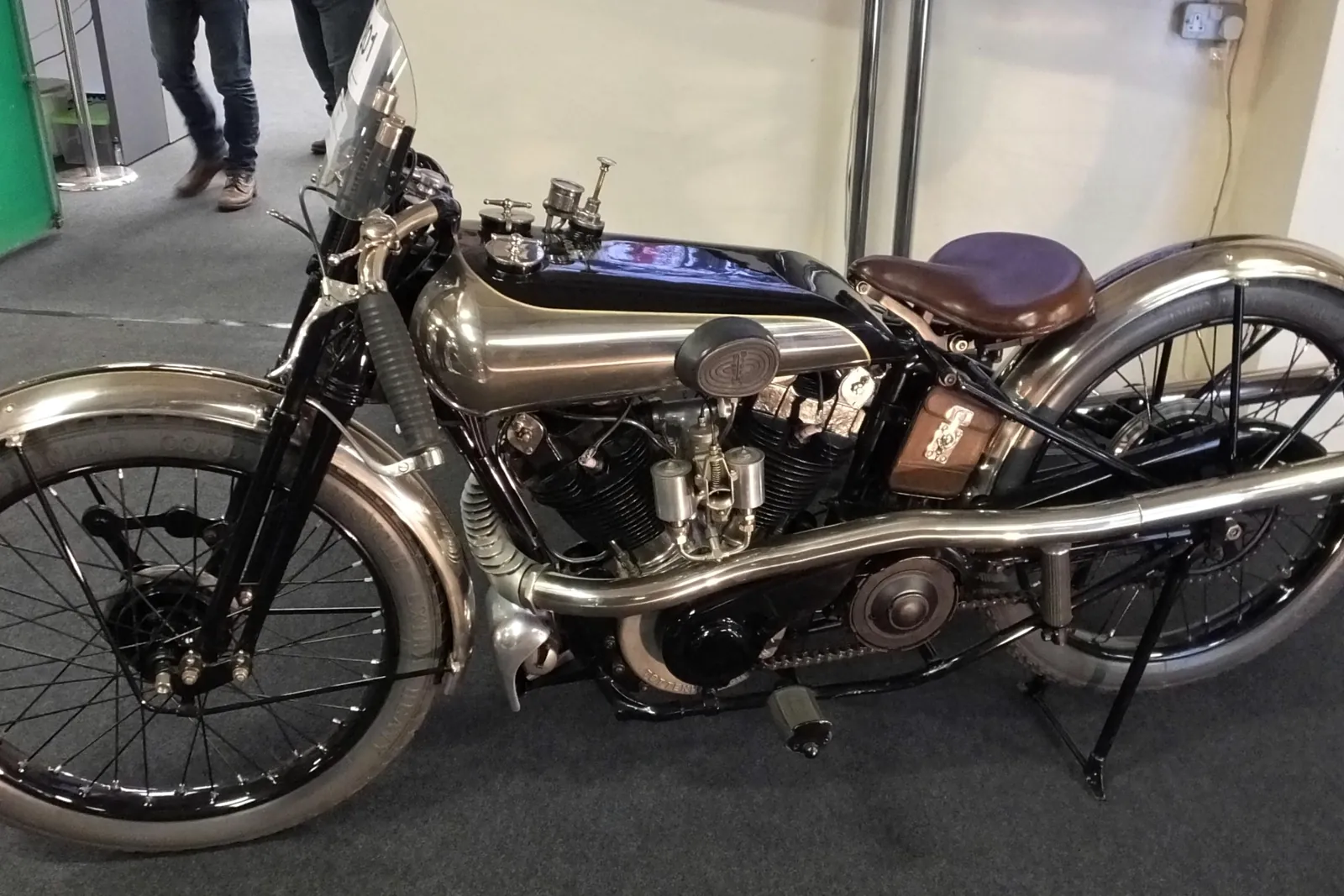
The choice between a classic and a modern motorcycle is not really about looks. It is about who does the maintenance, how often you ride, and whether a breakdown is an adventure or a problem. A classic can be reliable and deeply satisfying; a modern bike can be characterful and easy to live with. The mistake is buying a classic for daily transport without budgeting for the work.
Ownership reality
| Factor | Classic | Modern |
|---|---|---|
| Reliability | Depends on condition and upkeep | Predictable, with a warranty when new |
| Maintenance | Frequent, often hands-on | Scheduled, often at a workshop |
| Parts | Search, specialists, waiting | Dealer and aftermarket stock |
| Brakes | Drum or early disc; needs care | Disc, often ABS |
| Riding position | Upright, simple, sometimes cramped | Designed for current traffic |
| Value | Can appreciate; condition is everything | Depreciates, then stabilises |
Reliability is a maintenance question
A well-restored classic with fresh electrics, a rebuilt engine and sorted brakes can be dependable. A neglected classic is a series of small failures. The difference is not age; it is the quality of the work and the owner's routine.
A modern bike is designed for less attention: electronic ignition, fuel injection, sealed bearings and better materials. That does not make it maintenance-free, but it reduces the weekly checklist.
Who does the work
Classic ownership usually means learning to adjust a chain, set points or clean a carburettor, or paying someone who can. If you do not enjoy that, a classic will become a chore. If you do, it is part of the appeal.
A modern bike can still be serviced by a local workshop, but the diagnostics need tools. That is a different kind of dependency: less hands-on work, more reliance on a technician.
Parts and the waiting game
Classic parts range from widely available to impossible. A popular model has specialists and a community; an obscure one can stall for months over a single seal. Before buying, check that the consumables you will need are obtainable.
Modern bikes have dealer networks and aftermarket support. A common model is easy; a rare import can also wait for parts. Popularity matters in both worlds.
Brakes, tyres and safety
A classic may have a drum front brake or an early disc. In good condition, it can stop adequately, but it demands anticipation and maintenance. Modern tyres help, but the chassis and brake design set the limit.
A modern bike usually has a disc front, often ABS, and tyres designed for wet roads. If you ride daily in traffic, that difference is not cosmetic.
The honest cost
A classic purchase price is only the entry. Restoration, servicing, insurance for an agreed value, storage and time all add up. A bike that needs a rebuild can cost more than a modern commuter.
A modern bike depreciates but needs less attention. If your priority is transport, the modern bike is usually cheaper per kilometre. If your priority is the experience, the classic can be worth it.
The sensible middle
Modern retros offer classic styling with modern brakes, fuel injection and reliability. They are not the same as a restored classic, but they avoid the parts hunt and the weekly fettling. For a rider who wants the look and uses the bike daily, that is often the best compromise.
If you want a genuine classic, buy the best example you can afford, keep a modern bike for daily duty, and treat the classic as a second vehicle. That is the arrangement that keeps the romance intact.
The bottom line
A classic for the experience, with a budget for parts and time; a modern bike for daily transport and predictable costs. If you need one bike for everything, buy modern or a modern retro.IndoBikes workshop
Checklist
- You know who will maintain the bike
- Consumables and common parts are obtainable
- The brakes are adequate for your routes
- Storage is dry and secure
- Insurance covers an agreed value if appropriate
- You have a second bike or transport for downtime
- The restoration or repair history is documented
- You have ridden the bike in traffic before buying
Questions
Are classic motorcycles reliable?
A well-maintained classic can be reliable, but it needs more frequent attention. Condition and restoration quality matter more than age.
Can I use a classic as a daily commuter?
You can, but budget for maintenance and downtime. Most owners keep a modern bike for daily use and ride the classic for pleasure.
Are classic parts hard to find in Indonesia?
It depends on the model. Popular classics have specialists and communities; obscure models can require imports and long waits.
Is a modern retro a good compromise?
Yes, if you want classic style with modern brakes and reliability. It is not a true classic, but it is easier to live with.