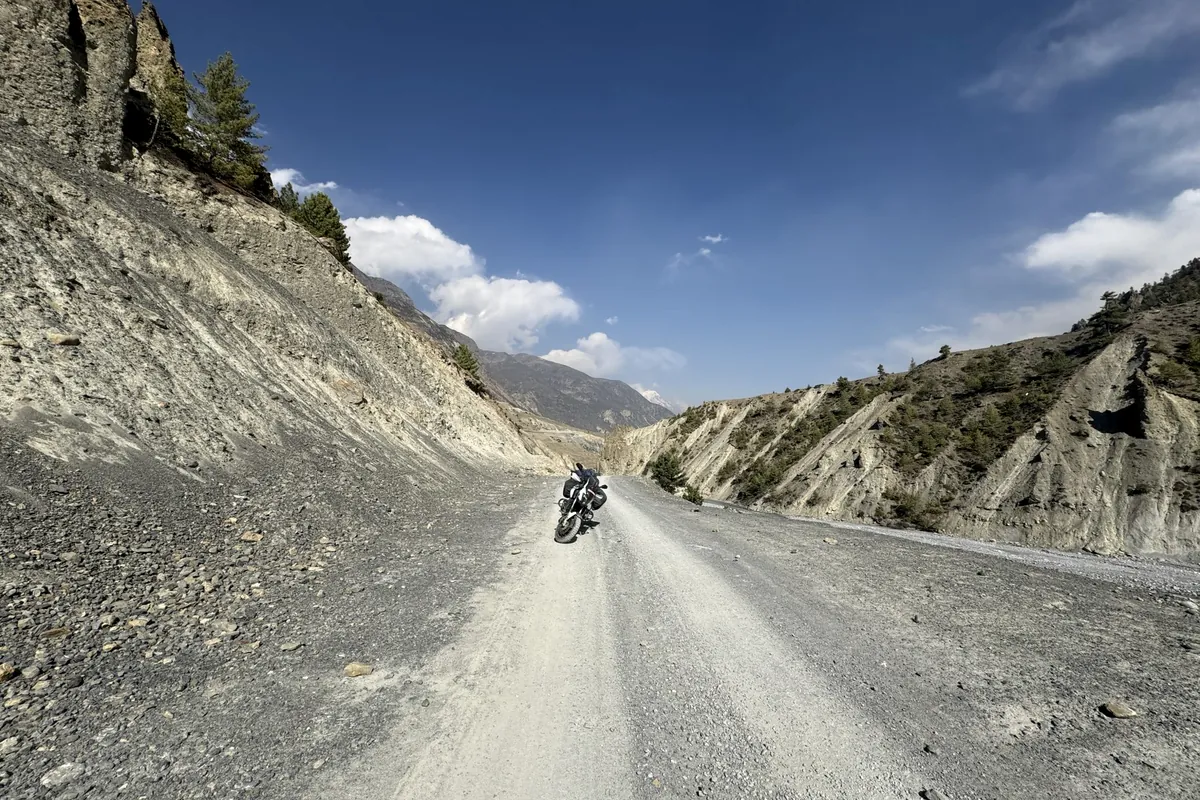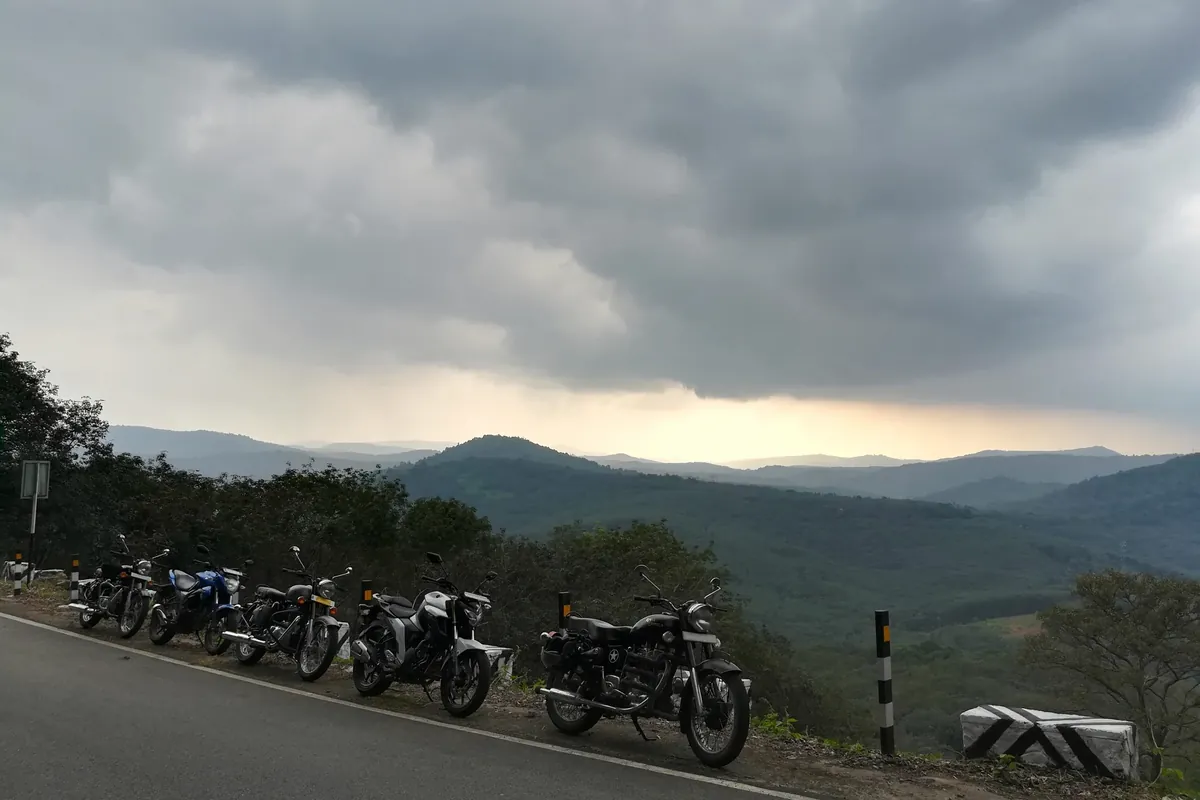
Indonesia is a long archipelago, and a motorcycle trip can be a few hundred kilometres or a ferry-hop between islands. The principles are the same: a serviced bike, a realistic daily distance, secure luggage and a plan for heat, rain and breakdowns.
At a glance
| Stage | Check | Why |
|---|---|---|
| Before the trip | Oil, tyres, brakes, chain or CVT, lights | A small fault becomes a breakdown far from home |
| Luggage | Low, centred and secure | Stability and visibility |
| Route | Toll restrictions, ferries, fuel | Avoid a dead end or a long detour |
| Daily plan | Distance, daylight, rest stops | Fatigue is a safety risk |
| Weather | Rain gear and flood avoidance | Wet roads and reduced visibility |
| Documents | Licence, STNK, insurance, contacts | Checks and emergencies |
Choose a realistic daily distance
A small scooter at 60–70 km/h covers less ground than the map suggests once traffic, fuel stops and rest breaks are included. Plan a daily distance you can repeat for several days, not a heroic first day followed by exhaustion.
Ride in daylight where possible. Night riding in Indonesia is riskier because of poor lighting, trucks and animals. If you must ride at night, reduce speed and increase the following distance.
Service and inspect the bike
Before the trip: oil, air filter, tyres, brakes, chain or CVT, lights, battery and coolant. Check the tyre pressures and the tread. A worn tyre that is fine for a commute can fail on a long, hot ride.
Carry a basic tool kit, a puncture repair kit, a pump, a spare fuse, a phone charger and a power bank. Know how to use them. A tool you do not understand is weight, not preparation.
Luggage and load
Keep the weight low and centred. A heavy top box high on the tail changes stability, especially on a scooter. Use soft panniers or a seat bag if the bike has no rack, and secure everything so it cannot shift.
Do not block the lights, the indicators or the exhaust. Keep the load within the bike's limit and check the tyre pressures with the luggage fitted. A passenger and luggage may require a higher rear pressure.
Route, tolls and ferries
Motorcycles are generally prohibited from toll roads in Indonesia. Plan the national roads and allow more time. For island crossings, check the ferry schedule and the port requirements in advance.
A navigation app can suggest a route that is not suitable for a motorcycle. Check the road class, the surface and the season. A remote shortcut can add hours or leave you without fuel.
Heat, rain and rest
Start early, drink water and take a break every couple of hours. Heat exhaustion reduces concentration before the rider notices. Wear ventilated protective gear and a helmet.
Carry rain gear and a dry bag. In the wet season, plan for delays and do not ride through flooded roads. A wet rider is a cold, tired rider, even in the tropics.
Documents and emergencies
Carry your licence, STNK, identification and insurance details. Save an emergency contact and the number of a local workshop. If you are riding a rental, confirm the recovery arrangement.
If the bike breaks down, get it off the road and stay visible. Do not attempt a major repair at the roadside. A tow to the next town is usually cheaper than a mistake.
The bottom line
A long ride is a series of small decisions. Service the bike, plan a repeatable distance, keep the load low and carry the tools and documents you need. Start early, rest often and do not trade safety for a schedule.IndoBikes workshop
Checklist
- Service the bike and check the tyres before the trip.
- Plan a daily distance you can repeat.
- Keep the luggage low, centred and secure.
- Check the toll-road restrictions and ferry schedule.
- Carry tools, a puncture kit and a power bank.
- Start early, drink water and rest every couple of hours.
- Carry rain gear and a dry bag.
- Carry your documents and an emergency contact.
Questions
How far can I ride in a day in Indonesia?
It depends on the bike, the roads and the traffic. A realistic plan for a small scooter is modest; a larger motorcycle can cover more. Do not plan a distance you cannot repeat.
Can I take a motorcycle on a ferry in Indonesia?
Yes, on many routes, but the procedure and the price vary. Check the port and the operator in advance and arrive early.
What should I carry for a long trip?
Tools, a puncture kit, a pump, a spare fuse, a charger, water, rain gear, a dry bag and your documents. Know how to use the tools you carry.