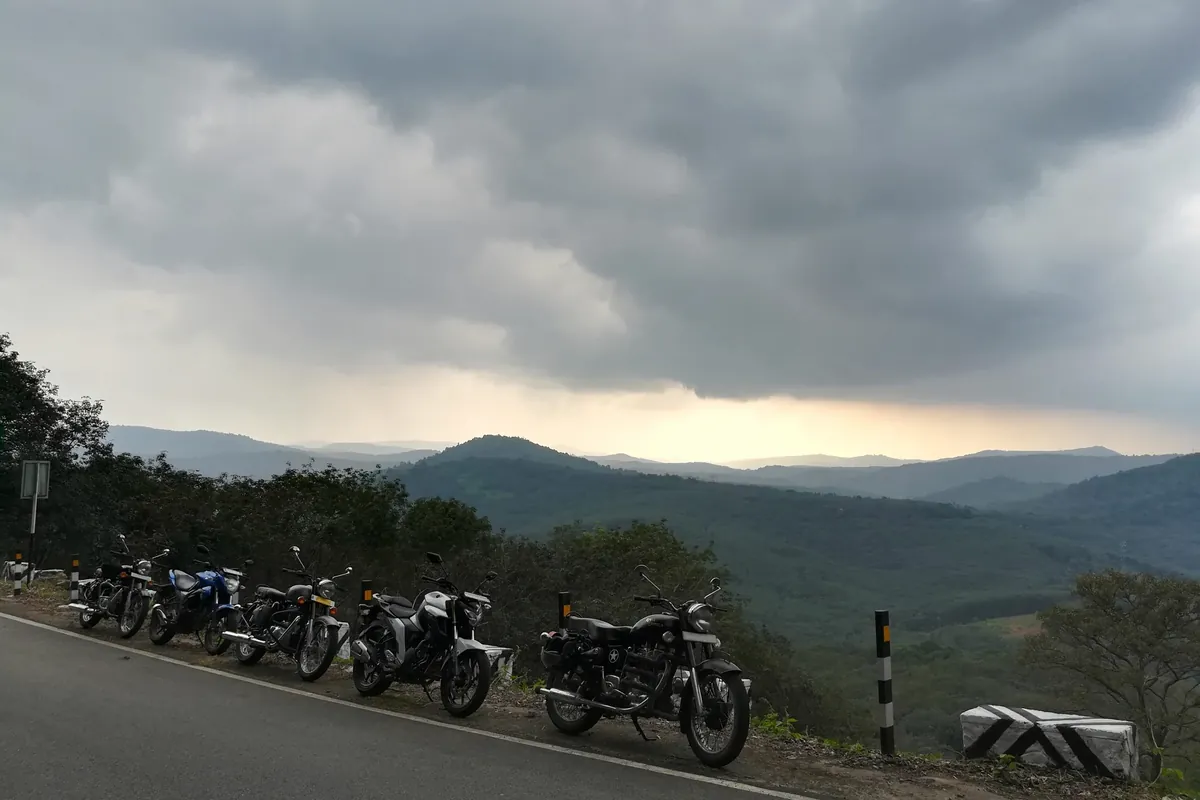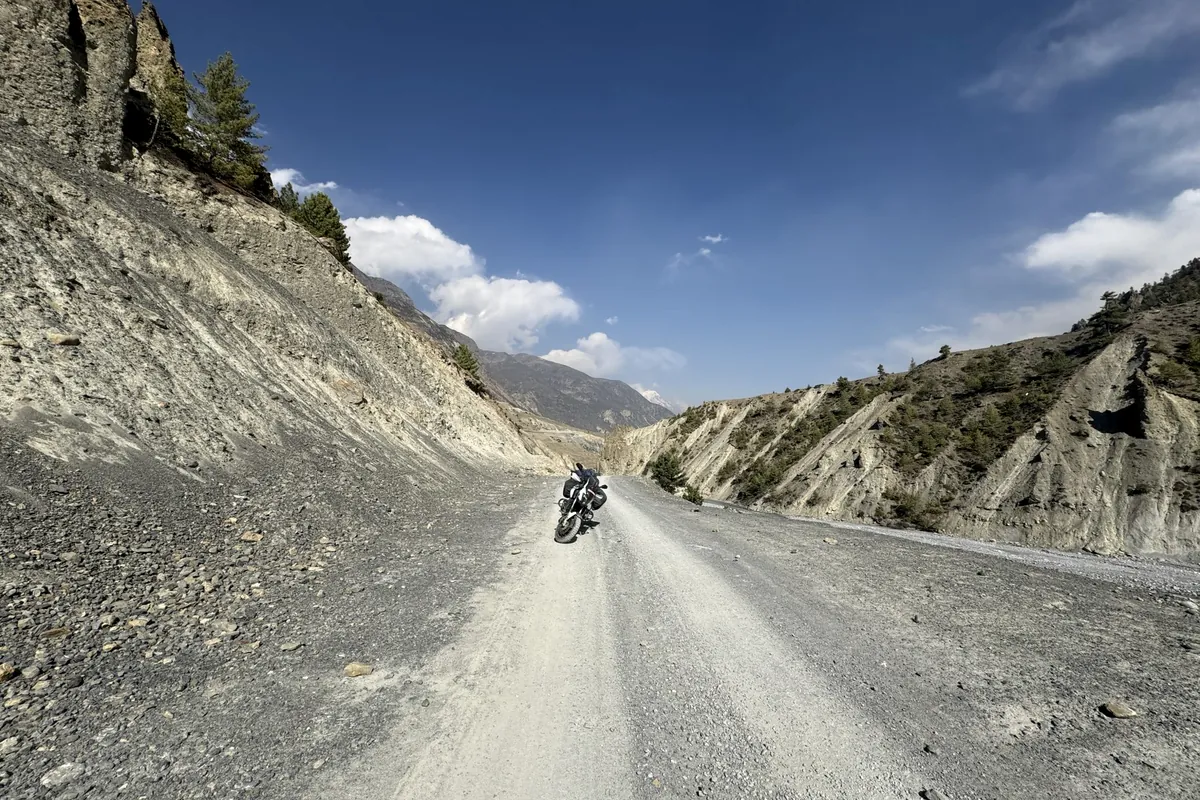
Indonesia's wet season brings sudden heavy rain, standing water and poor visibility. The first ten minutes after rain starts are often the most slippery, as oil and dust lift from the asphalt. A rider who slows down, increases the gap and prepares the bike can manage the season.
At a glance
| Condition | Risk | Response |
|---|---|---|
| First rain | Oil and dust lift from the road | Reduce speed and increase the gap |
| Standing water | Potholes, intake flooding, bearings | Do not ride through if you cannot see the bottom |
| Worn tyre | Aquaplaning and loss of grip | Replace before the season |
| Fogged visor | Reduced visibility | Pinlock, vent and clean at stops |
| Wet brakes | Weak initial braking | Test gently and dry with use |
Slow down and increase the gap
Wet asphalt offers less grip, and the first rain lifts oil and rubber from the surface. Reduce speed before the bend, not in it. Use both brakes progressively and avoid sudden steering inputs.
Increase the following distance to give yourself time to stop. A scooter with small wheels and a loaded top box needs more distance than a solo rider. Do not follow a car closely to hide from the rain.
See and be seen
Use the headlight, even in daylight. A clear visor or a treated shield helps, but rain on the visor is the real problem. Carry a cloth and clean the visor at stops. Do not use a dark tint at night or in heavy rain.
Wear a bright or reflective layer. A rain jacket in a dark colour is invisible in the spray. Reflective strips on the jacket, the helmet or the bike make a difference in traffic.
Tyres, brakes and standing water
Check the tread and the pressure before the season. A worn tyre channels less water and loses grip earlier. A tyre that is too hard or too old is worse in the wet.
Standing water can hide potholes, drains and debris. Do not ride through a flood if you cannot see the bottom. Water can enter the air intake, the exhaust or the wheel bearings and stop the engine.
Gear and comfort
A waterproof jacket and trousers, gloves and closed shoes make the ride safer and more comfortable. A wet rider makes worse decisions. Keep a dry change of clothes in a waterproof bag.
A helmet with a pinlock or an anti-fog insert reduces misting. A neck tube keeps water from running down the back of the neck. Avoid loose clothing that can catch the wind or the chain.
Bike preparation
Clean and lubricate the chain more often in the wet. Water washes lubricant away and promotes rust. Check the brake pads and the fluid; wet brakes can feel weak until they dry.
Protect the electrics. Check the connectors, the battery terminals and the lights. A corroded connector can fail in the rain. A waterlogged air filter or a flooded exhaust can stop the engine.
After the rain
Dry the bike, lubricate the chain and test the brakes. Water can sit in the switchgear, the instrument cluster and the connectors. A misfire after a wet ride should be diagnosed, not ignored.
Clean the brake discs with brake cleaner if they are contaminated, and check the tyre pressures. A slow puncture from debris is common after a storm.
The bottom line
Rain is a condition to manage, not a reason to ride faster to get home. Slow down, increase the gap, use the light and protect the bike. Check the tyres and the chain before the season, and do not ride through water you cannot see through.IndoBikes workshop
Checklist
- Slow down before the bend, not in it.
- Increase the following distance.
- Use the headlight and wear something bright.
- Check the tyres for tread and pressure.
- Do not ride through water you cannot see through.
- Wear waterproof gear and keep a dry change.
- Lubricate the chain after a wet ride.
- Dry the bike and test the brakes.
Questions
Why is the road slippery when it first rains?
The first rain lifts oil, rubber and dust from the asphalt, creating a slippery film. It improves after the rain has washed the surface.
Can I ride through a flooded road?
Only if you can see the bottom and the water is shallow. Water can enter the intake or the exhaust, damage bearings and hide potholes. If in doubt, turn around.
How do I stop my visor fogging?
Use a pinlock or an anti-fog insert, keep the visor clean and open a vent. A fogged visor is a visibility hazard; stop and clear it.