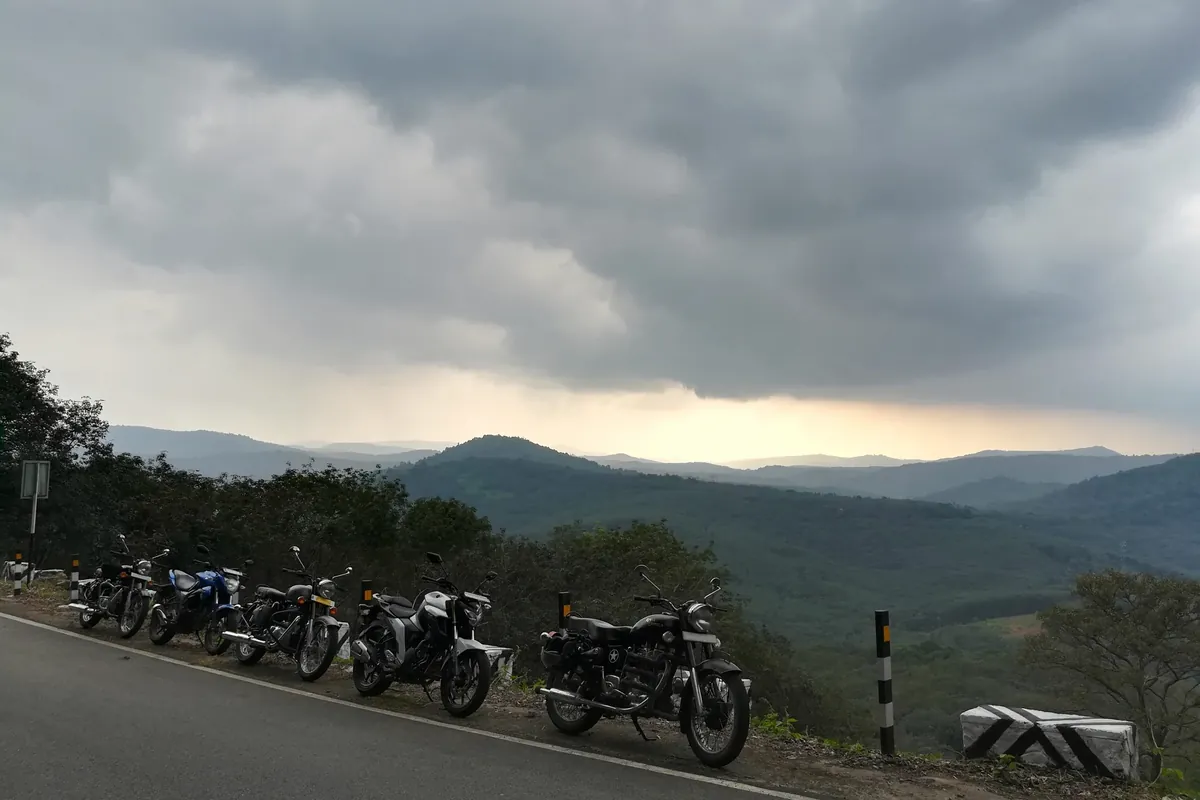
Forty million rupiah reaches the 250 class properly: singles and twins, small adventure bikes and used larger machines. These bikes are more capable and more expensive to own. They weigh more, use more fuel, cost more to insure and ask for better tyres. The purchase only makes sense if the road, the load or the distance justifies the extra capability.
Capacity and cost ladder
| Class | Best for | Ownership note |
|---|---|---|
| 250 single | City, commuting, light touring | Simple, economical for its size, common parts |
| 250 twin | Faster roads, touring, sport riding | More complex, higher service and insurance |
| Small adventure 250 | Broken roads, luggage, travel | Tall seat, more maintenance points |
| Used larger bike | Touring and presence | Tyres, insurance and repairs escalate quickly |
What changes above 250
Weight becomes a daily factor. A 250 is still manageable for most riders, but a larger adventure bike or a 600 is a different proposition in a parking space, on a slope or in a tight alley. If you cannot push it, you will ride it less.
Heat management matters more in traffic. A larger engine produces more heat, and a fairing can trap it. A liquid-cooled system with a fan is normal, but it needs to be clean and working. In a tropical city, a big bike can become uncomfortable at a long light.
The case for a 250
A 250 is the sweet spot for many Indonesian riders who commute longer distances or tour on weekends. It has enough reserve for overtaking with a passenger, better suspension and brakes, and a chassis that feels stable at speed. A single is simpler and cheaper; a twin is smoother and more expensive.
For city-only use, a 250 is more than necessary. It uses more fuel, costs more to insure and is harder to park. Buy it for the road you actually ride, not the trip you plan once a year.
Adventure bikes and the height question
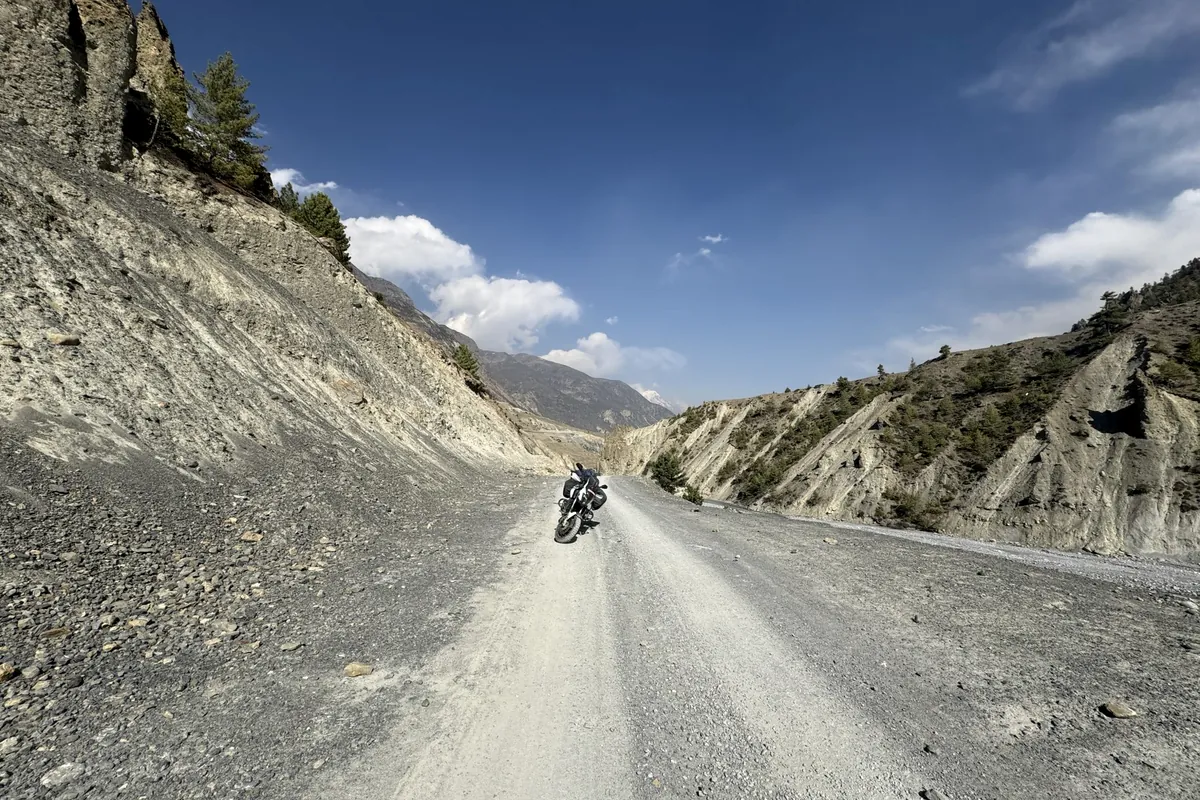
A small adventure bike opens broken roads and carries luggage well. The trade-off is seat height and weight. A tall rider may be comfortable; a shorter rider may struggle at a camber even if the bike is otherwise ideal. Test it loaded, not empty.
Adventure styling does not equal off-road ability. Ground clearance, suspension travel, tyres and rider skill decide where a bike can go. A heavy adventure bike with road tyres is a road bike with a tall seat.
Running costs that scale
Tyres are the biggest recurring cost. A 250 uses larger, more expensive rubber that may not be stocked in every town. Chains and sprockets wear faster on a twin, and brake pads and fluid are consumed more quickly. Insurance can be higher because of the value and the risk.
A major service on a 250 can cost several times a scooter service. Ask for the schedule and the price of the next major items before you buy. A cheap used 250 with a deferred valve check is not cheap.
Depreciation and resale
Popular 250s hold value reasonably well, especially if they are standard and well maintained. Modified bikes, crash repairs and missing service history reduce the buyer pool. Keep the original parts and the receipts.
A used larger bike may look like a bargain, but the running costs can be out of proportion to the purchase price. Tyres and insurance alone can surprise a new owner. Do the annual cost before the emotional decision.
Who should not buy in this band
If you ride 5 km a day, park on the street and have a tight maintenance budget, a 125-160 scooter is the better tool. If you are a new rider, a 250 is not the place to learn. If you cannot lift the bike or push it out of a space, it will become a weekend ornament.
Capability is only useful when it is used. A smaller bike ridden often is better than a larger one ridden rarely.
The bottom line
Buy a 250 for distance, passengers and broken roads, not for status. Price the tyres, insurance and next major service first; if those fit, the extra capability is genuine.IndoBikes workshop
Checklist
- You can push and park the bike without help
- The seat height works with your boots on a camber
- Tyre prices and availability are checked locally
- Insurance and the next major service are in the budget
- The bike has a service history and original parts
- Cooling system and fan work in traffic
- A passenger and luggage stay within the load limit
- The route justifies the capacity
Questions
Is a 250 good for a first motorcycle?
Usually not. A lighter 125-150 is easier to learn on and cheaper to repair after a mistake. A 250 makes sense after you have experience and a route that needs it.
Single or twin for Indonesian roads?
A single is simpler, lighter and cheaper to maintain. A twin is smoother on fast roads and better for touring. Choose based on distance and budget, not prestige.
Are adventure bikes good for Indonesian roads?
They are useful on broken surfaces and for luggage, but tall seats and weight can be a problem in traffic. A small adventure bike is more practical than a large one for most riders.
How much should I budget for a 250's tyres?
Ask a local dealer for the fitted price of the exact tyre size. It varies by brand and city, and it is the largest recurring cost after fuel.