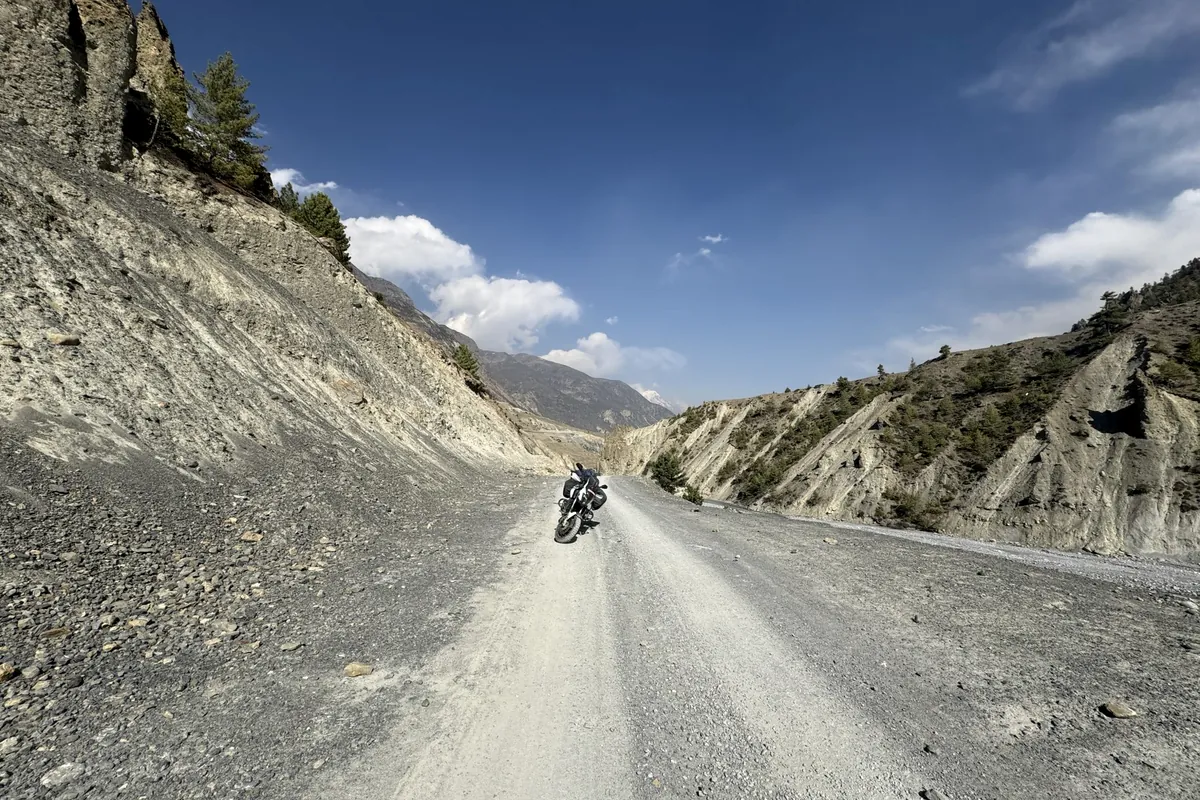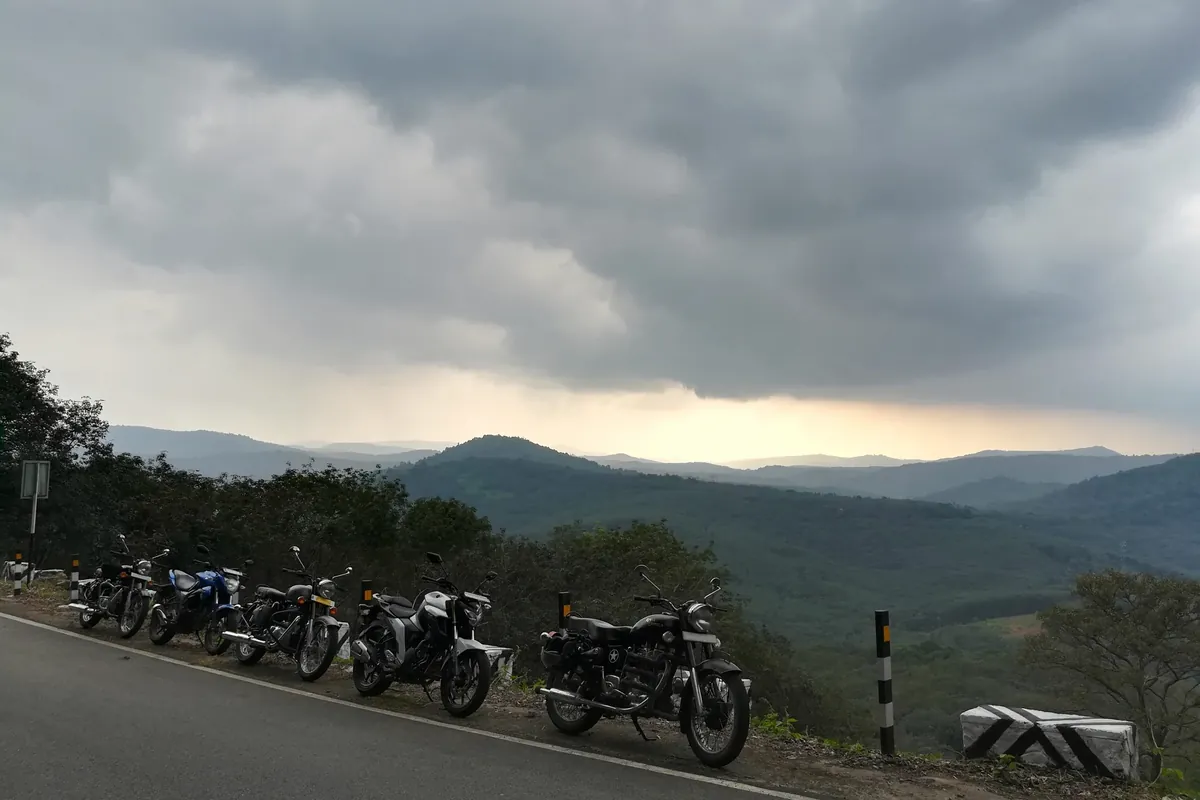
In Indonesia the underbone, often called a bebek, and the automatic scooter are the two default small motorcycles. Both are light and economical. The scooter has small wheels, a step-through frame, a CVT and usually storage. The underbone has larger wheels, a manual gearbox and a simpler body. The difference matters on broken roads, in traffic and when you carry a load.
Design differences
| Factor | Scooter | Underbone |
|---|---|---|
| Wheels | Smaller, usually 12-14 inch | Larger, usually 17 inch |
| Frame | Step-through, engine on the swingarm | Backbone frame, engine in the frame |
| Transmission | CVT, no clutch | Manual gearbox with a clutch or semi-automatic |
| Storage | Under-seat compartment on most | Little or none |
| Broken roads | Less composed on small wheels | Larger wheels roll over obstacles better |
| Weather | Leg shield and bodywork | Minimal protection |
Wheel size is the biggest hidden difference
A 17-inch wheel rolls over a pothole, a kerb or a patch of gravel with more composure than a 12-inch scooter wheel. On smooth city roads the difference is small. On broken surfaces, rural roads and unpaved sections, the underbone is more stable and less likely to damage a rim.
Small wheels also make a scooter more nimble at low speed and easier to park. That is why scooters dominate dense city use. The trade-off appears when the surface deteriorates.
Clutch, CVT and control
An underbone usually has a manual or semi-automatic gearbox. A manual gives direct control and engine braking; a semi-automatic removes the clutch lever but still requires gear selection. Both are simpler mechanically than a CVT in some ways and more involving to ride.
A scooter's CVT is easier in traffic and smoother for a new rider. It also heats up in slow creep and needs belt and roller service. Neither system is fragile when maintained; they simply ask for different habits.
Carrying and storage
A scooter's under-seat storage and flat floorboard make it the better daily errand machine. A helmet, a raincoat and a bag disappear under the seat, and a box on the floorboard is easy to secure.
An underbone needs a rack or a backpack. A frame-mounted rack can carry more weight than a scooter's bodywork-mounted bracket, which matters for delivery or rural loads. Check how the rack attaches before you load it.
Weather and maintenance
The scooter's bodywork keeps spray off your legs and shoes, which is a real comfort gain in the rainy season. It also hides the engine, making some jobs slower and body panels more expensive to replace after a drop.
An underbone is easier to dry, easier to inspect and cheaper to repair cosmetically. The exposed engine and chain are simple to maintain, but the rider gets wetter and dirtier.
Rural and city use
For city commuting, a scooter is hard to beat: light, easy to park, storage and no clutch. For rural roads, an underbone's larger wheels and simpler suspension cope better with broken surfaces and gravel.
Some riders choose an underbone because it is cheaper to run and easier to repair in a small workshop. Others choose a scooter because the daily convenience outweighs the rough-road disadvantage.
What to check on a used example
On a scooter, inspect the CVT belt and rollers, the CVT cooling intake, the bodywork mounts and the under-seat compartment for water damage. On an underbone, check the chain and sprockets, the clutch, the rear suspension and the frame for rust around the rack mounts.
For both, check the wheels for dents, the tyres for age and the brakes for wear. A small wheel with a bent rim is a common hidden cost on a used scooter.
The bottom line
A scooter for city convenience and storage; an underbone for broken roads, larger wheels and simpler repairs. Decide by the surface you ride most, not by style.IndoBikes workshop
Checklist
- Your route is mostly sealed or includes broken surfaces
- You need under-seat storage or a rack
- You can manage a clutch if you choose an underbone
- Wheel and tyre sizes are available locally
- The CVT or chain can be serviced nearby
- The bike is light enough to park and push
- A passenger fits comfortably
- You have ridden both on your normal roads
Questions
Is an underbone better on bad roads?
Generally yes, because larger wheels and longer suspension cope better with potholes and gravel. A scooter is more nimble on smooth city streets.
Which is cheaper to maintain?
It depends on the model and intervals. An underbone avoids CVT belt costs but needs chain care; a scooter avoids chain care but needs belt and roller service.
Can a scooter carry a passenger?
Yes, within the load limit. A longer seat and grab rail help, but small wheels and short suspension are more affected by the extra weight.
Are underbones still worth buying?
Yes. They are light, economical, simple and better on rough roads. They remain a practical choice for many riders.