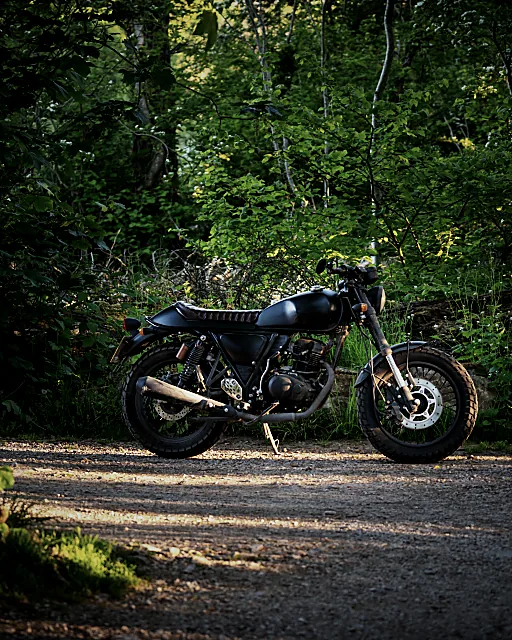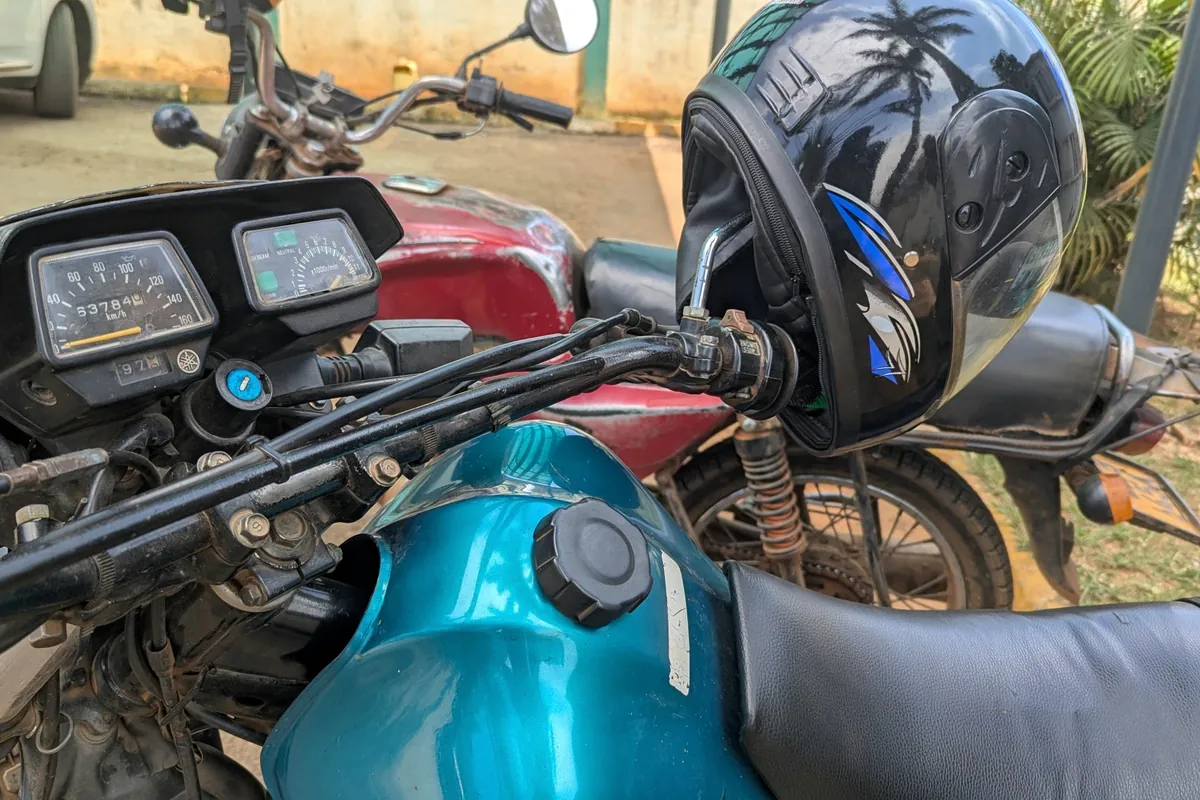
The street tracker is one of the most practical custom styles. Wide bars, a flat seat, a short tail and a slightly taller stance suit real roads. The trap is copying race details that make the bike worse in traffic, such as a tiny tank, no lights or a locked-out suspension.
The visual recipe
A street tracker usually has a short, flat tail, a narrow tank, wide bars and a front number plate or a small headlight. The bike sits slightly taller than a cafe racer, with room for the rider to move. The wheels are often a matched pair, and the exhaust is tucked up and out of the way.
The proportions should look purposeful rather than theatrical. A tail that is too short, a tank that is too small or a front plate that blocks the headlight will hurt the ride. Build the stance first, then decide which race cues belong on a road bike.
Ergonomics and controls
Wide bars give leverage and a natural standing position, but they also catch wind and narrow gaps. Choose a width that suits the rider and the traffic. A flat or slightly swept bar, a comfortable seat and pegs positioned for control are more important than a period-correct part.
The rider triangle should allow the elbows to bend and the head to stay up. A tracker is not a cafe racer; the rider should not be folded over the tank. Adjust the bar height, seat height and peg position together, then test the reach to the brake and clutch.
Suspension, brakes and wheels
Flat-track bikes use long travel and strong brakes on dirt. A street tracker needs controlled travel and brakes matched to asphalt. Rebuild the forks, fit springs for the rider's weight and choose shocks with adjustable damping if the budget allows. Set the sag before judging the ride.
A matched pair of wheels with road-biased tyres is usually the best compromise. Check rim width, tyre clearance and brake caliper mounting. If you convert a drum brake front end to a disc, use a complete, proven setup rather than a bracket that was never engineered for the load.
Engine, exhaust and intake
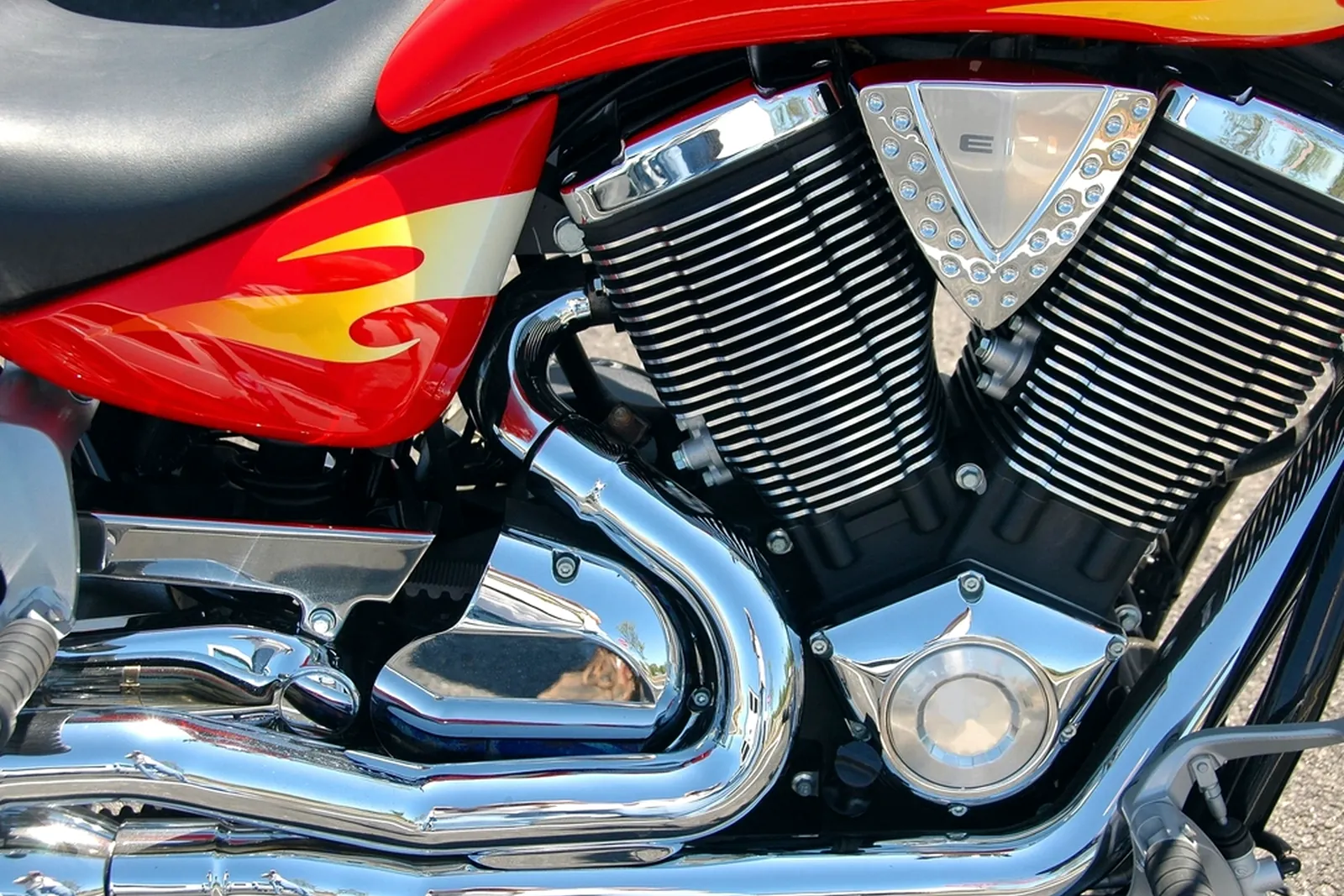
The engine does not need race tuning to look and feel right. A healthy stock engine with a clean intake, correct fuelling and a well-made exhaust is more usable than a highly tuned engine with a narrow powerband. If you change the exhaust or the airbox, verify that the fuel mixture is corrected.
Exhaust routing should keep the pipe away from the rider's leg and the ground. A high pipe looks right but can burn a calf or melt a bag. Support the muffler from the frame, use proper gaskets and check clearance at full suspension travel.
Lights, plate and road legality
A street tracker needs a real headlight, a visible tail light, a plate mount and mirrors. A front number plate can coexist with a headlight if it is designed properly; a plate that covers the light is a safety problem. Check local rules before deleting indicators or mirrors.
The finished bike should be easy to live with: a usable turning circle, a seat that does not trap the rider, and a fuel tank with enough range for the intended rides. Those details make the difference between a style exercise and a motorcycle you choose to ride.
Checklist
- Decide which race cues belong on a road bike.
- Set the bar, seat and peg relationship for a natural stance.
- Rebuild the forks and set rider sag before judging the ride.
- Use a matched wheel and tyre pair suited to asphalt.
- Fit a complete, proven front brake setup.
- Correct fuelling after any exhaust or intake change.
- Route the exhaust away from the leg and the ground.
- Fit legal lighting, plate, mirrors and a working brake light.
Questions
Do I need a front number plate?
No. It is a visual cue, not a legal requirement in most places. If you fit one, make sure it does not block the headlight or the rider's view.
Can a street tracker use knobby tyres?
It can, but the bike will be less secure on wet asphalt. A road-biased tyre with a mild tread is usually the better choice for a street build.
Is a street tracker comfortable for long rides?
It can be, if the seat, bars and suspension are set up for the rider. The style has more room than a cafe racer, but a small tank and a thin seat still limit distance.