Handlebar swaps are often sold as a style change, but they are really an ergonomic change. Width, rise, sweep and pull determine how the rider reaches the controls, how much leverage is available and how the bike feels at low speed. The right bar can make a bike comfortable; the wrong one can make it unstable.
Bar types and what they change
A flat bar gives a forward reach and a direct steering feel; a riser bar lifts the hands and opens the rider's chest; a swept bar brings the controls closer and reduces the reach. Clip-ons lower the hands and change the steering geometry relative to the rider. Each style suits a different bike and use.
Width is leverage. A wider bar steers more easily at low speed but catches wind and narrow gaps. A narrower bar is more compact but can make the steering heavy. Start with the standard width and change in small increments.
Rise, sweep and pull
Rise is the height difference between the clamp area and the grips. Sweep is the bend toward the rider; pull is the rotation of the grips. A bar with too much sweep can put the wrists at an awkward angle; too little can make the reach to the levers uncomfortable.
The goal is a relaxed elbow, a neutral wrist and a clear view of the mirrors. Sit on the bike with the bar in place and check the reach to the brake and clutch. A bar that feels right in the workshop can feel wrong after an hour on the road.
Cables, brake lines and controls
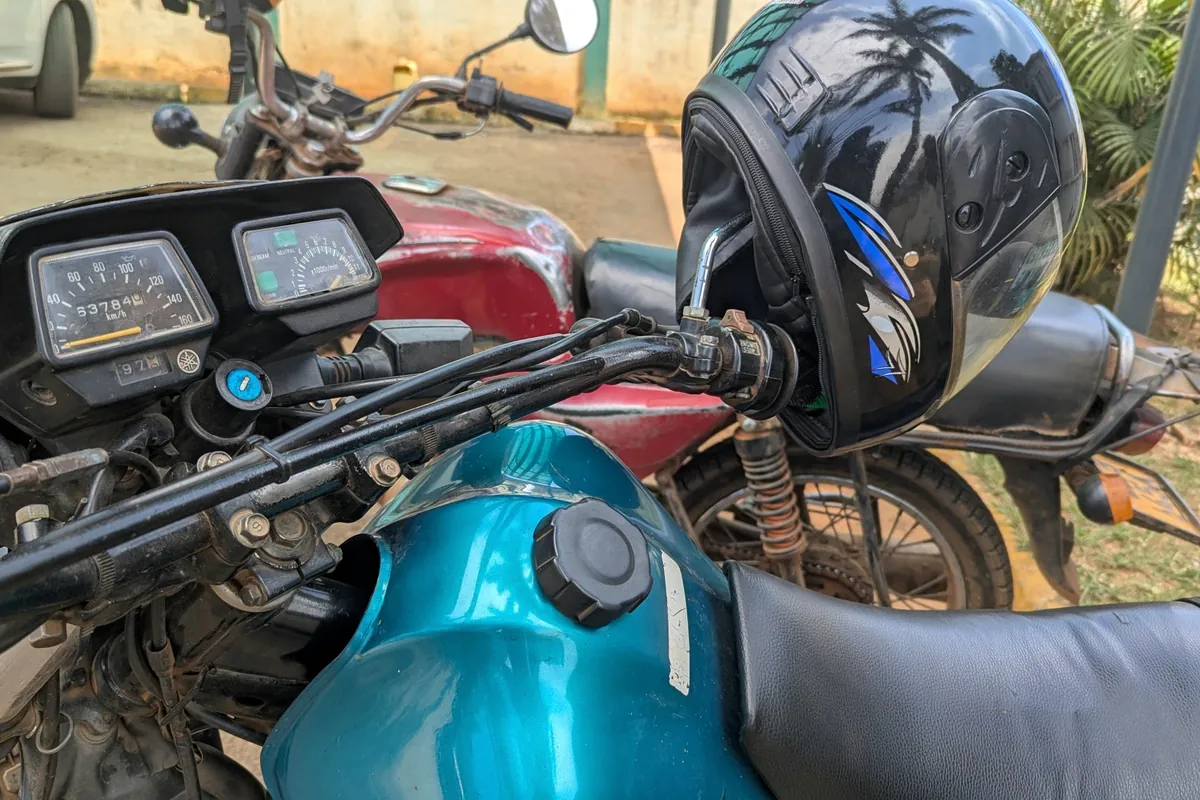
A taller or wider bar may need longer cables, brake lines and switchgear wiring. Do not stretch a cable or a brake line to make it fit. Check the routing through the full steering range and confirm that nothing pulls, kinks or rubs at full lock.
The controls, grips and bar-end weights must fit the new bar diameter. A bar with a different taper may need new clamps or adapters. Use the correct fasteners and torque, and check that the throttle returns freely with the bar turned to both sides.
Compatibility and clearance
Check clearance to the tank, the fairing, the mirrors and the rider's knees at full lock. A bar that hits the tank can dent it and limit the steering. A bar that traps the rider's hand against the tank is dangerous. Measure before you buy.
If the bike has a fairing or a screen, a taller bar may put the controls into the wind or block the instruments. If the bike has heated grips, the wiring and the controller need a new home. Plan the whole cockpit, not just the bar.
Test and refine
Fit the bar, set the controls to a comfortable angle and test the bike on a quiet road. Check the low-speed steering, the reach to the levers and the mirror view. Adjust the lever angle and the bar position in small steps.
After a few rides, check the fasteners and the cable routing again. A bar that moves under load is a safety issue. If the new position causes wrist, shoulder or neck pain, change it rather than adapting to it.
Checklist
- Measure the standard bar width, rise and sweep.
- Sit on the bike and check the reach to the controls.
- Confirm cable, brake-line and wiring length at full lock.
- Check clearance to the tank, fairing and rider's knees.
- Match the bar diameter to the clamps and controls.
- Set the lever angle for a neutral wrist.
- Test low-speed steering and mirror view.
- Recheck fasteners and routing after the first rides.
Questions
Can I fit any handlebar to any bike?
No. The diameter, clamp, cable length, brake-line routing and clearance all matter. A bar that fits the clamp may still hit the tank or require longer cables.
Do I need a new brake line for a taller bar?
Often yes. Do not stretch the original line. A braided line made to the correct length is safer and improves feel.
Are wider bars better for touring?
They can give more leverage and a more open riding position, but they also catch wind. The best width depends on the bike, the rider and the type of riding.