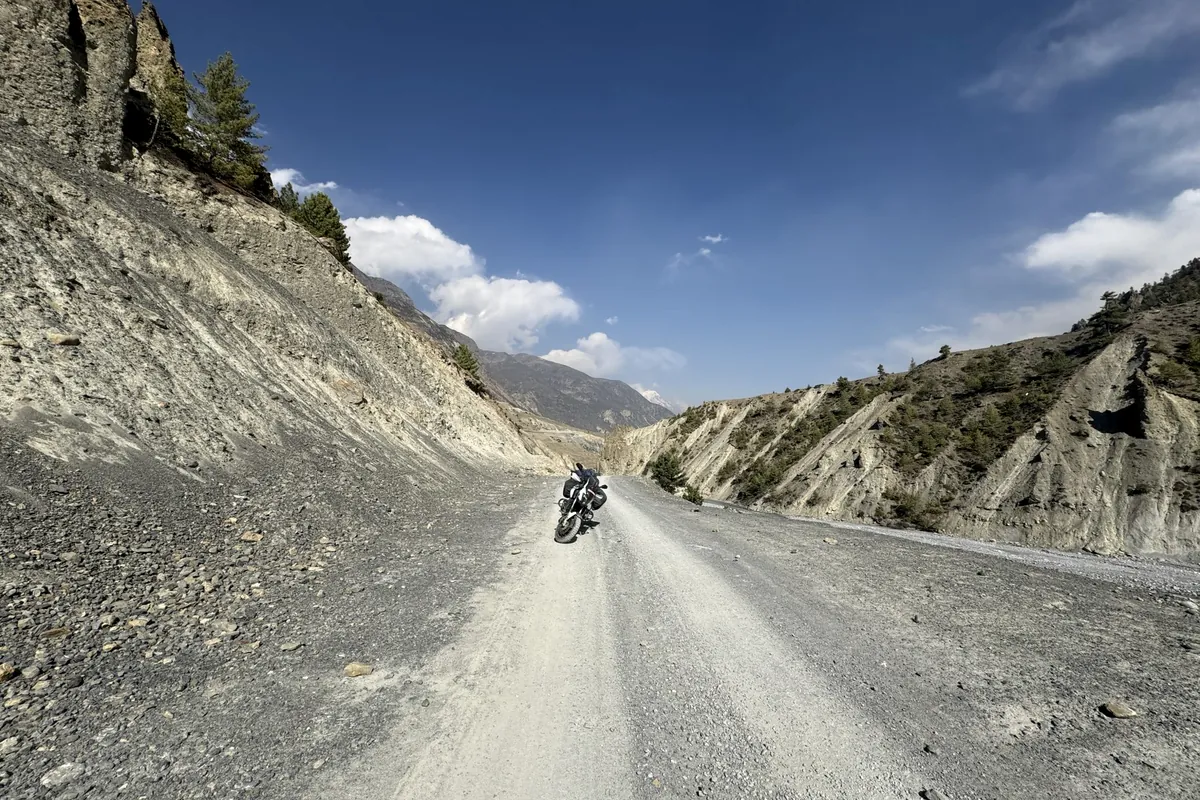
The Kawasaki D-Tracker 150 is the road-focused sibling of the KLX150. It uses the same 144 cc air-cooled engine and five-speed gearbox but pairs them with a lower, more compact chassis and road-biased wheels. The result is a light supermoto-style bike that is happy in traffic and still usable on easy trails.
The D-Tracker is not a full-size supermoto and it is not a touring bike. Its short wheelbase and light weight make it agile, while the basic suspension and modest power keep it honest. It is a fun city bike with a useful amount of rough-road ability.
At a glance
- Engine layout
- 144 cc air-cooled SOHC single
- Fuel system
- Carburettor
- Transmission
- Five-speed manual
- Final drive
- Chain
- Cooling
- Air
Engine and fuel system
The 144 cc engine is shared with the KLX150. It produces useful low-speed torque and is simple to service. The carburettor is sensitive to a dirty air filter and stale fuel, so regular cleaning matters more than expensive parts.
Air cooling is adequate for road use but relies on airflow. In slow traffic or on long climbs the engine can run hot. Check the oil level and keep the cooling path clear; stop if the engine smells hot or loses power.
Transmission and final drive
The five-speed gearbox and chain final drive are conventional. The shorter suspension travel means chain slack changes less than on the KLX, but it still needs regular checking. A worn chain makes the throttle feel snatchy.
The road-biased wheels and tyres give more grip on tarmac than a knobby dual-sport, at the cost of loose-surface traction. The suspension is firm enough for city riding and can be harsh on broken roads. Check tyre pressures and inspect the fork seals.
Advantages and disadvantages
Advantages
- Light and agile in traffic.
- Supermoto styling with a compact chassis.
- Simple air-cooled engine and carburettor.
- Road-biased tyres give good tarmac grip.
- Easy to customize and maintain.
Disadvantages
- Modest power for highway use.
- Firm suspension on rough roads.
- Carburettor needs regular attention.
- Limited wind protection and passenger comfort.
Maintenance recommendations
The list below is a working routine, not a substitute for the service schedule. Intervals depend on the model year, the version and how the machine is used.
- Change engine oil on schedule and check the level.
- Clean the air filter and keep the carburettor clean.
- Maintain the chain and inspect the sprockets.
- Check brake pads, fluid and tyre pressures.
- Inspect fork seals and suspension for leaks.
- Check spokes, wheel bearings and fasteners.
- Keep the engine cooling path clear.
Common problems, where supported
These are the faults that repeat on this layout or class of machine. They are diagnostic starting points, not a prediction that every example will fail.
Carburettor running issues
Hard starting and poor throttle response often come from a dirty pilot jet or an intake leak. Clean and adjust before replacing parts.
Fork seal leaks
Dirt under the seal can cause a leak. Clean the seal and inspect the tube for scores before replacing it.
Chain wear
A worn chain affects throttle smoothness and can damage the sprockets. Measure elongation and replace chain and sprockets as a set.
Customization
Changes should preserve the machine's geometry, load capacity and charging margin. Reversible work keeps the resale value and makes the next service easier.
- Handguards, a skid plate and a tidy tail are popular practical changes.
- Tyres should match the road-to-trail mix; do not over-size them.
- Suspension work should prioritise fresh oil and correct springs.
- Lighting and electrical accessories must respect the charging capacity.
Where the workshop fits
These are the services most often relevant to a kawasaki d-tracker 150. Start with the symptom or the service interval, then choose the job.