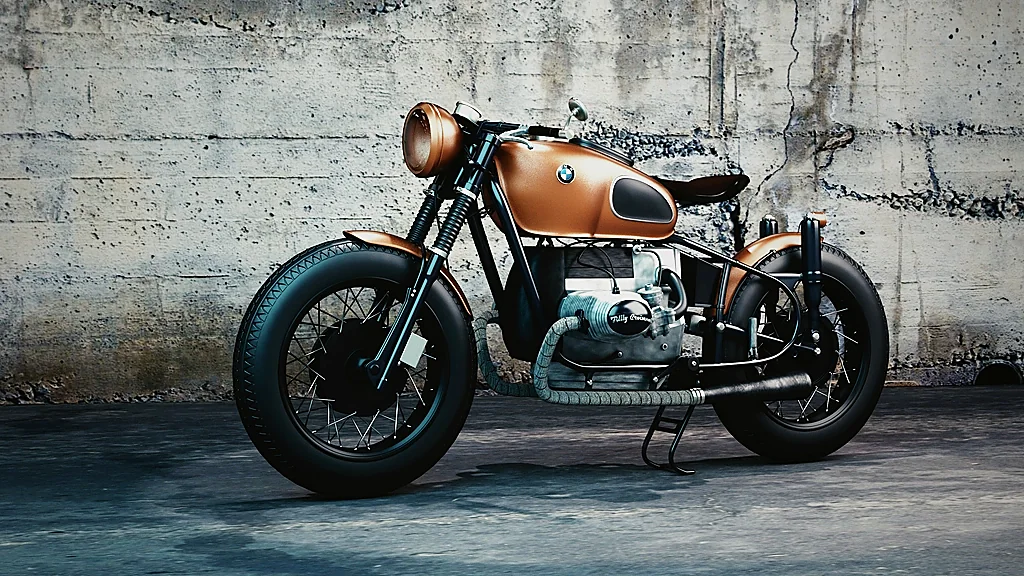
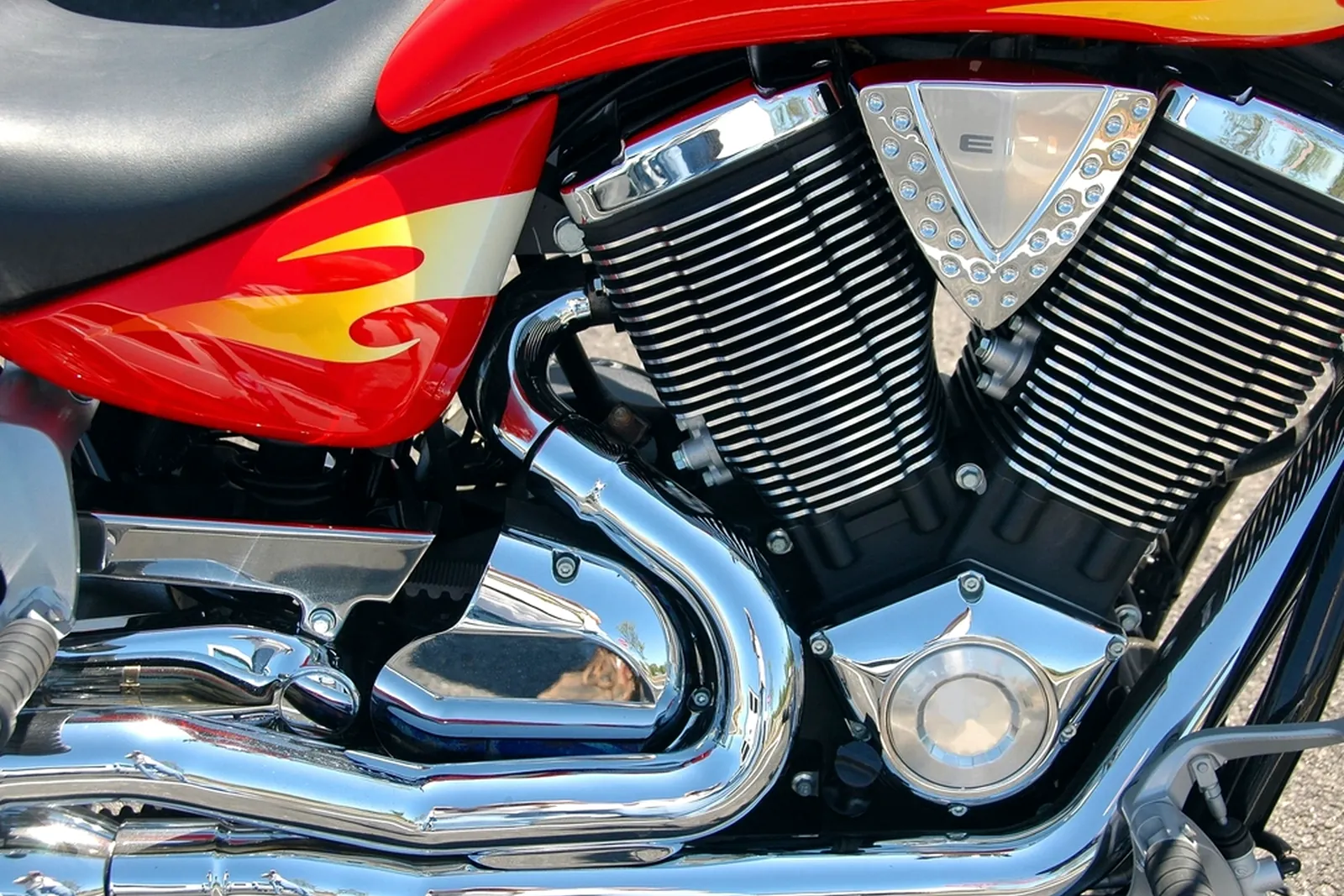
The CB150R is a liquid-cooled single with a modern chassis and a straightforward layout. That makes it a good custom base: there is room for a better seat, a different bar and a cleaner tail without rebuilding the whole motorcycle. The limits are the small engine, the standard suspension and the electrical system.
Start with the riding position
The naked bike layout gives the rider an upright position and good visibility. Before changing the style, decide whether the bike should be more comfortable, more aggressive or more capable on rough roads. A different bar, seat and peg position can transform the feel without touching the engine.
Check the reach to the levers and the clearance between the bar and the tank at full lock. A wide bar can hit the mirrors or the tank; a low bar can put weight on the wrists. Make the changes with the bike on a stand and test the steering lock before riding.
Exhaust, intake and fuelling
A slip-on muffler changes sound and weight; a full system changes the gas flow and usually needs a fuelling correction. A modern fuel-injected single runs closed-loop for part of its range, but a significant exhaust or intake change can still leave it lean or uneven. Use a reputable tuner or a manufacturer-supplied map.
Do not remove the airbox lid or fit a pod filter for the sound alone. The standard intake is designed to be quiet and to deliver stable air. If you change it, expect to correct the fuelling and accept more intake noise. Check local noise and emissions rules before committing.
Suspension and brakes
The standard suspension is built to a price. Fresh fork oil, correct springs for the rider's weight and a well-matched rear shock improve control more than a cosmetic lowering kit. Set the sag and test on the roads you actually ride.
The front brake is adequate for the bike's speed; keep it in good condition with fresh fluid, good pads and a clean disc. If you upgrade the brake, match it to the tyre and the fork. A powerful caliper on a soft fork can overwhelm the front end.
Bodywork, tail and lighting
A shorter tail and a smaller light can clean up the rear, but the subframe and the seat mounting must remain strong. Do not cut the tail without planning where the licence plate, indicators and brake light will go. The result must be legal and visible.
LED lighting can improve visibility, but the headlight needs a proper beam pattern and aim. Keep the mirrors and the horn. A naked bike with no front fender can throw debris into the radiator and the rider; a small, well-mounted fender is worth keeping.
Reliability and resale
Keep the original parts. A future buyer may prefer the standard bike, and the original bodywork is often worth more than the aftermarket parts. Service the valve clearance, oil and cooling system on schedule; a modified bike with a neglected engine is a false economy.
Document the build with photographs and receipts. A coherent, well-maintained custom is easier to sell than a collection of parts with no history. Avoid irreversible frame changes unless you are sure about the long-term plan.
Checklist
- Decide the riding position before choosing parts.
- Check bar, lever and mirror clearance at full lock.
- Correct fuelling after a major exhaust or intake change.
- Service the forks and set rider sag.
- Keep the front brake matched to the tyre and fork.
- Plan the tail, plate, indicators and brake light together.
- Verify the headlight beam pattern and aim.
- Keep the original parts and document the build.
Questions
Is the CB150R a good custom base?
Yes, for a simple naked bike build. It is light, supported and easy to work on. The small engine and standard suspension limit how far a performance build can go, so focus on fit, finish and reliability.
Do I need an ECU tune after an exhaust change?
A slip-on may not require one; a full system or a major intake change usually does. Listen for lean running, flat spots or excessive heat and have the fuelling checked by someone with the right equipment.
Can I lower the CB150R?
You can, but it reduces suspension travel and ground clearance. A lower seat or a different seat shape is often a better solution than shortening the suspension.