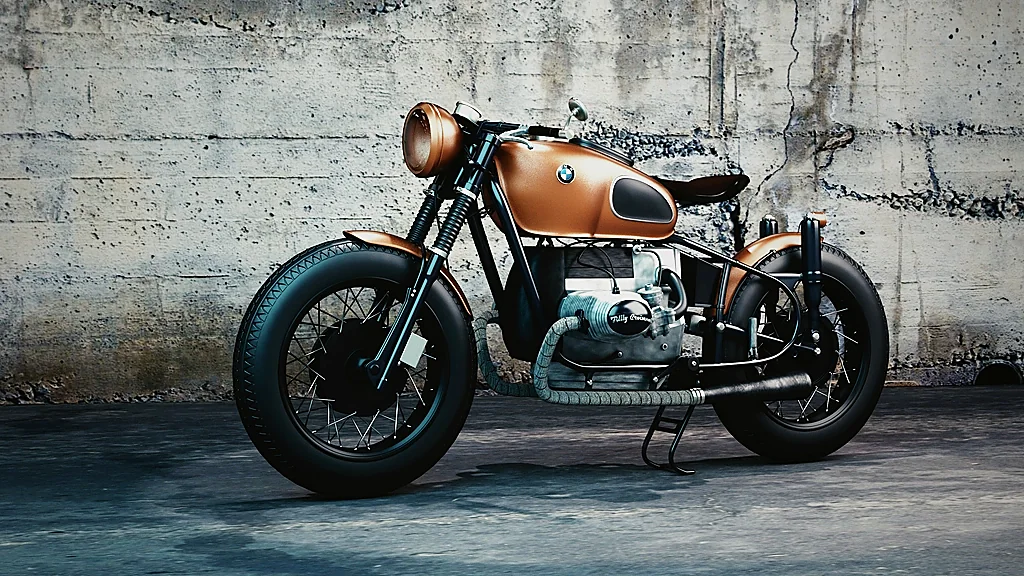
The XSR155 is a rare thing: a modern, liquid-cooled single with a retro look and a chassis that works in traffic. That makes it a good custom base, but the engine's variable valve system and the compact frame impose limits. The best builds work with the platform rather than against it.
Work with the standard silhouette
The XSR already has a round headlight, a simple tank and a flat-ish seat. The easiest way to improve it is to refine the proportions: a cleaner tail, a smaller light, a better seat and a bar that suits the rider. Avoid adding bodywork that fights the original lines.
Decide whether the bike should look more scrambler, more cafe racer or more tracker. Each direction implies different tyres, bars and suspension. A coherent direction is cheaper and more convincing than a mix of styles.
Bars, seat and riding position
A lower or wider bar changes the rider triangle and the steering feel. Check cable and brake-line length, and confirm the bar clears the tank at full lock. A bar that is too low puts weight on the wrists; a bar that is too wide can make traffic filtering harder.
A reshaped seat can improve comfort and change the visual line. Keep the seat pan strong and the foam waterproof. If you shorten the tail, plan the plate, indicators and brake light before cutting. The subframe must remain strong enough for the rider and a passenger if the bike is rated for one.
Exhaust and fuelling
A slip-on muffler is the simplest change; a full system or an airbox modification affects the mixture. The XSR155's engine uses variable valve actuation, so a significant change should be checked by someone with the right diagnostic equipment. A lean condition can cause heat and throttle response problems.
Keep the exhaust away from the rider's leg and the luggage. Support the muffler from the frame, use proper gaskets and check clearance at full suspension travel. Noise rules matter; a loud pipe can fail inspection and annoy the neighbourhood.
Suspension, brakes and wheels
The standard suspension is competent for the bike's speed. Fresh fork oil, correct springs and a well-matched rear shock improve control without changing the character. Lowering the bike reduces travel and ground clearance; a lower seat is often a better solution.
The front brake is adequate when maintained. Fresh fluid, good pads and a clean disc are more important than a bigger caliper. If you change wheels or tyres, keep the sizes proportional and check clearance and speedometer accuracy.
Lighting, finish and reliability
A smaller LED headlight can clean up the front, but the beam pattern and aim must be correct. Keep the mirrors, indicators and a visible brake light. A retro bike with modern lighting is a good combination if the parts are chosen carefully.
Service the valve clearance, oil and cooling system on schedule. A custom bike with a neglected engine is not a bargain. Keep the original parts and document the build; a coherent, maintained XSR is easier to sell than a pile of bolt-on parts.
Checklist
- Choose one style direction before buying parts.
- Check bar, cable and brake-line clearance at full lock.
- Keep the seat pan and subframe strong.
- Plan the plate, indicators and brake light before cutting the tail.
- Correct fuelling after a major exhaust or intake change.
- Service the forks and set rider sag.
- Verify the headlight beam pattern and aim.
- Keep the original parts and document the build.
Questions
Can I fit a larger engine to the XSR155?
That is a major engineering and legal change. It affects the frame, brakes, suspension, electrical system and registration. For most riders, a well-maintained standard engine is the better choice.
Does a slip-on exhaust need a tune?
Not always, but a full system or an airbox change usually does. Watch for lean running, flat spots and excessive heat, and have the fuelling checked.
Is the XSR155 good for long trips?
It can cover distance, but the small tank, upright seating and limited wind protection suit shorter rides. Check the seat, tyres and luggage before a long tour.