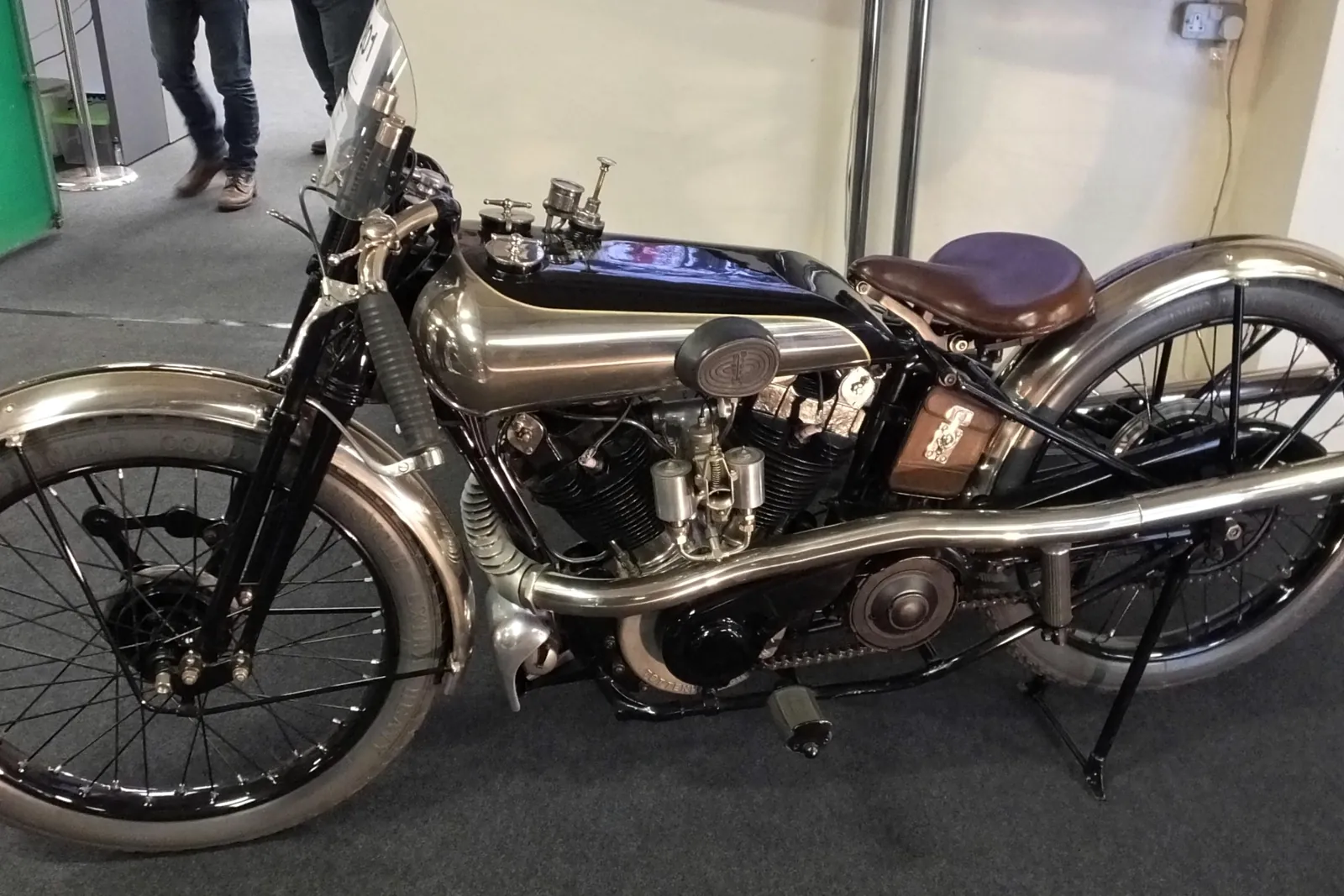
Comfort is a system. A seat that feels good in the showroom can be painful after an hour if it puts pressure in the wrong place or changes your reach to the bars.
Assess the pressure
A seat that is too narrow puts pressure on the sit bones; too soft foam compresses and creates hot spots. Width and shape matter more than thickness.
Check whether you slide forward or backward. A sloping seat changes bar reach and wrist load.
Check the triangle
Seat height, bar position and peg position form a triangle. Lower bars or higher pegs increase the load on wrists and knees.
A small change in bar height or seat foam can transform comfort. Measure before buying.
Consider a custom seat
A custom seat can add width, change foam density and reshape the step. It is often cheaper than changing the bike.
Keep the original seat so the bike can be returned to standard.
Ride and adjust
Take breaks, stand on the pegs and stretch. No seat is comfortable forever.
If pain persists, check bike fit and medical issues rather than buying another seat.
Checklist
- Seat width and shape.
- Foam density and compression.
- Bar reach and height.
- Peg position and knee angle.
- Sliding forward or backward.
- Custom seat options and original retention.
- Riding breaks and hydration.
Questions
Is a gel seat better?
Not always. Gel can be hot and heavy, and it can compress. Foam density and shape matter more.
Can I lower the seat?
Yes, but check the effect on legroom and handling. A lower seat may reduce foam and comfort.
Why do my wrists hurt?
Bar reach, seat slope and core strength all contribute. Adjust the triangle before blaming the seat.