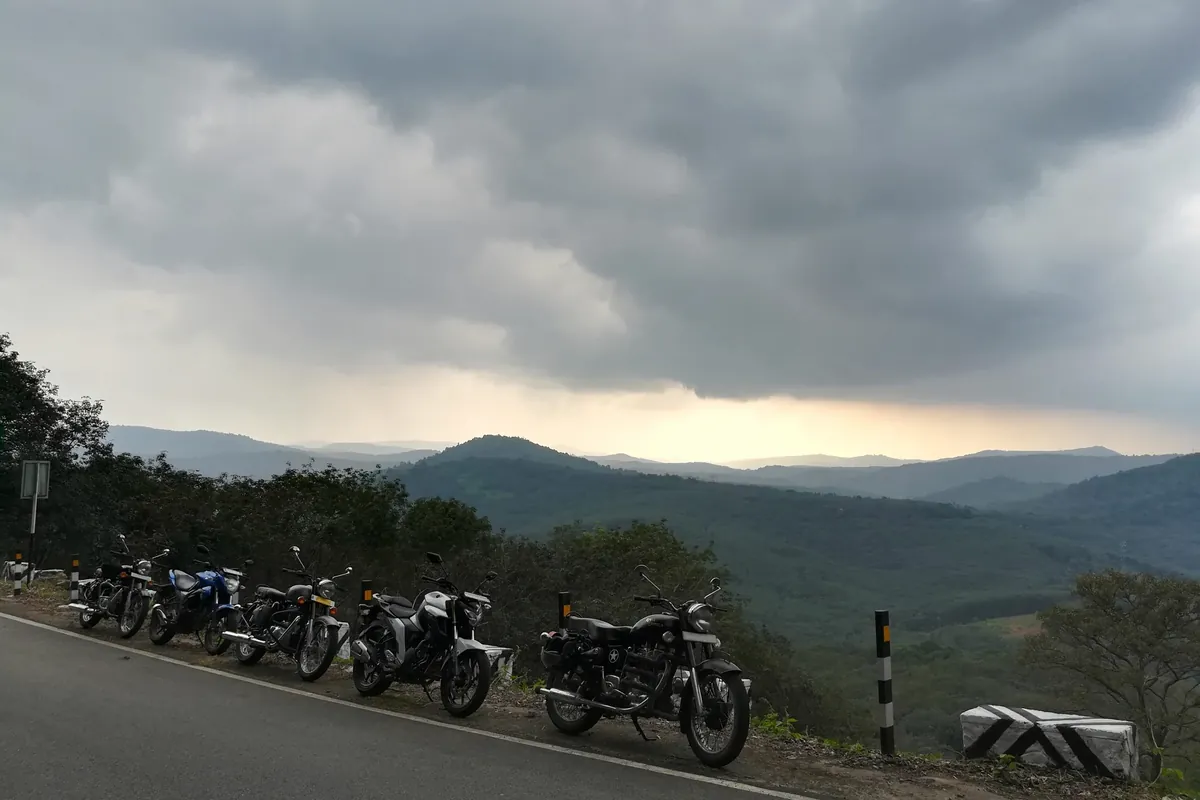
A test ride is the only way to feel the things a static inspection cannot: a slipping clutch, a vague front end, a wheel bearing, a vibration at speed. It also carries risk, because you are riding an unfamiliar machine that may have faults. The answer is a short, structured route and a clear list of what you are testing.
Test route plan
| Section | What to test | Time |
|---|---|---|
| Quiet street | Clutch bite, low-speed steering, brakes at walking pace | 2 minutes |
| Open road | Acceleration, gearbox, vibration, mirrors | 4 minutes |
| Rough patch | Suspension, rattles, steering stability | 1 minute |
| Straight stop | Brake feel, ABS operation if fitted, pulling | 1 minute |
| Return loop | Slow turn, U-turn, final listen | 2 minutes |
Before the ride: agree the terms
Confirm that you are licensed to ride the class, that the bike is taxed and insured, and that the seller agrees to the route. If you are not insured, a fall becomes a negotiation you cannot win. Some sellers will ask for a deposit or hold your ID; agree in writing on your phone before you leave.
Ask the seller not to warm the engine. A cold start is part of the test. If the bike is already warm when you arrive, note it and plan to return another day for a cold start.
Start with the controls standing still
Before you ride, sit on the bike and operate everything: clutch, throttle, both brakes, indicators, horn and lights. Check that the bars turn freely and that the throttle returns on its own. On a scooter, check that the brake holds the bike on a slope.
Adjust the mirrors and note whether they show the lane beside you. A mirror that cannot be adjusted is a safety problem on the ride home in traffic.
The first two minutes: clutch and low speed
Pull away slowly and feel the clutch bite point. It should be progressive, not a sudden grab or a slip. On a CVT scooter, the take-up should be smooth without a shudder or a delay. Ride at walking pace and use the front brake gently to feel for a warped disc or a spongy lever.
Do a slow figure-eight in a quiet area. A bike that fights a low-speed turn has a steering, tyre or geometry problem. This is also where you notice whether the bars hit the tank or the rider's knees.
The open road: gears, vibration and tracking
Accelerate through the gears and listen for a gear that is hard to select, jumps out or whines. On a manual bike, check that the clutch does not slip under acceleration in a high gear. On a scooter, listen for a belt squeal or a hesitation at a steady throttle.
At 60 km/h, loosen your grip slightly and feel whether the bike tracks straight. A pull to one side can be a bent fork, a misaligned rear wheel or a worn tyre. Notice vibration through the bars and pegs; some is normal, a new buzz at a specific speed is not.
The rough patch and the stop
Ride over a rough section at a sensible speed. Listen for a rattle from the bodywork, a clunk from the suspension or a knock from the steering head. A bike that feels vague or bouncy over a bump needs suspension work.
Find a straight, empty section and brake firmly from about 50-60 km/h using both brakes. The bike should stop straight without a pulsing lever or a shudder. If it has ABS, feel for the system engaging; a light that stays on afterwards is a fault.
The return: slow turn and final checks
Ride back at a calm pace and listen for noises that appear when the bike is hot. Check the temperature gauge or warning lights. Park it, leave it idling for a minute and look for smoke or a new leak.
Feel the brake discs and the rear hub. A disc that is too hot to touch after a gentle ride suggests a dragging brake. A hub that is hot may have a bearing or brake problem. Note everything before you negotiate.
What ends the test
Stop the ride if the brakes are weak, the steering is vague, the engine knocks or the gearbox refuses a gear. You do not need to complete the route to justify walking away. A seller who pressures you to keep riding a faulty bike is not a seller to trust.
If the bike passes, ask for a workshop inspection before payment. A test ride confirms feel; a compression check and a lift confirm structure.
The bottom line
Use a short, planned route: low speed, open road, rough patch, straight stop. Stop immediately if the brakes, steering or engine are wrong, and get a workshop check before you pay.IndoBikes workshop
Checklist
- You are licensed and insured to ride the bike
- The engine is cold at the start
- The throttle returns and the bars turn freely
- The clutch or CVT takes up smoothly
- Gear selection is clean and the clutch does not slip
- The bike tracks straight at 60 km/h
- Brakes stop straight without pulsing
- No new knock, rattle or leak when hot
Questions
Do sellers usually allow test rides?
Many private sellers do, especially if you show a licence and agree on the route. A seller who refuses any test ride is a reason to walk away, not to buy blind.
What if I am not insured to ride the bike?
Do not ride it on the road. Ask the seller to ride it while you listen, or arrange a workshop inspection. Riding uninsured risks a dispute you cannot afford.
How long should a test ride be?
About ten minutes on a mixed route is enough to reveal most faults. A longer ride helps on a touring bike, but the key checks are low speed, open road, a rough patch and a firm stop.
Can I test ride without a licence?
No. Ride legally and within the conditions of your licence and insurance. A car park ride is not a substitute for a road test, but it does not remove the legal requirement.

