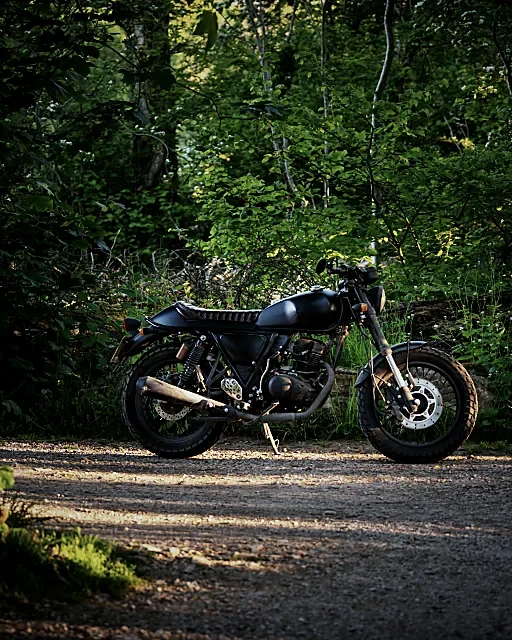
The CB150R Streetfire is a compact naked with a liquid-cooled DOHC engine. A street tracker build gives it a flatter seat, a wider bar and a cleaner tail. The challenge is to keep the proportions balanced and the road equipment legal.
At a glance
| Area | Practical change | Constraint |
|---|---|---|
| Seat | Flat seat on a bolt-on base | Cutting the frame is permanent |
| Bars | Wide bar with standard cables | Too wide is tiring and unsafe in traffic |
| Fender | High front fender with a rigid bracket | Clearance at full travel |
| Tyres | Dual-purpose compound | Less wet grip on asphalt |
| Exhaust | Short, high, baffled system | Noise and fuelling |
| Lighting | Small legal headlight and taillight | Visibility and beam pattern |
The street tracker recipe
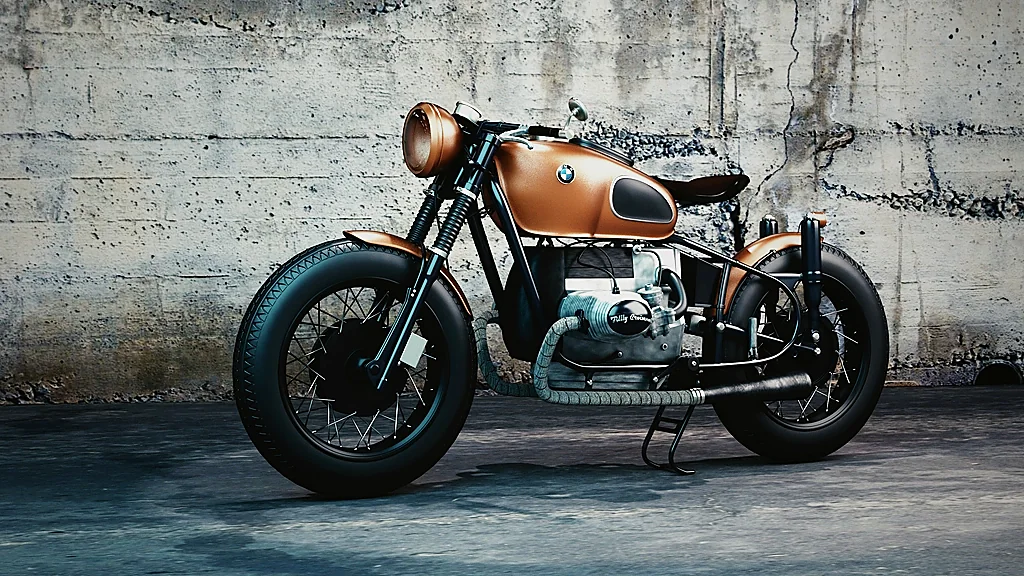
A flat seat, a wide handlebar, a small headlight, a high front fender and a pair of dual-purpose tyres create the look. A short rear fender and a compact taillight clean up the tail.
The CB150R's tank is angular and the frame is compact. A very wide bar can look oversized. Choose a width that suits the bike and does not make filtering dangerous.
Seat, tail and frame
A flat seat can be built on the standard pan or a bolt-on base. Keep the original seat if you want to reverse the change. Cutting the rear frame is permanent and can affect the structure and resale.
A short rear fender must still keep spray off the rider and the lights. A tail tidy that leaves the plate and the light visible is safer and more legal than a deleted fender.
Suspension and wheels
The street tracker look often comes with a taller stance. Longer rear shocks and stiffer fork springs can raise the bike, but they change the steering and the stand height. Keep the change modest and check the chain and brake line clearance.
Dual-purpose tyres look right but offer less grip on wet asphalt. Choose a compound that matches your riding. Check the rim width and the tyre clearance before fitting.
Lighting and electrics
A small round headlight and a compact taillight suit the tracker look. The beam pattern must be legal and the light must be visible. Do not remove the indicators or the brake light for a cleaner tail.
Use plug-in adapters and a fused circuit for accessories. The CB150R's charging system is sized for the standard equipment. A brighter bulb and a phone charger can exceed the margin.
Exhaust and engine
A short, high-mounted exhaust can suit the tracker style and improve ground clearance. It must be legal, baffled and compatible with the fuelling. A straight pipe is loud and can lean the mixture.
The DOHC engine is reliable when maintained. Do not chase power with a big-bore kit unless you are prepared for the braking, cooling and registration consequences.
The workshop plan
Service the engine, coolant, chain and brakes first. Then fit the seat, bars and lighting. Suspension and tyres next. Paint and bodywork last.
Use a workshop for suspension geometry, exhaust fabrication and electrical work. A street tracker should be stable at speed and comfortable enough to ride to the next town.
The bottom line
The CB150R street tracker is a proportions game. A flat seat, a sensible wide bar, a high fender and a clean tail change the look. Keep the frame, the road equipment and the fuelling legal, and do not trade wet grip for style without thinking about the rain.IndoBikes workshop
Checklist
- Service the engine, coolant, chain and brakes first.
- Choose a bar width that suits the bike and traffic.
- Build the flat seat on a bolt-on base if possible.
- Keep the plate, light and indicators visible.
- Raise the suspension modestly and check clearance.
- Choose tyres that work in the rain.
- Use a legal, baffled exhaust.
- Keep the original seat and panels for resale.
Questions
What is a street tracker?
A street tracker takes the flat seat, wide bars and clean tail of a flat-track race bike and applies them to a road machine. It is a style, not a performance category.
Can I fit a high front fender?
Yes, with a rigid bracket and enough clearance at full fork travel. A flexible fender can contact the tyre.
Do I need dual-purpose tyres?
Not necessarily. They complete the look but offer less wet grip on asphalt. Choose a tyre that suits the roads you actually ride.