The cuff is the part of a glove you interact with most and think about least. It decides whether the glove stays on in a pull, whether rain runs down your sleeve, and whether you can close it with cold or tired hands. Two gloves with the same palm can behave very differently because of the cuff.
Glove cuff closures
| Closure | Security | Adjustability | Ease with gloves | Watch for |
|---|---|---|---|---|
| Hook-and-loop strap | Good when clean | High | Easy | Lint, worn hooks |
| Ratchet or buckle | High | Moderate | Easy | Bulk, broken teeth |
| Elasticated cuff | Moderate | Low | Easy | Stretch loss |
| Drawcord gauntlet | High over a sleeve | High | Moderate | Cord wear, bulk |
| Snap or press stud | Low to moderate | Low | Easy | Pops open |
The cuff is a closure system
A cuff combines an opening, a stiffener or padding, and a closure. The closure has to hold the glove on the hand and compress the opening around the wrist or sleeve. If it loosens, the glove can be pulled off in a fall. If it is too tight, it restricts blood flow and numbs the hand on a long ride.
Hook-and-loop, ratchet and elastic
Hook-and-loop straps are common, adjustable and easy to replace, but they clog with lint and lose grip over time. Ratchet or buckle closures hold more consistently and are easier to operate with gloves on, but they add bulk and can break. Elasticated cuffs are simple and comfortable but offer limited adjustment. Each has a maintenance cost.
Cuff circumference and jacket interface
A gauntlet cuff must be wide enough to go over a jacket sleeve and tight enough to seal. A short cuff must sit under the sleeve without bunching. Measure the sleeve at the wrist and compare it with the cuff opening; a glove that only just closes over a summer sleeve will not close over a winter one.
Wrist coverage and the scaphoid
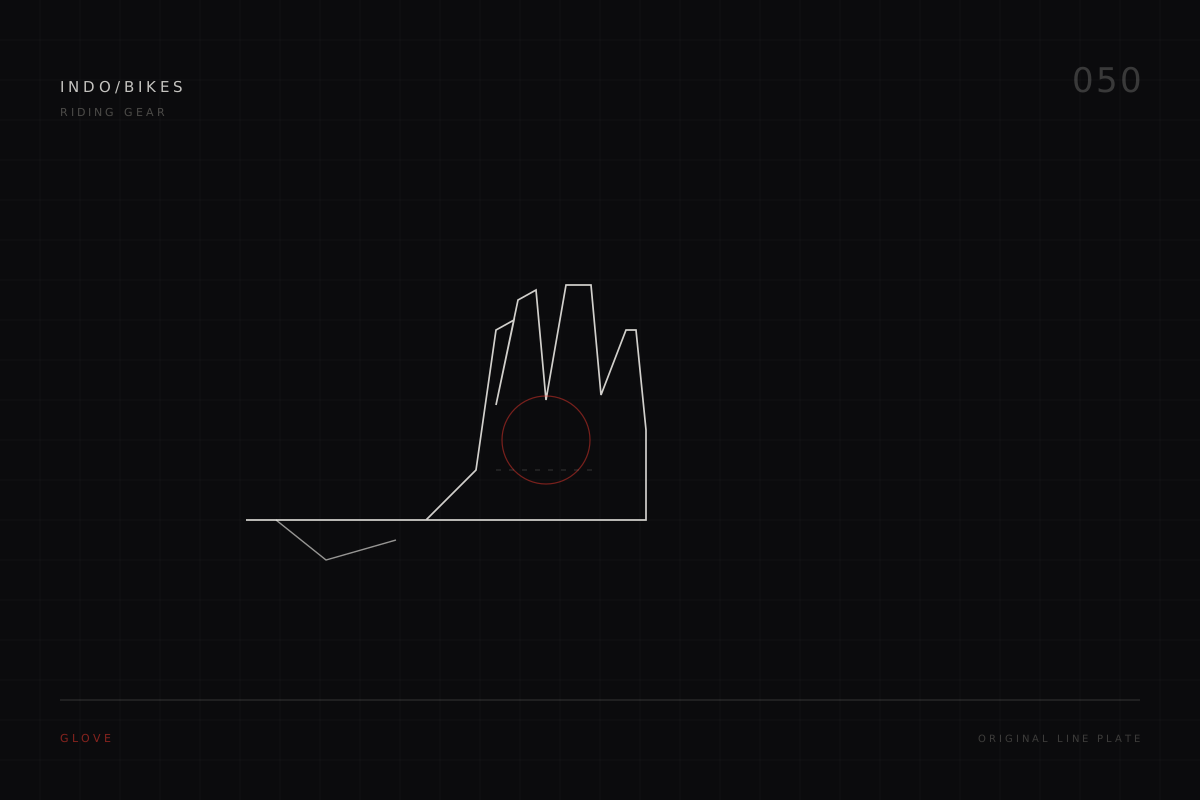
The cuff should cover the wrist bone without pressing on it. A cuff that ends exactly on the bone concentrates pressure there and leaves the area exposed when the hand bends. Longer cuffs cover more, but they must still allow the wrist to move freely when you turn the bars.
Testing the closure
Fasten the cuff, then pull the glove from the fingers with moderate force. The closure should hold and the cuff should not roll. Open and close it several times with one hand; if it needs two hands or a hard pinch, it will be worse in the rain. Check that the strap end does not flap into the wind.
Wear, care and replacement
Straps fray, hook-and-loop loses grip and buckles crack. Clean the closure as the maker instructs, and replace the glove when the closure no longer holds. A cuff that lets go at speed is a serious failure, and it is not repairable in a way that preserves the original certification.
Cuff and sleeve order in rain
In rain, the order of the cuff and sleeve decides where water goes. A gauntlet cuff is usually worn over the jacket sleeve so water runs off the glove, but some jackets are designed to go over the glove cuff. Check the jacket's manual and test the combination in the sink before a wet ride.
A short cuff worn under a sleeve can channel water into the glove. A long cuff worn under a tight sleeve can be uncomfortable and may not seal. The right order depends on the design, but the principle is the same: water should run past the glove, not into it.
Cuff fit for small wrists
Riders with small wrists often find that a glove fits the hand but the cuff is too wide. A wide cuff can let water in and may not hold the wrist securely. Look for a cuff with two adjustment points or a design that tapers toward the wrist.
Do not simply tighten a wide cuff until it wrinkles; the folds can press on the wrist and create a leak path. If the cuff cannot be adjusted to fit, try a different glove or a women's-specific fit. A secure, comfortable cuff is part of the protection, not an afterthought.
Checklist
- Fasten the cuff and pull the glove from the fingers.
- Check that the cuff covers the wrist bone without pressing on it.
- Try the closure with one hand and with a wet hand.
- Compare the cuff opening with your jacket sleeve.
- Check that the strap end cannot flap loose at speed.
- Inspect hook-and-loop or ratchet wear each season.
- Replace the glove when the closure stops holding.
Questions
Should the cuff go over or under the jacket sleeve?
A gauntlet usually goes over the sleeve so water runs over the glove, and the closure seals against the sleeve. A short glove goes under the sleeve. The important thing is that the two overlap and the closure can tighten.
Are ratchet closures better than hook-and-loop?
They hold more consistently and are easier to use with gloves on, but they add bulk and can break. Hook-and-loop is lighter and easier to replace. Fit and condition matter more than the type.
How tight should a glove cuff be?
Tight enough to stay closed when pulled, loose enough that it does not press on the wrist bone or restrict blood flow. If your hand tingles or the cuff leaves a deep mark, it is too tight.
Can I repair a broken cuff closure?
A strap can sometimes be replaced if the maker supplies parts. Repairs that change the closure are not covered by the original certification. If the closure no longer holds, replace the glove.