Knowledge library — Riding skills
Riding Skills: What to Practise, and What Not to Learn in Traffic
Twenty guides to machine control, road strategy, bad surfaces and riding with a passenger or a group. Technique first, speed later.
20 guides
Most riding advice fails at the same point: it describes what a skilled rider does without explaining how the skill was built. Countersteering is not a trick to try at speed on a public road. It is a consequence of how a motorcycle steers, and it is learned at walking pace on a closed surface with an instructor.
These guides split riding into four layers: control of the machine at low and normal speed, a strategy for reading traffic, technique for surfaces and weather, and the extra demands of a passenger, luggage or a group. Each page states the risk, the protective equipment and the point where supervised training is the right answer.
They are not a substitute for a licence course. Riding without a valid licence and proper training is both illegal and dangerous. Use these pages to understand a technique before you practise it, and to ask better questions of an instructor.
Riding techniques are described for understanding and for use under instruction. Nothing here is a suggestion to experiment on a public road.
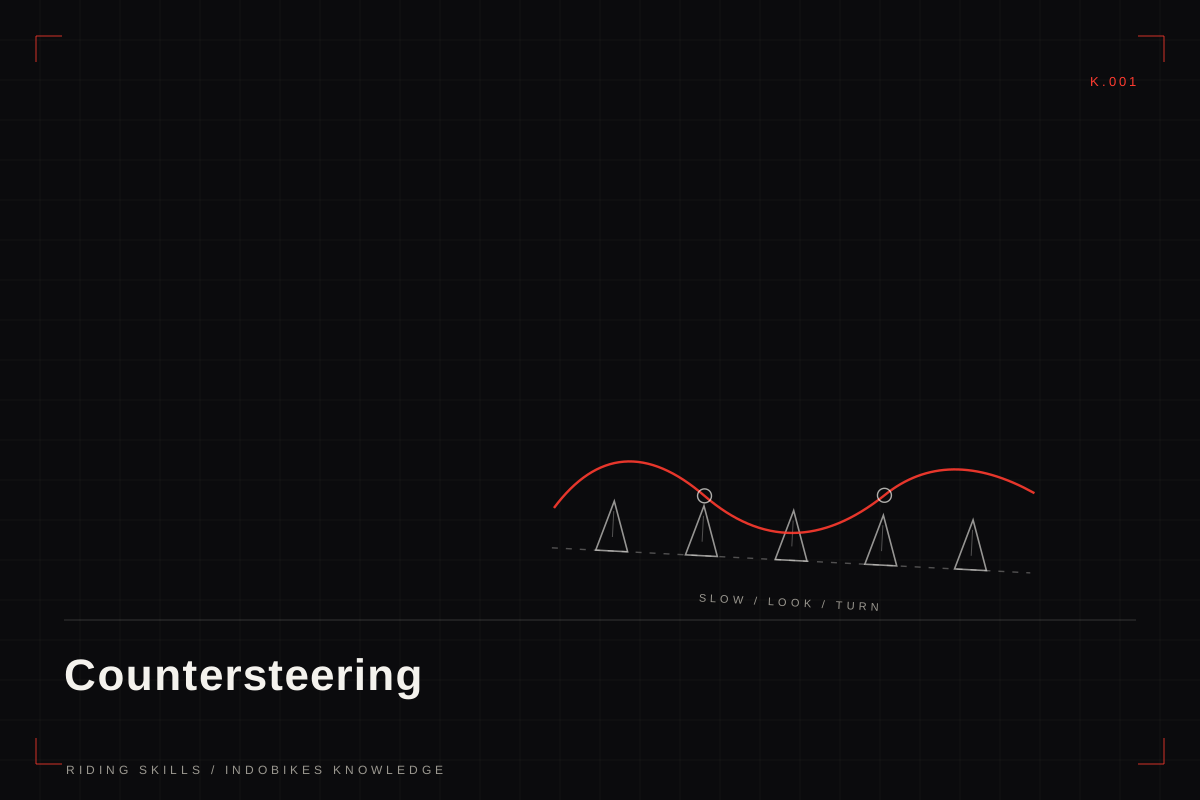
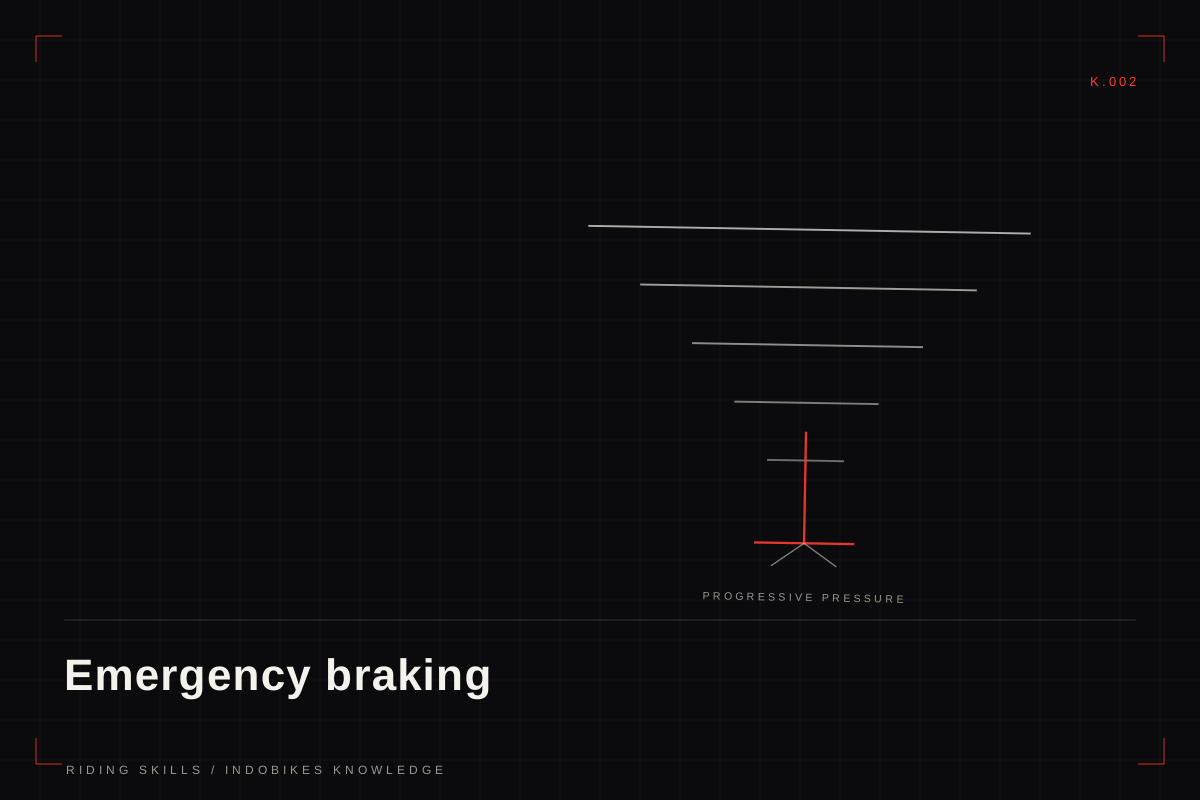
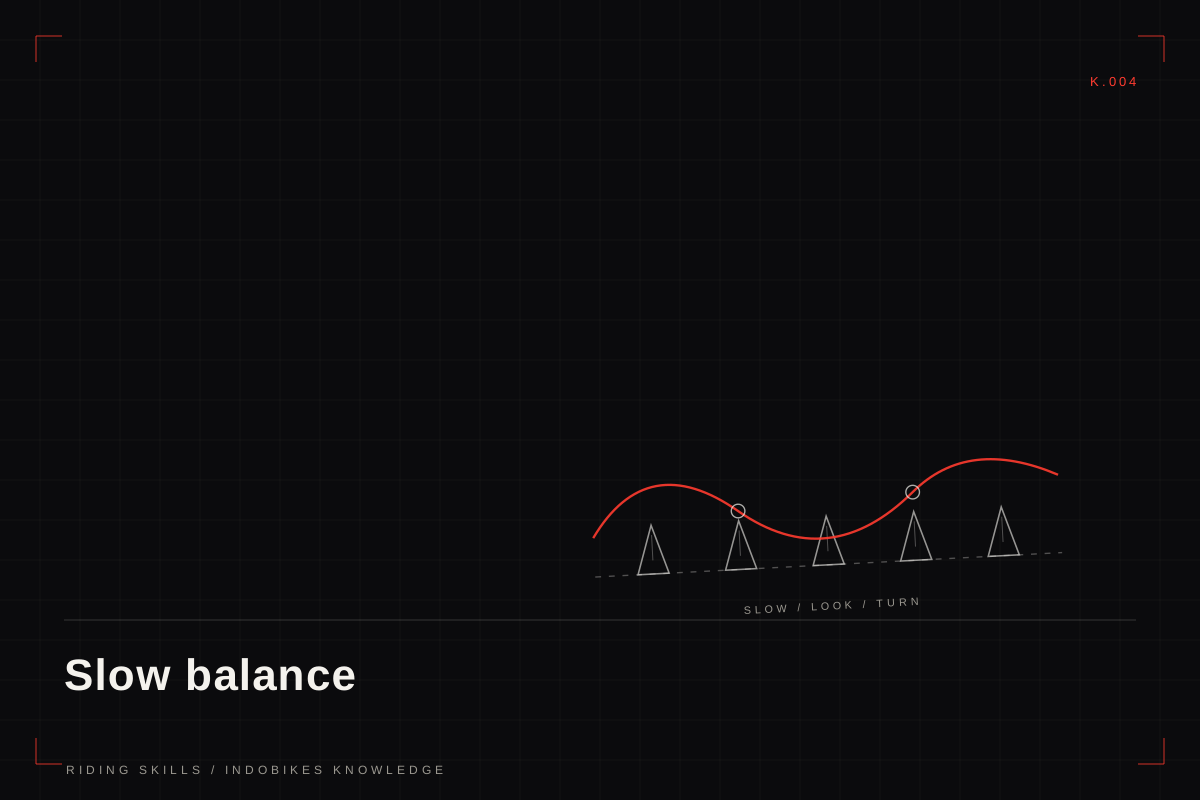
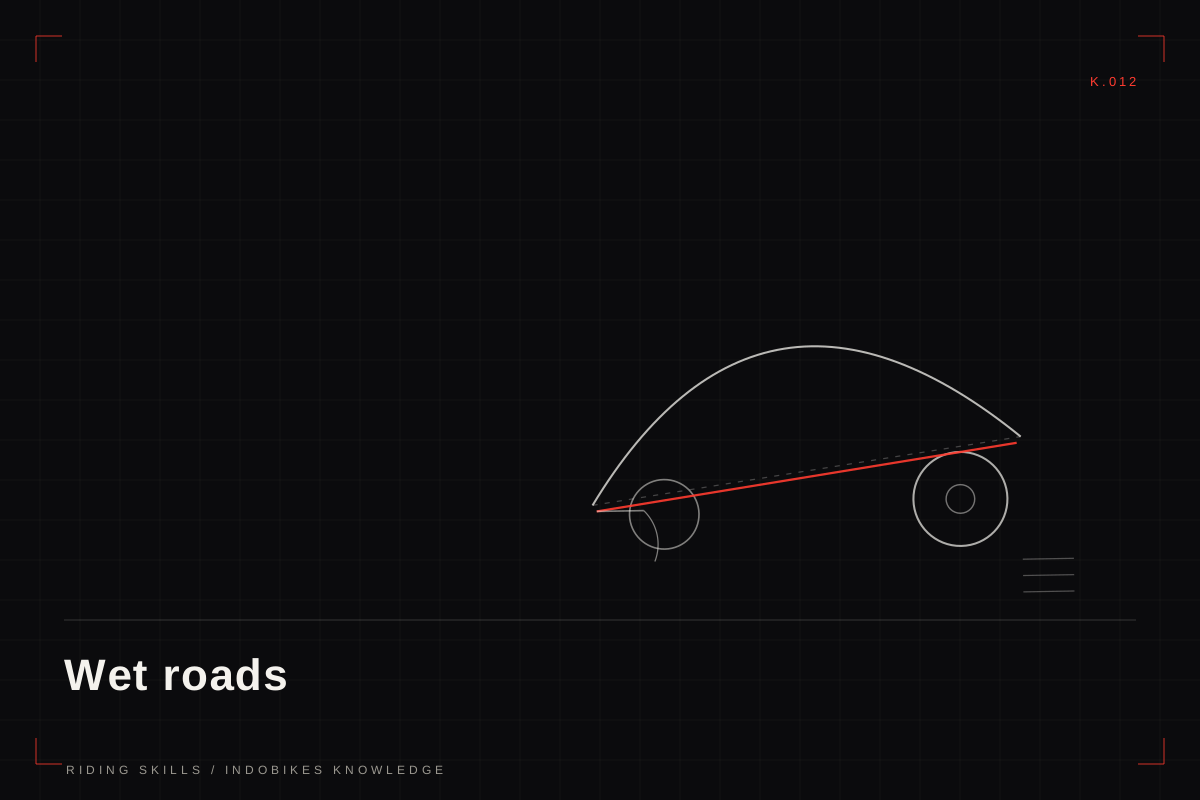
01 Riding skills
Control & balance
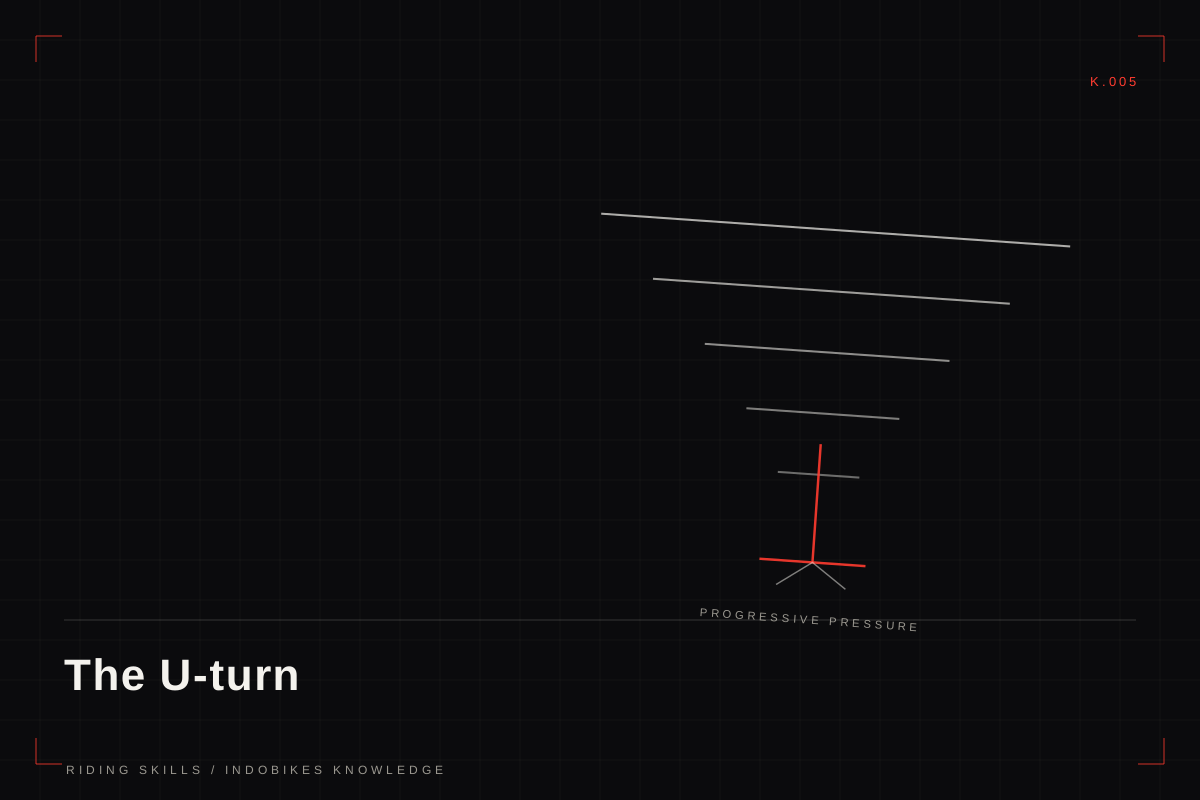
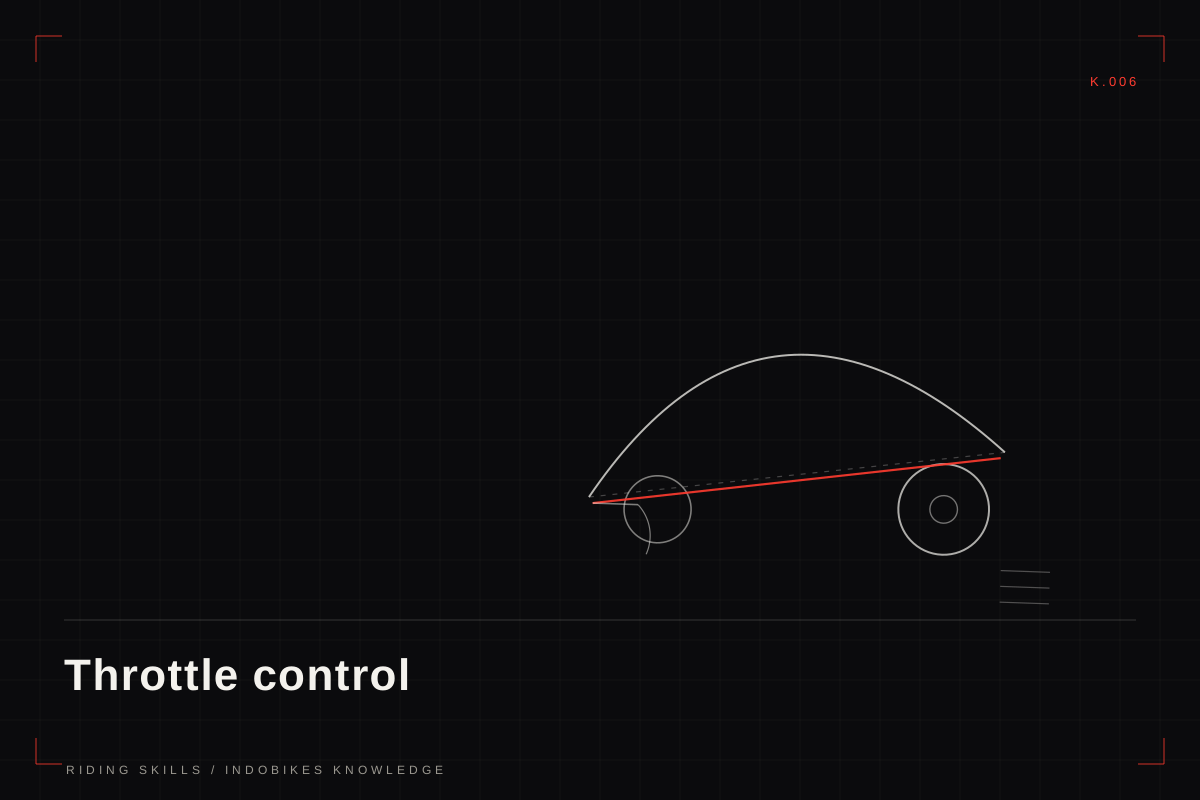
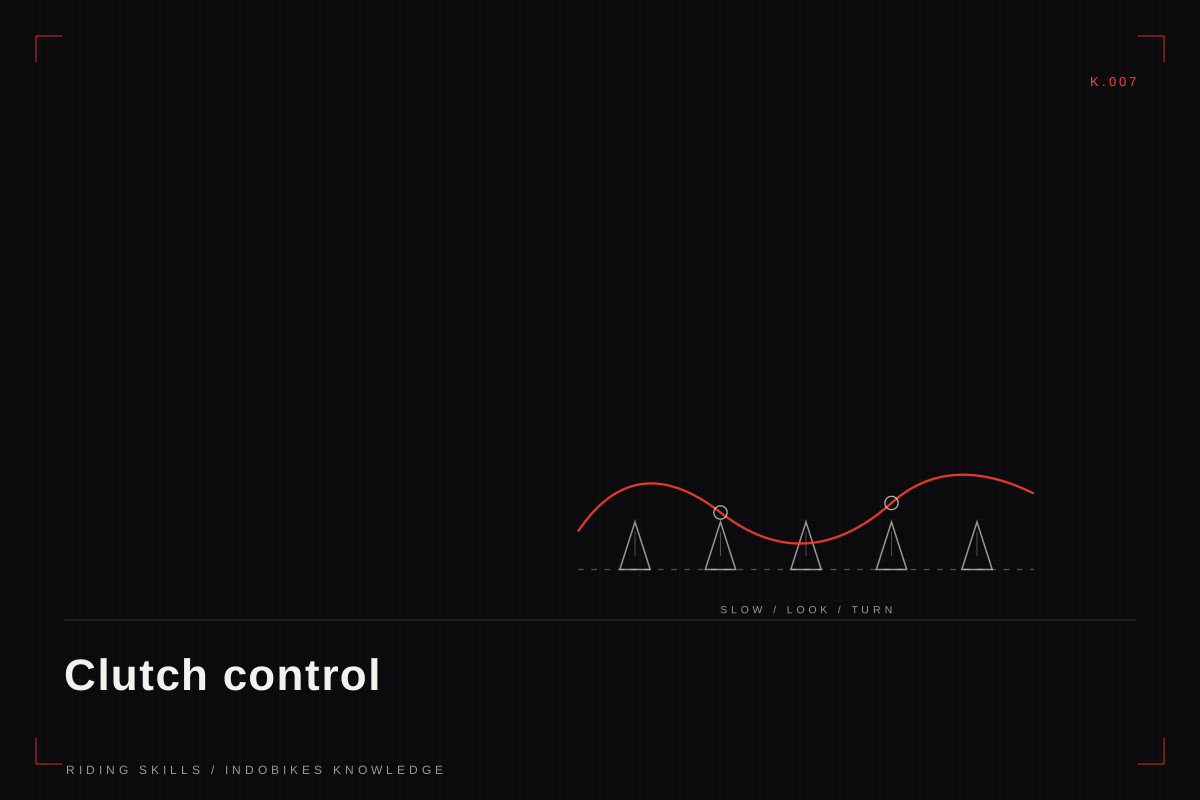
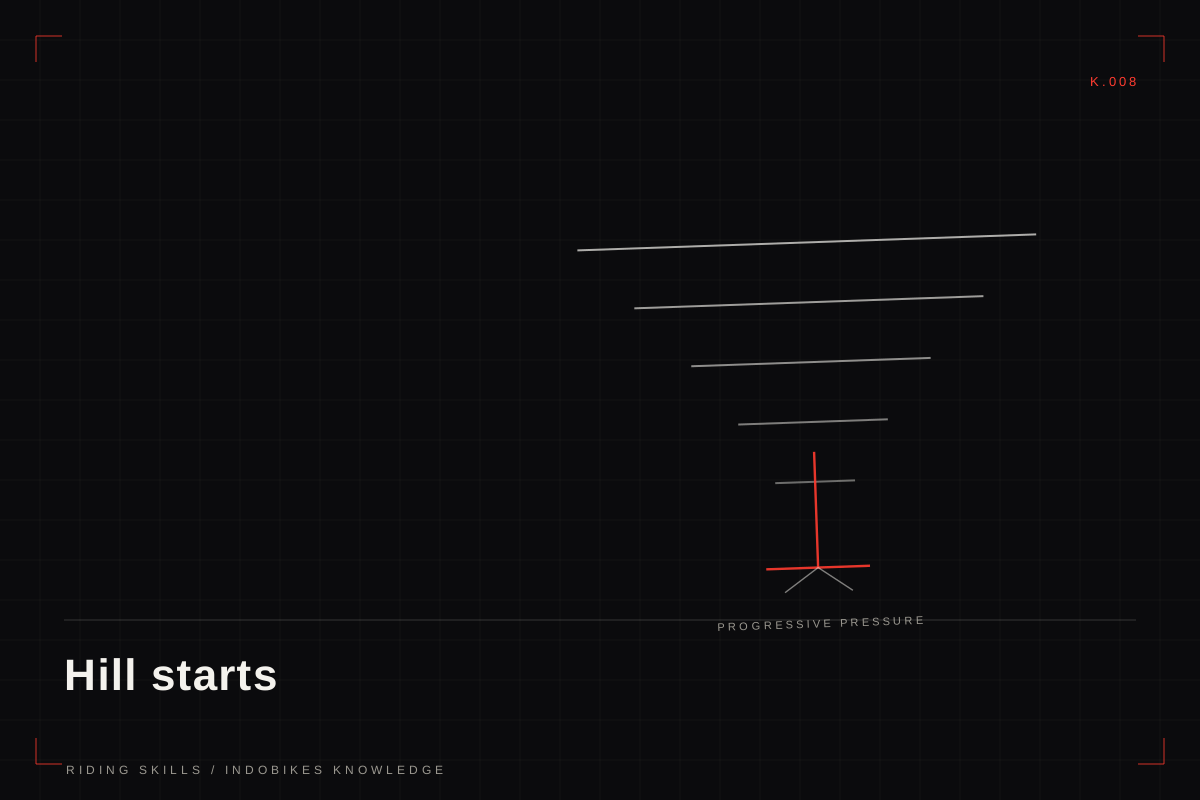
Clutch, throttle, brakes and the slow-speed work that makes them usable.
02 Riding skills
Road strategy
Position, sight lines, distance and the assumptions other road users make.
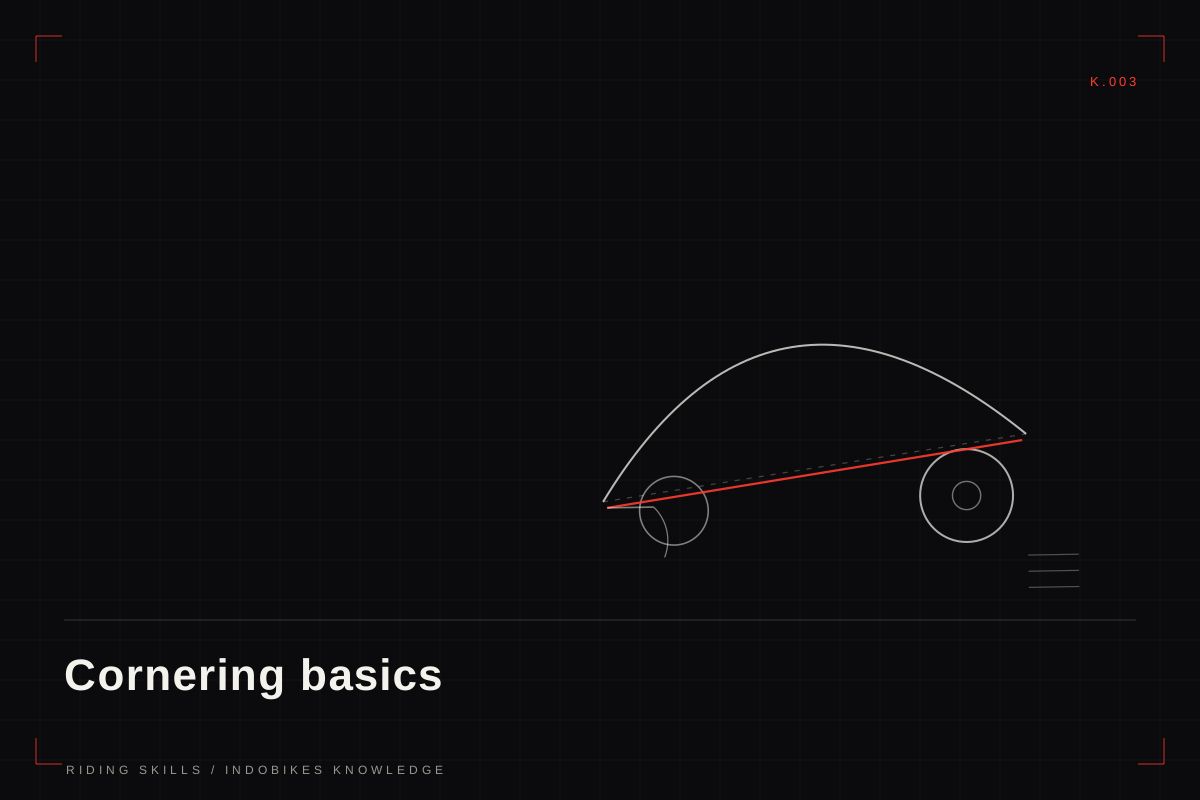
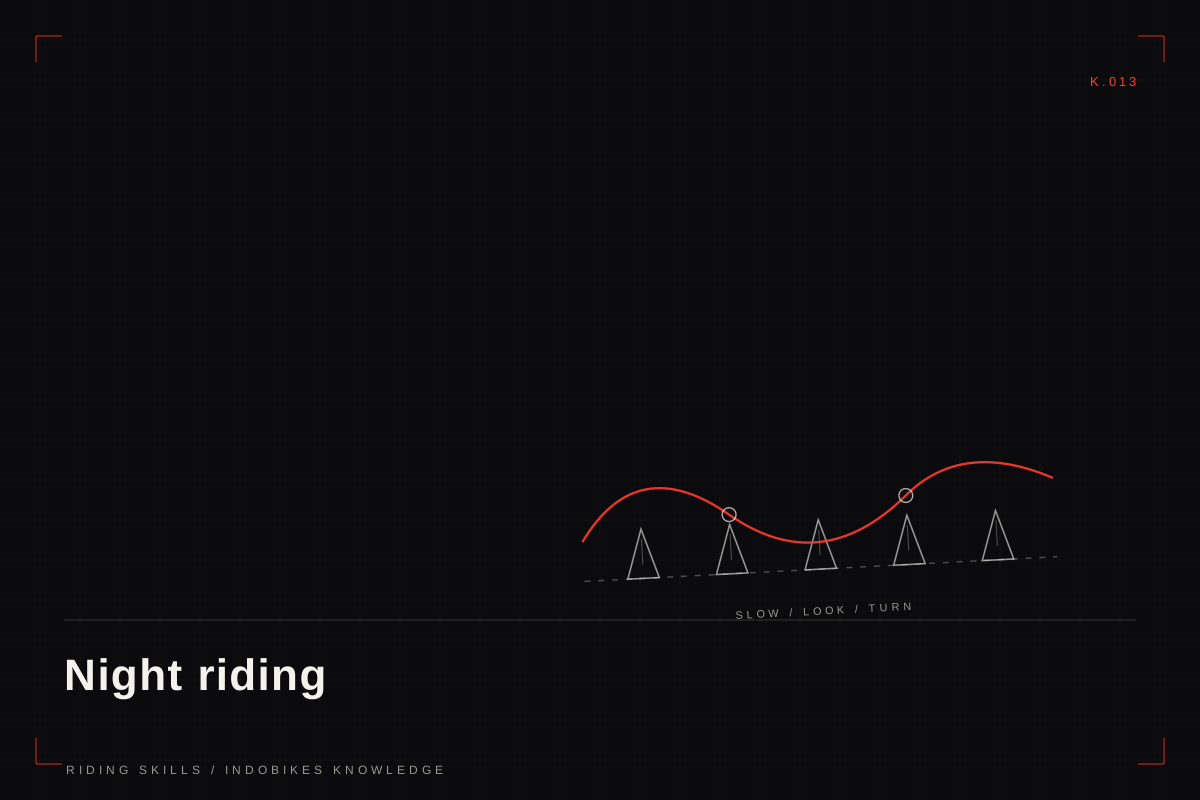
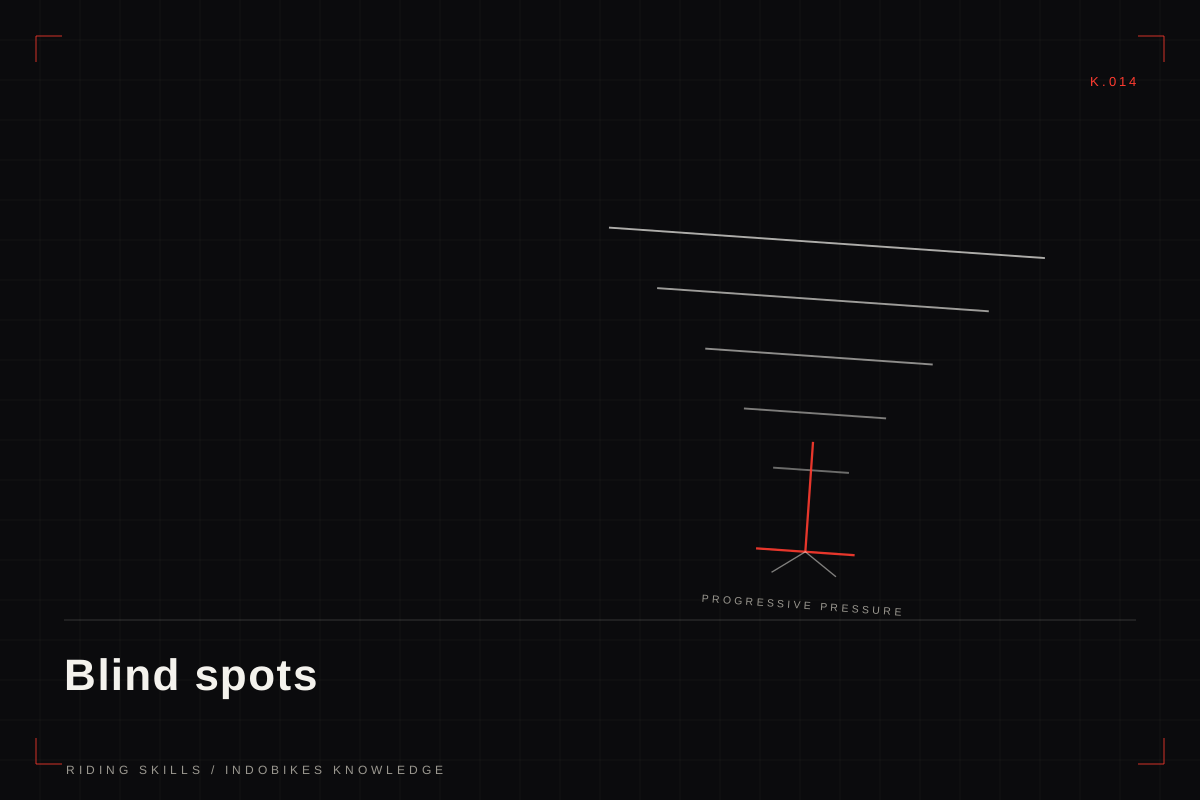
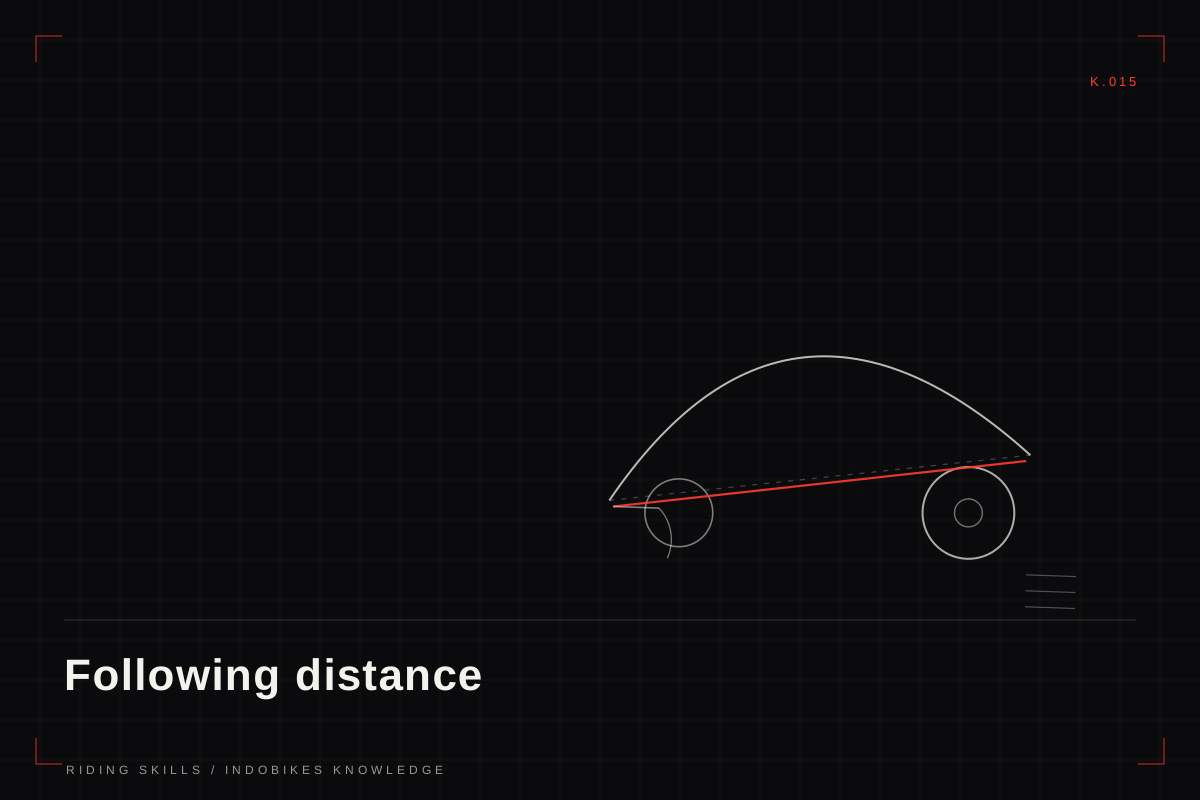
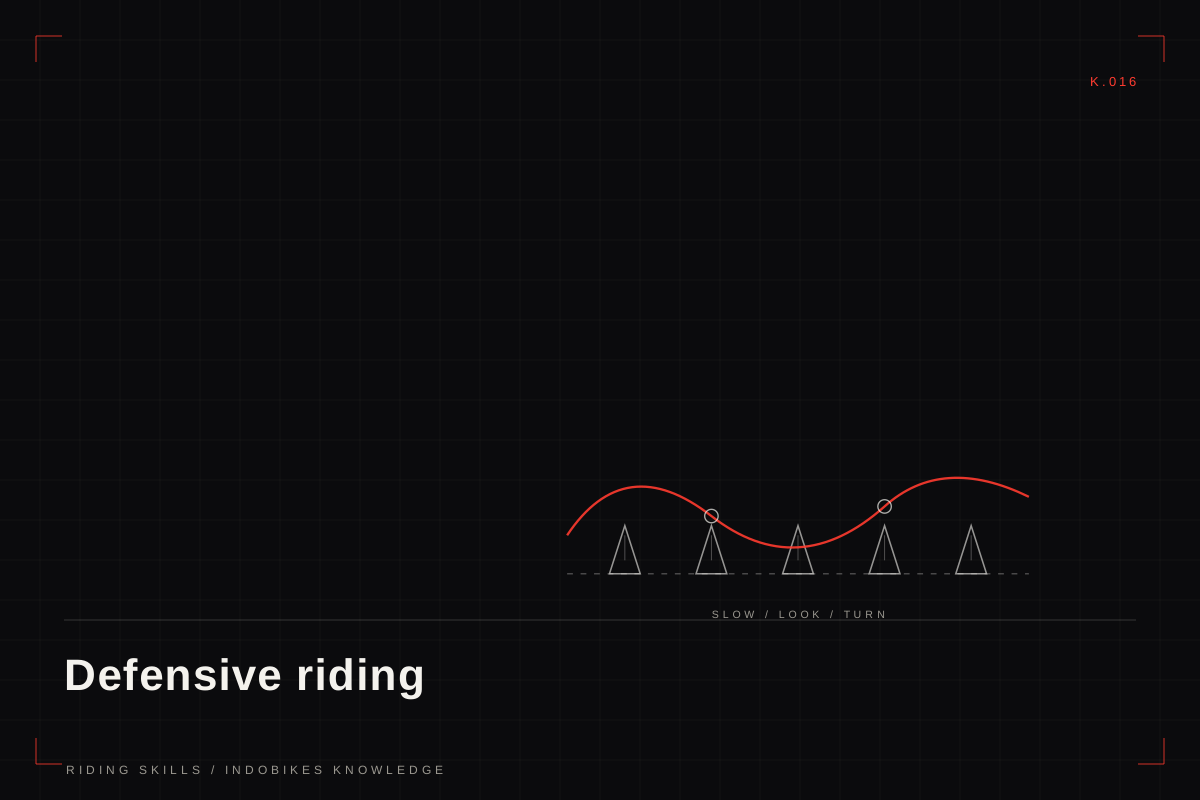
03 Riding skills
Weather & surfaces
Wet tarmac, gravel, crosswinds and descents.
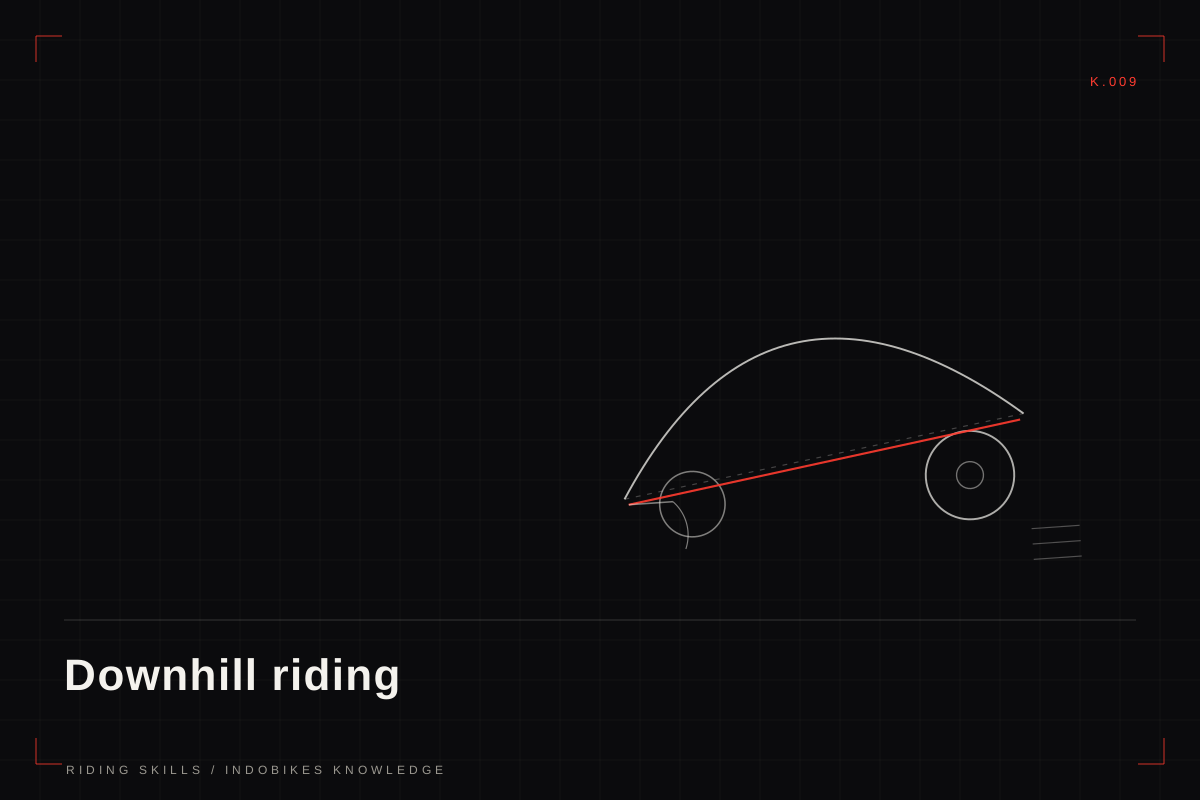
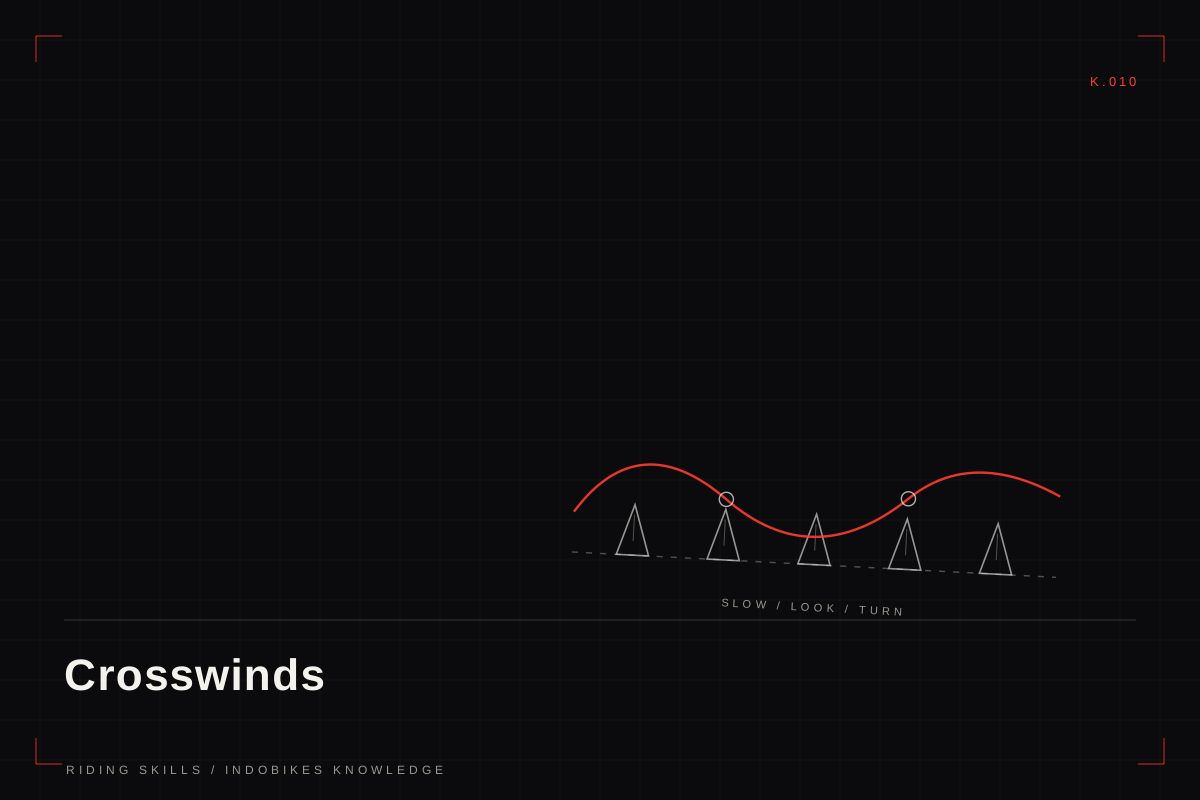
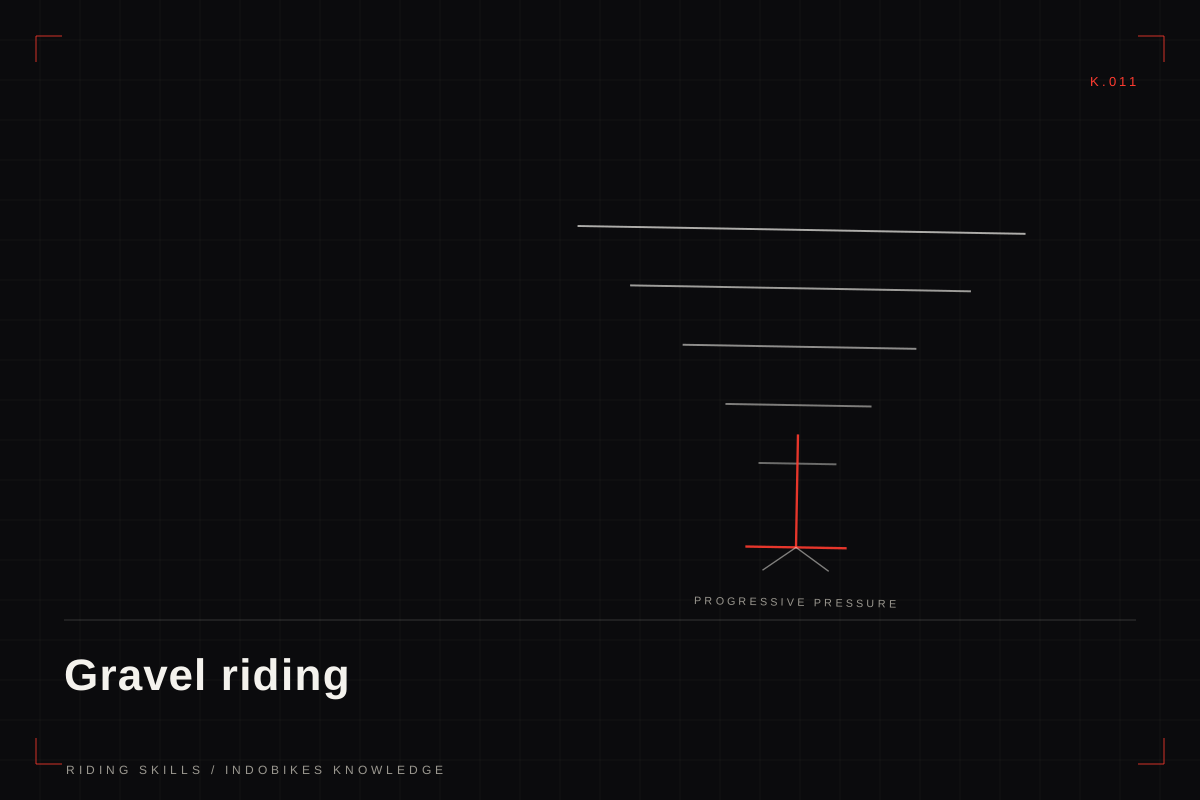
04 Riding skills
Riders & load
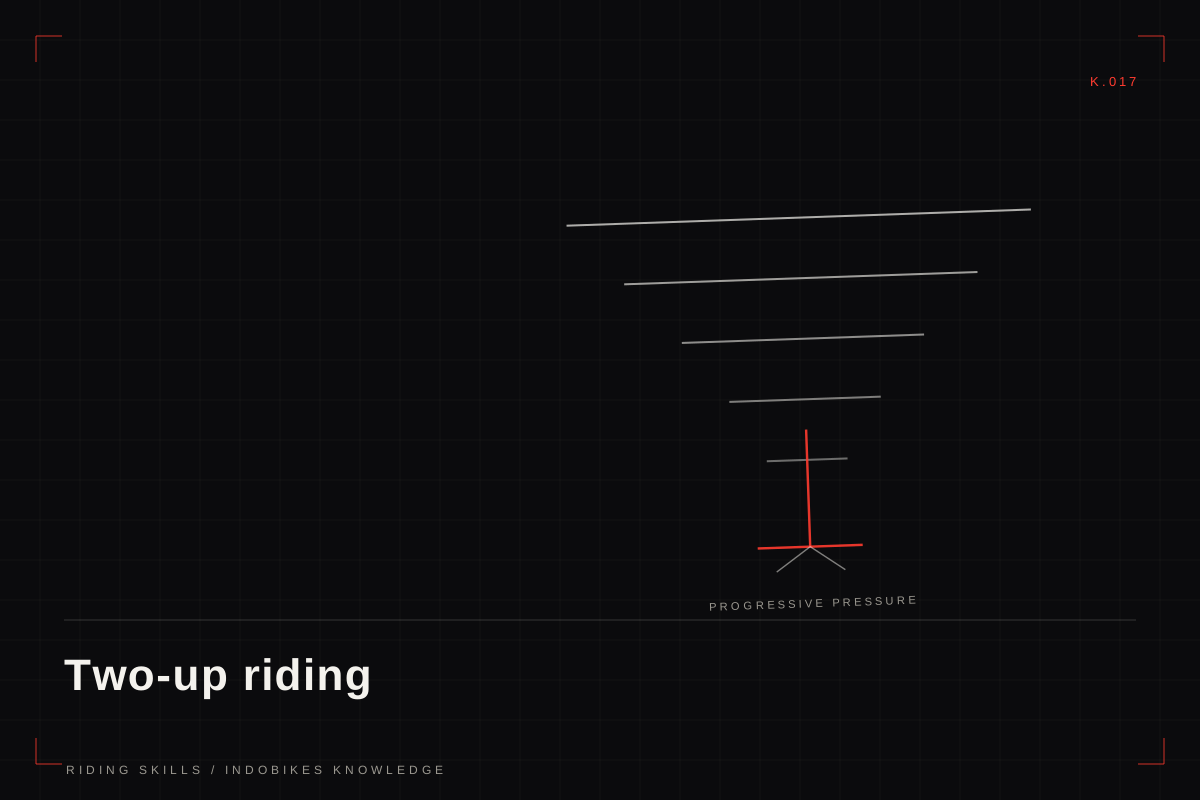
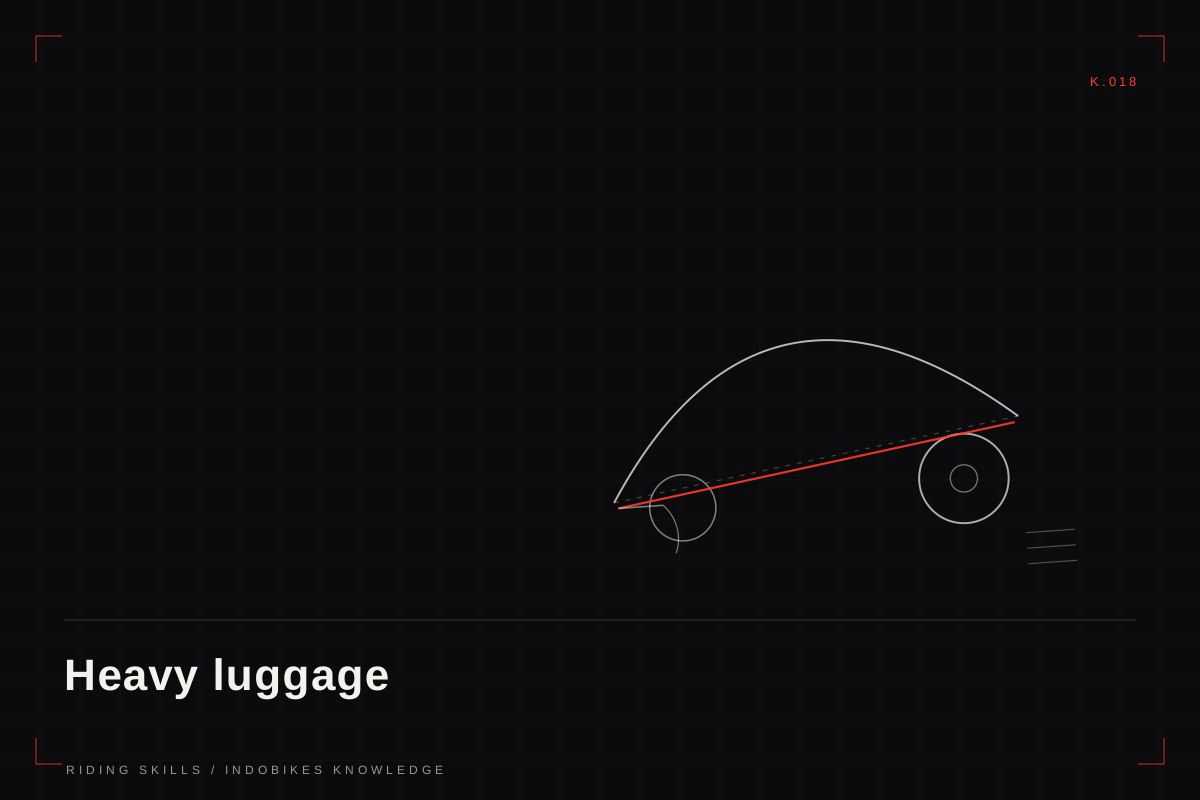
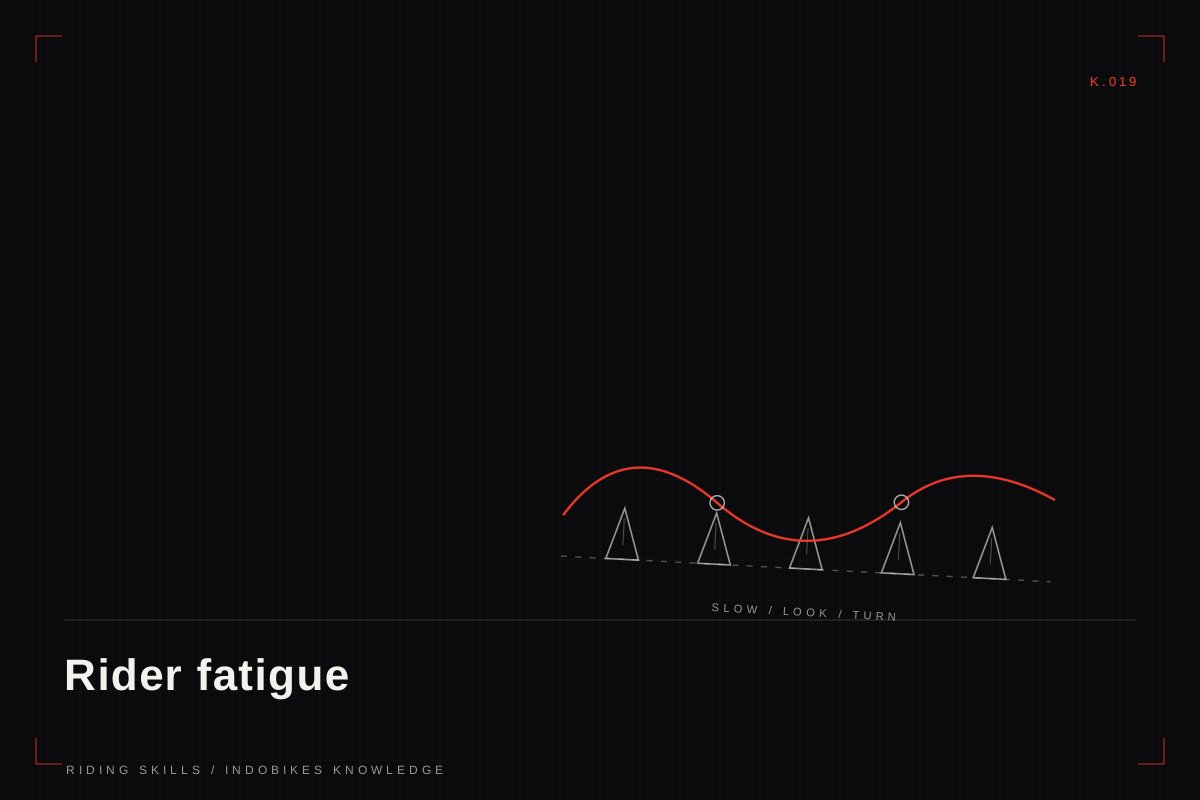
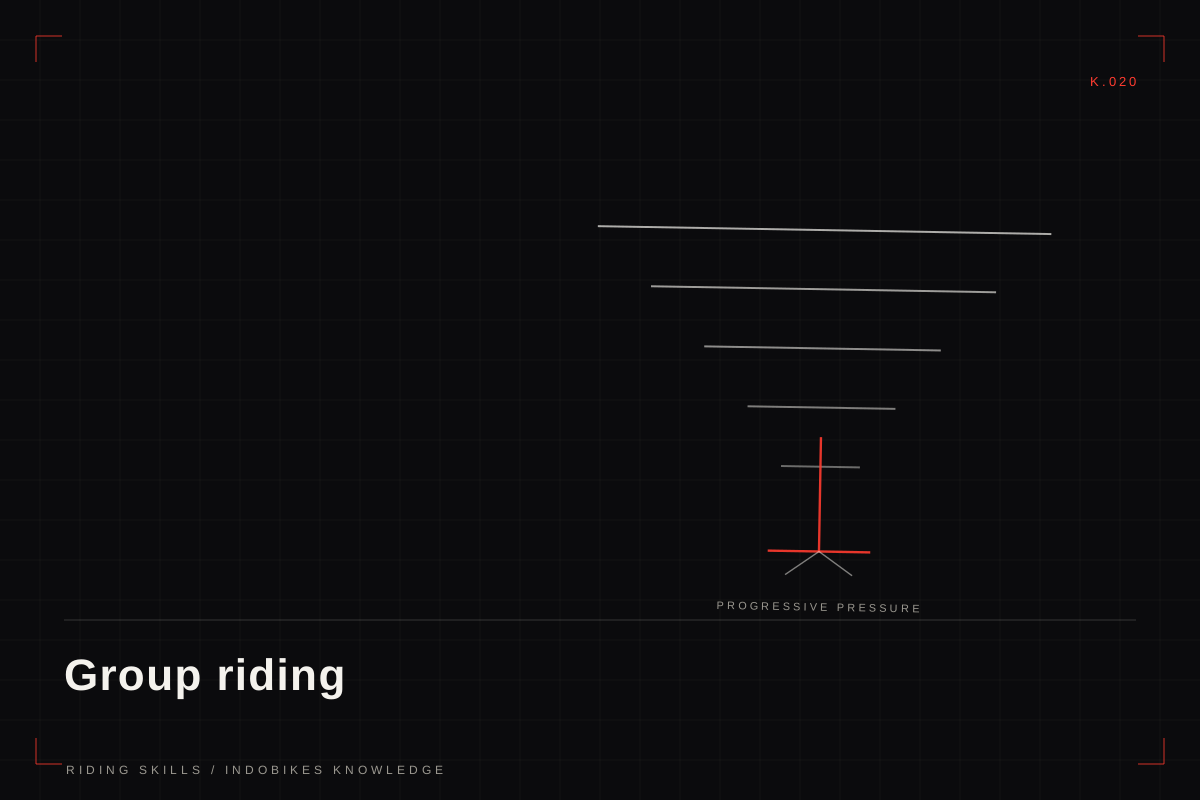
Passengers, luggage, fatigue and group etiquette.
No guide matches that search. Try a topic name, a system or a decision such as “braking” or “insurance”.
Use it Workshop
From reading to a decision
The knowledge library sits beside the workshop library. These pages take a topic into diagnosis, maintenance, parts and the work itself.