A safe motorcycle U-turn starts before the bars move: check the space is clear, select first gear, set the clutch in its friction zone and drag the rear brake. Then turn the head, let the bike lean, and keep a light, constant drive so the machine completes the arc under control.
First, decide whether the turn is worth it
A U-turn is optional. If the road is narrow, the surface is loose, the camber falls away or traffic is close, a three-point turn, a lap of the block or walking the bike around is safer than forcing a tight arc. The manoeuvre has no prize for being completed in one movement. A turn that needs three movements is still a successful turn; a single arc that ends on the ground is not.
Check the space behind and beside you before anything else. Mirrors, a shoulder check and an indicator cost a few seconds; a turn into a vehicle that appeared from a blind spot costs far more. If visibility is limited, choose another place to turn, even if it means riding a little further down the road. A clear, wide start also gives you somewhere to go if the turn has to be abandoned halfway.
Set the bike up before the bars move
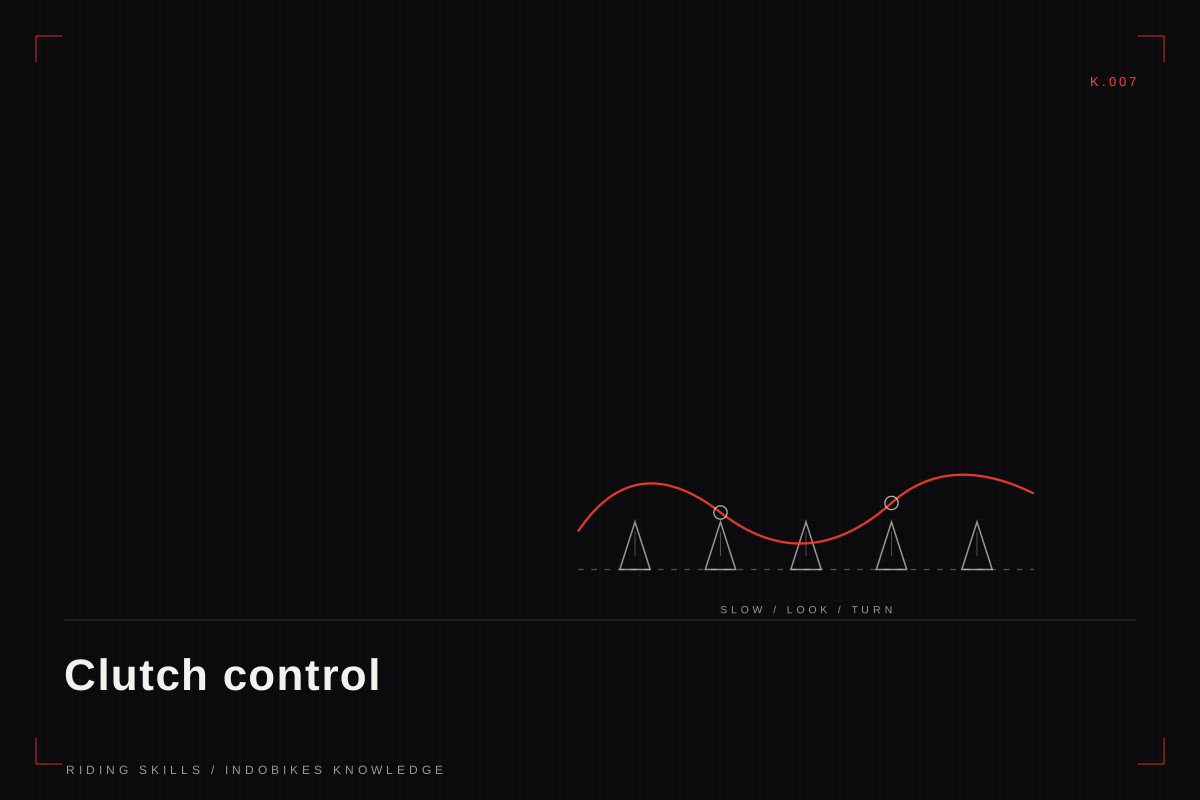
Select first gear while the bike is still straight and the clutch is in. Bring the lever to the friction zone so the bike is ready to pull, and cover the rear brake with the right foot. On a scooter, cover the rear brake lever and keep the throttle just off idle. Doing this while the bike is still rolling makes the launch easier than setting up afterwards.
Position matters. Start from the outside of the available space so the turn has the widest possible radius, and keep the front wheel straight until you are ready. Cancel the indicator afterwards; a signal left on through the manoeuvre tells other road users something untrue about your intentions. It is the cheapest insurance in the manoeuvre.
The order that keeps the bike up
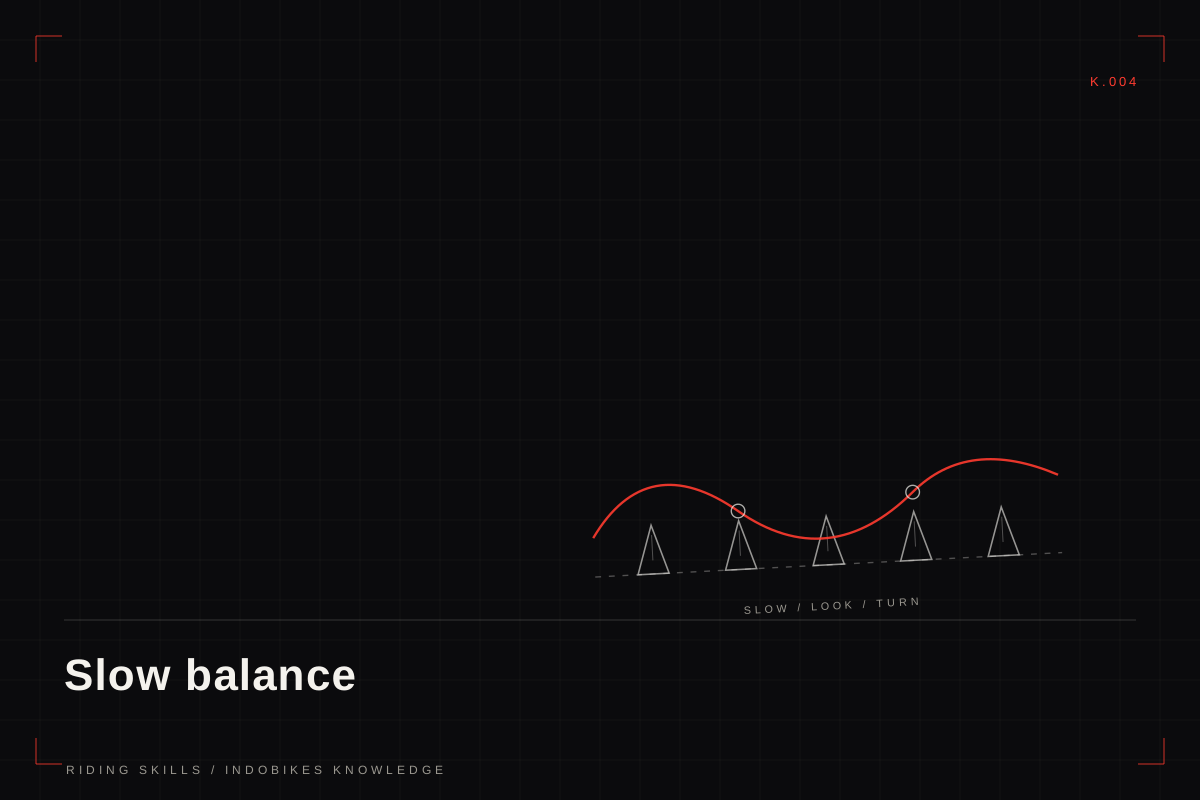
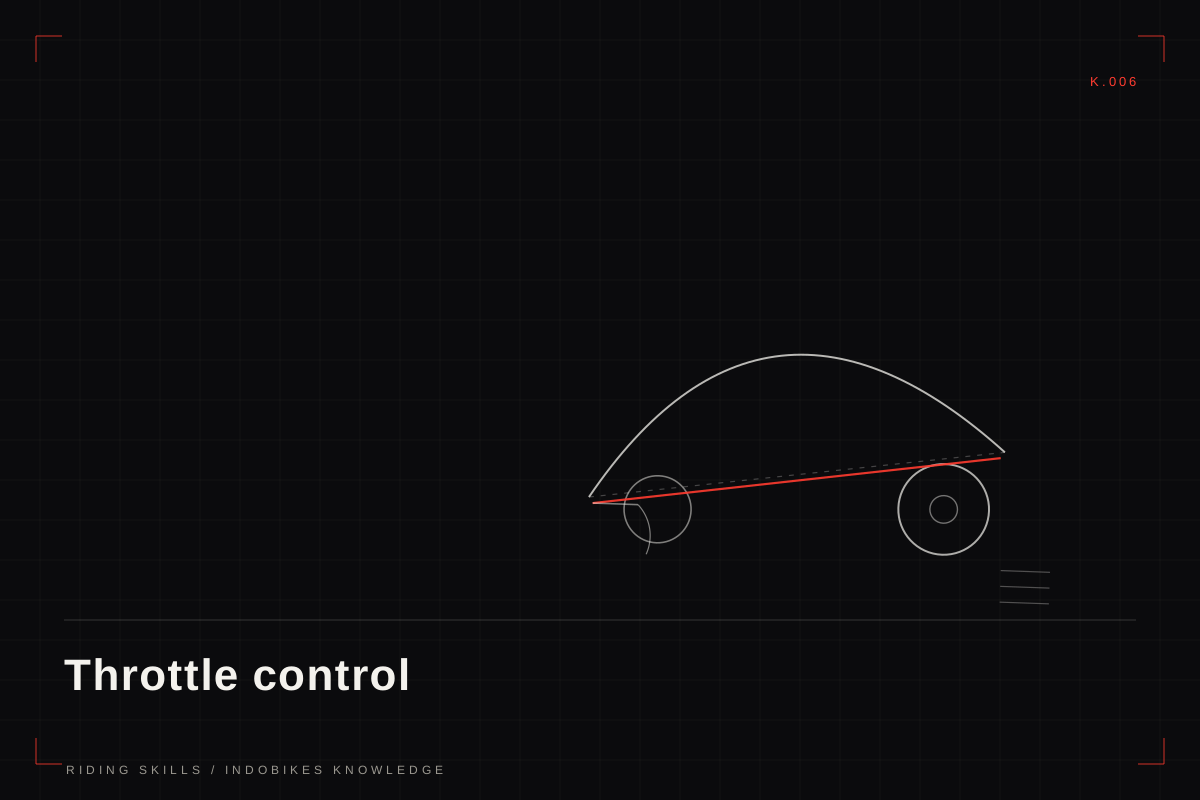
Turn your head and look over the inside shoulder, toward where the bike will finish. Open the throttle slightly, ease the clutch into its zone and release the foot brake. Let the bike lean into the turn while the rear brake drags lightly, and let the bars come round rather than forcing them. The bike turns because it is moving, so the drive has to be there before the lean, not after it.
Keep one smooth movement from entry to exit. The most common failure is a pause in the middle: the rider hesitates, the bike slows, the lean becomes a fall and the front brake is grabbed. If the arc is going wrong, add a little drive and let the rear brake control the speed. A slightly wider turn that finishes cleanly is always the better result.
Why the rear brake, not the front
Pulling the front brake with the bars turned and the bike leaned puts a sideways load on the front tyre at the exact moment it has the least grip. The front folds and the bike is on the ground before the rider can react. The rear brake slows the bike without disturbing the steering geometry in the same way.
The rear brake also leaves the right hand free for the throttle and the left hand free for the clutch. That is the practical reason it is taught for this manoeuvre: the controls needed to keep the bike moving and slow at the same time are all available. That is why it is taught from the first lesson.
Slopes, camber and narrow roads
On a downhill U-turn, gravity is helping you accelerate, so use more rear brake and less throttle. On an uphill turn the bike needs more drive, and the risk shifts to stalling mid-arc. Set a few more revs before you release the brake and accept a little more clutch slip for a short time. The clutch covers the difference.
Camber changes the geometry of the turn. If the road falls away toward the inside, the bike wants to lean further than you intended; if it falls to the outside, the bike resists the turn. Where possible, start with the front wheel pointing slightly downhill, so the finish of the arc is on flatter ground.
Scooters, automatics and heavy bikes
A scooter U-turn uses the same order without a clutch: rear brake covered, throttle just open, head turned, bike leaned. Keep both feet on the floorboard rather than paddling, and hold the speed with the rear brake so the CVT stays gently engaged. The brake lever is usually on the left, which leaves the right hand free for the throttle.
Heavy bikes need a wider arc and more space. A pillion should dismount before a tight turn where possible, and luggage should be secure and low. Check that the bars do not trap your hands against the tank at full lock; if they do, the bike needs a wider turn, not more effort. Forcing a heavy machine around a tight arc usually ends badly.
Practise it, and know when to stop
Practise in a closed area with cones marking a realistic width, turning both ways. Most riders find one direction much easier, which is exactly the direction that needs more repetition. Start with a wide arc and tighten it only when the exit is smooth and the foot stays on the peg. Do not move on to tighter arcs until the wide ones feel boring.
If the bike leans past the point where you can hold it, stop it with the rear brake, put a foot down and reset. A dropped bike at walking pace is embarrassing but rarely serious; fighting a fall with the throttle open can trap a leg or send the bike into something solid. Reset means stopping, straightening the bars and starting the whole sequence again from a stable position.
Checklist
- Choose a turning spot with clear visibility and a firm surface.
- Shoulder-check and signal before you begin.
- Select first gear and set the clutch in its friction zone.
- Cover the rear brake before releasing the bike.
- Turn your head to the exit, not to the front wheel.
- Keep light, constant drive through the whole arc.
- Abandon the turn and reset if the bike leans too far.
Questions
Why do I drop the bike in U-turns?
Usually because the front brake is applied while the bars are turned, or because the bike loses drive and the lean turns into a fall. Keeping the clutch in its zone, trailing the rear brake and looking at the exit prevents both.
Can I U-turn on a scooter the same way?
Yes, with the brake and throttle instead of clutch and throttle. Hold the rear brake, keep a little throttle on so the CVT stays engaged, and release the brake smoothly as the bike turns.
How wide should a U-turn be?
Wide enough that you are not at full lock with no margin. A road-width turn is normal; a tighter one belongs on a closed course, not in traffic beside a kerb.