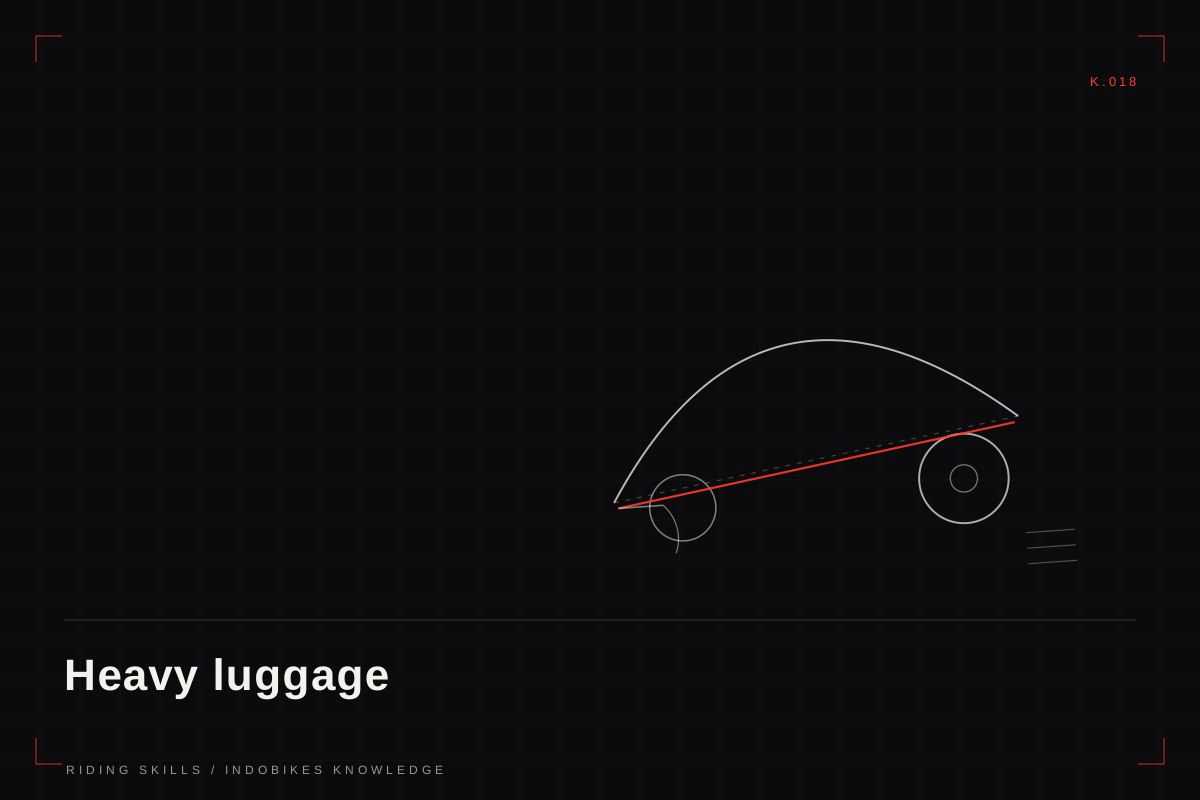
Carrying a passenger adds mass high and behind the rider, which changes acceleration, braking, steering and the way the bike behaves over bumps. Adjust the suspension and tyre pressures to the manufacturer's two-up figures, brief the passenger before setting off, and ride more smoothly than you would alone.
Before the engine starts: gear, briefing, mounting
The passenger needs the same protective equipment as the rider: a helmet that fits and is fastened, a jacket, gloves, trousers and boots. A passenger without proper gear is not a passenger but a casualty waiting for a reason. Check that the bike has a proper pillion seat and footrests, and that the passenger can reach them comfortably.
Brief them before they get on. Explain that they should mount only when you are ready and holding the bike steady, keep their feet on the pegs even when stopped, hold your waist or the grab rail rather than your arms, and lean with the bike rather than against it. Agree a simple signal for stopping, and tell them not to put a foot down at traffic lights.
Suspension, tyres and the owner's manual
A passenger compresses the rear suspension and changes the bike's attitude. Most owner's manuals give a preload or damping setting for riding with a passenger or luggage, and some list a maximum load. Use those figures rather than guessing. If the manual specifies a tyre pressure for two-up riding, set it before the ride, when the tyres are cold.
Check the chain, brakes and lights as well. A bike that is already marginal solo becomes worse with two people aboard: a worn rear tyre, a tired shock or a dragging brake is amplified. If the bike is not rated for a passenger, or the seat and pegs are missing, do not carry one, whatever the destination.
The first hundred metres
Pull away more gently than usual. The extra mass is easiest to feel at low speed, where the bike is less stable and the passenger is still finding their balance. Use a little more throttle than solo to overcome the weight, but feed it in smoothly, and keep your feet down until you are sure the bike is balanced.
Brake earlier for the first stop and release the lever smoothly at the end. A passenger who is not expecting the stop will slide forward into you, and a sudden release at walking pace can unload the fork. Give them time to settle, and tell them before you move off again if they need to adjust their position.
Braking with the extra mass
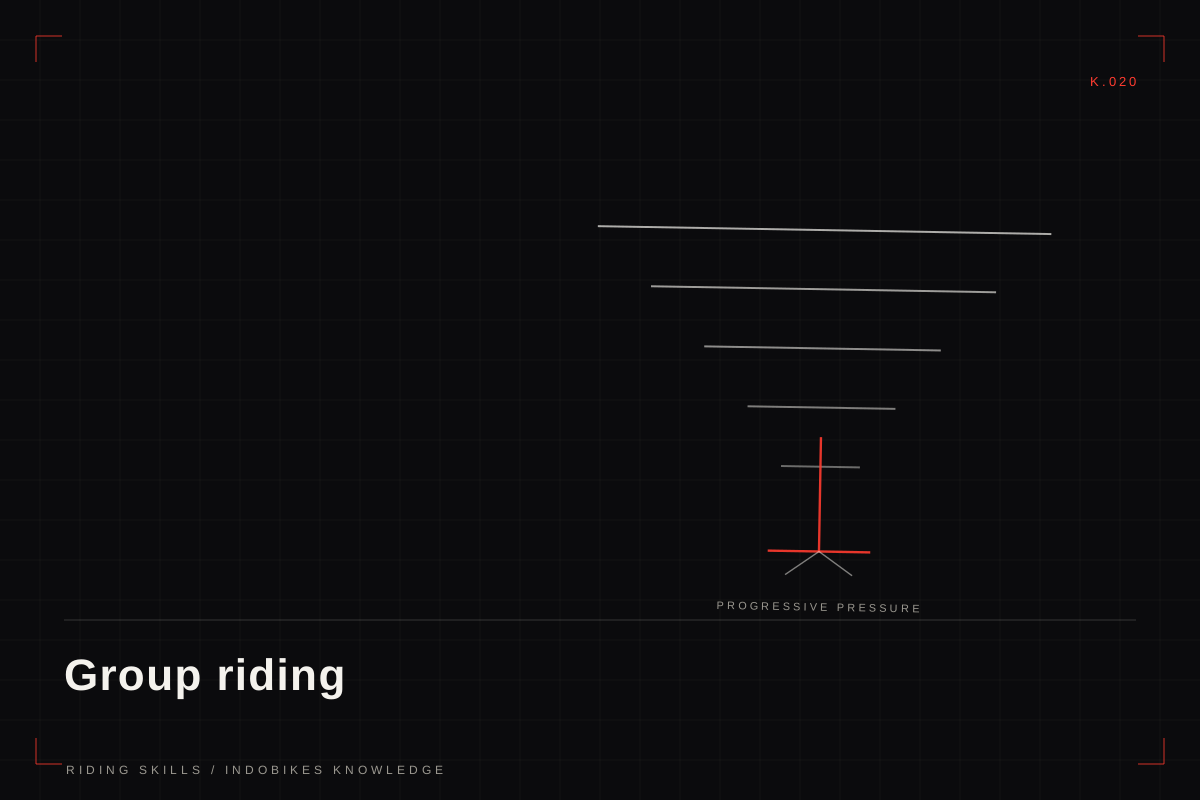
Stopping distance grows with the added weight, and the rear brake becomes more useful because the rear tyre is more heavily loaded. Start braking earlier, use both brakes, and keep the application progressive. The front still does most of the work on a good surface, but the fork has more mass to control and the dive is more pronounced.
Do not practise maximum braking with a passenger. A pillion is not a braking aid and cannot be asked to compensate for a rider who has not mastered the technique solo. If you need to stop quickly, keep the bike straight, squeeze progressively and accept a longer distance than you would alone. If the passenger is not briefed for a hard stop, avoid creating one.
Corners, hills and slow manoeuvres
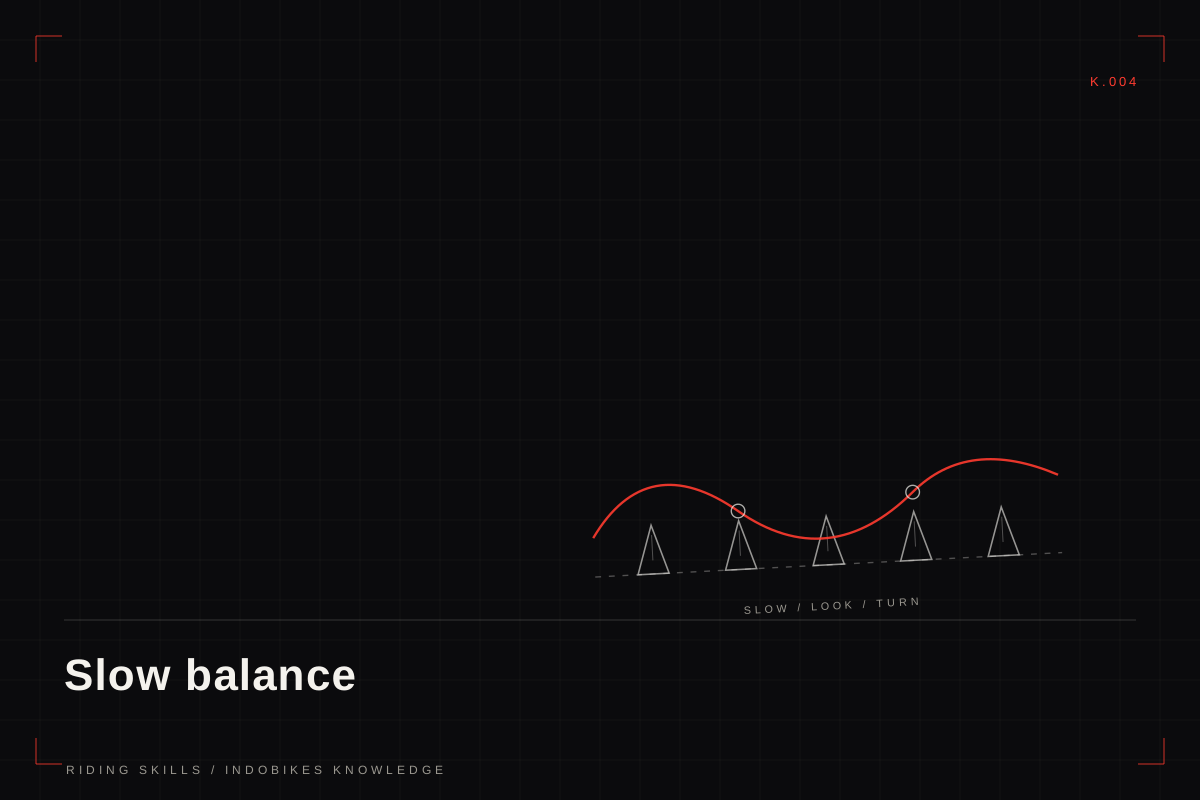
In corners the extra weight raises the centre of gravity and the passenger's position shifts as the bike leans. Enter a little slower, hold a steady line and avoid mid-corner changes. If the passenger leans the wrong way, correct smoothly rather than abruptly; a sudden counter-movement unsettles the bike more than the original error. Tell them to look over your inside shoulder through the corner.
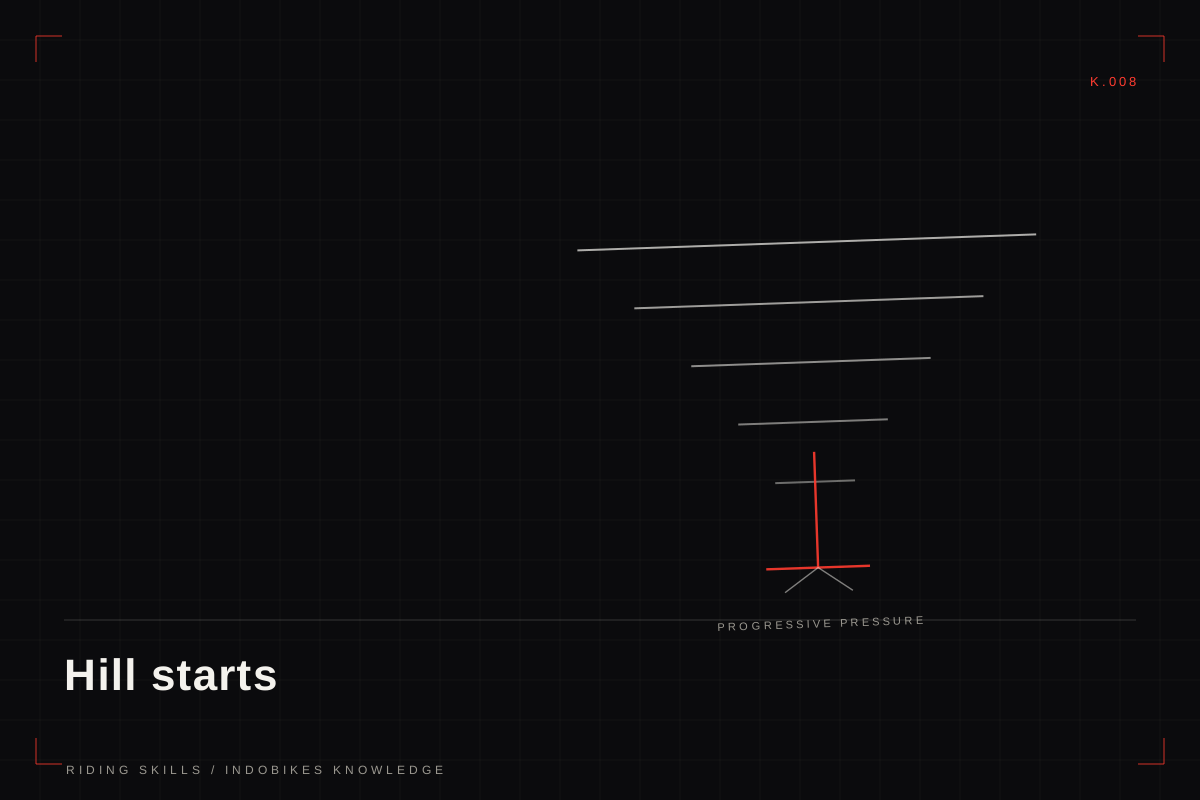
Uphill starts need more throttle and clutch care, and downhill sections need more engine braking and earlier brake application. At walking pace, especially in a U-turn or a car park, the bike feels heavier and tips more quickly. If you are not confident, walk the bike or choose a route that avoids the manoeuvre. A passenger can also get off and walk while you turn the bike.
What the passenger should and should not do
A good passenger is still and predictable. They keep their feet on the pegs, look over the rider's inside shoulder through corners, and follow the bike's lean rather than trying to stay upright. They do not stand on the pegs, wave at passing traffic, shift weight suddenly or put a foot down while the bike is moving.
They should also speak up. If they are uncomfortable, need a break or feel the bike moving badly, they need a way to say so. Agree a tap signal or a word before the ride. A passenger who is frightened or in pain is a distraction, and a distracted rider makes worse decisions. Agree the signal before the ride, when talking is still easy.
When not to carry a passenger
Do not carry a passenger until you are competent solo in the conditions you plan to ride. That includes low-speed control, braking and cornering. A rider still learning the bike is adding a second person to a task that already uses most of their attention, and the passenger cannot help. Confidence solo is the precondition, not the reward.
Do not ride two-up if you are tired, impaired or unwell, if the bike is not legal or equipped for it, or if the passenger is not licensed or equipped as local rules require. Check the rules that apply where you ride: a learner or probationary licence may restrict passengers, and insurance may not cover an unqualified rider.
Checklist
- Check the manual for two-up preload and tyre pressures.
- Fit the passenger with a helmet, jacket, gloves and boots.
- Brief mounting, foot placement, lean and stop signals.
- Brake earlier and release the lever smoothly.
- Ride slower into corners and avoid mid-corner changes.
- Do not carry a passenger until you are competent solo.
Questions
Should the passenger hold the rider or the grab rail?
Either can work. Holding the rider's waist keeps the passenger close and lets them feel the bike's movement; a grab rail gives a fixed reference. What matters is that they hold consistently and do not grip the rider's arms, which interferes with steering.
Do I need to change tyre pressure for a passenger?
Check the owner's manual. Many manufacturers list a higher rear pressure for two-up riding or full load, but the figures vary by bike and tyre. Set them cold, and never exceed the maximum printed on the tyre sidewall.
Can a beginner carry a passenger?
It is a poor idea. The added weight changes braking, balance and low-speed control at exactly the stage when those skills are still forming. Build competence solo first, then add a passenger on familiar roads in good conditions.