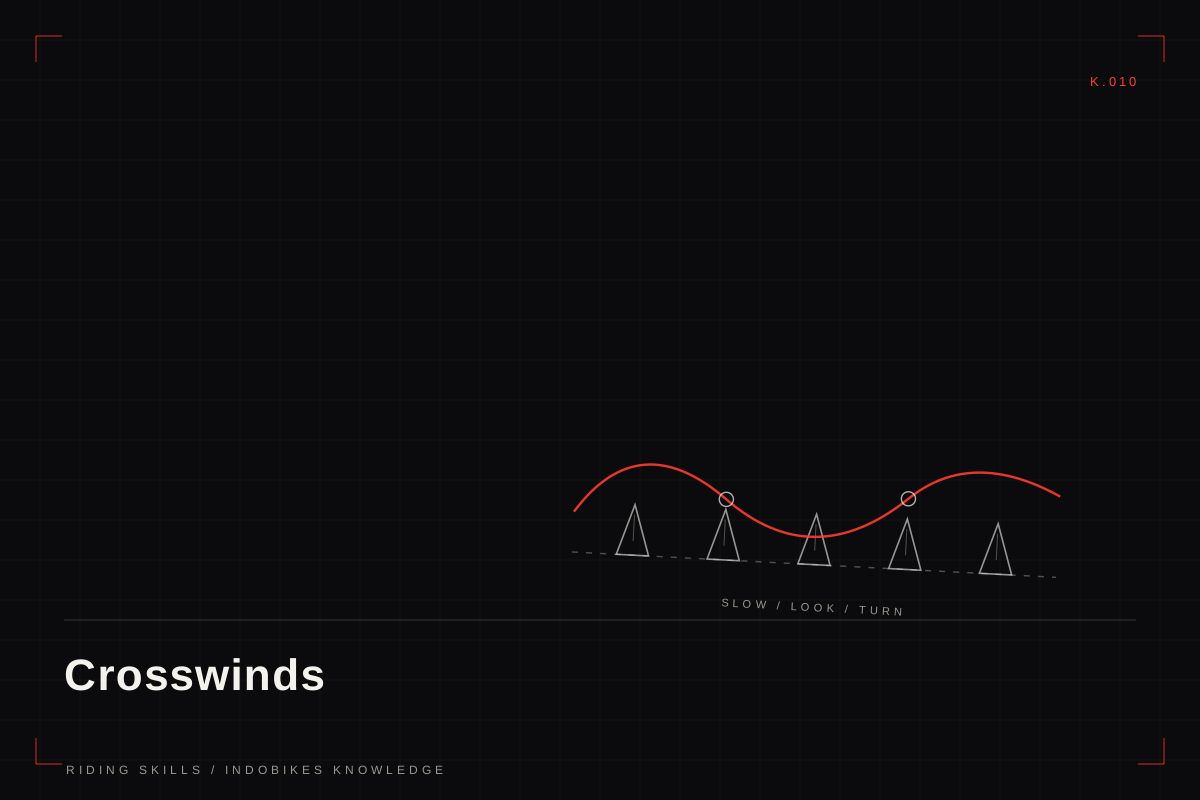
In a crosswind a motorcycle leans into the wind while the rider holds a small steering correction, so the machine tracks slightly angled to its path. Gusts disturb that balance, and the danger is not the steady wind but the sudden change as you leave shelter, pass a truck or cross a bridge. Slow down, relax your grip and give yourself room.
What the wind is doing to the bike
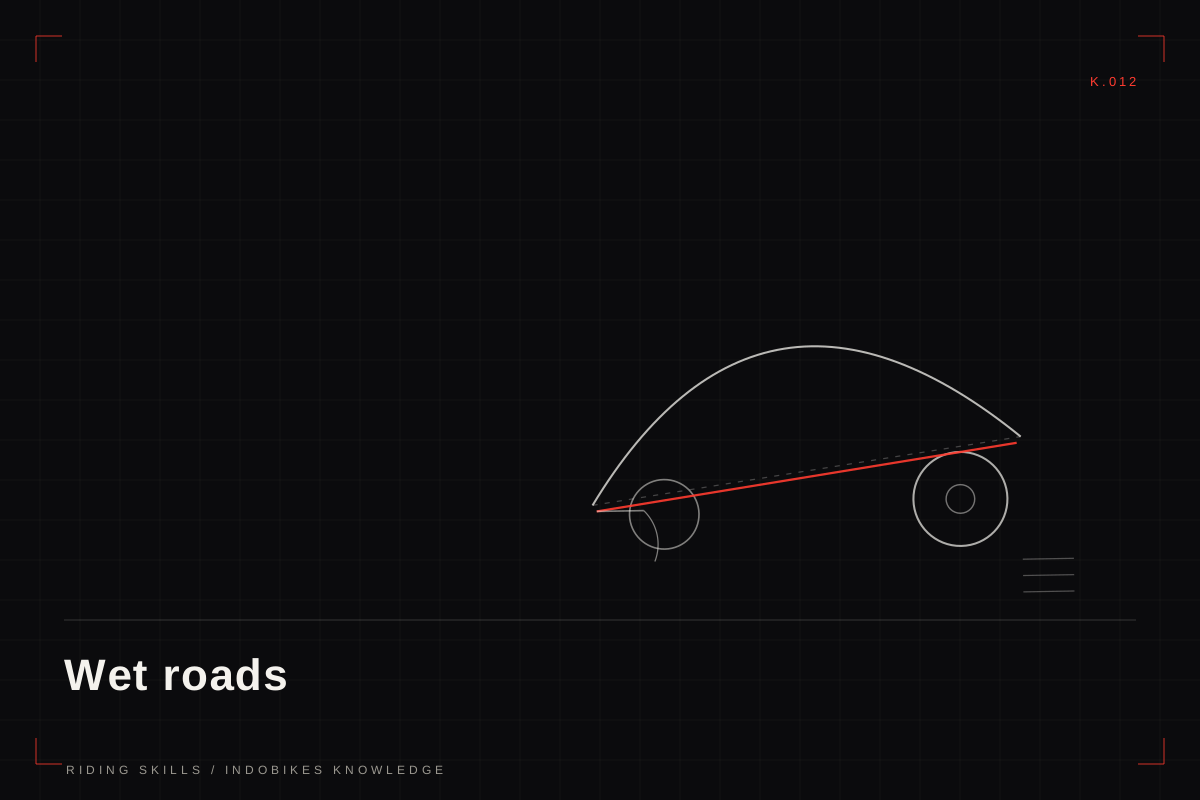
A motorcycle and rider present a large side area, and wind pushing on it creates a lateral force. To resist that force the bike leans into the wind, and the rider holds a small steering input to keep the tyres tracking where they should. The result is a machine that looks slightly crabbed while travelling in a straight line.
A steady wind is manageable because the rider can trim for it. A gust is different: the force changes faster than the bike's geometry can absorb, so the machine moves sideways for a moment. The rider's reaction to that movement, more than the movement itself, is what usually causes trouble. A loose rider lets the bike absorb the movement; a tense one turns it into a steering input.
Where the gusts are hiding
Wind is rarely uniform. It accelerates through gaps between buildings, changes direction at the end of a bridge, drops suddenly behind a wall or a row of trees, and returns with interest as you leave the shelter. Junctions, cuttings and gaps between parked vehicles all produce local effects that are stronger than the open road.
In Indonesia, exposed coastal roads, elevated sections, long stretches beside open fields and mountain ridges are the usual places to expect it. A storm front or the edge of a rain band can bring a sudden change in both wind speed and direction, which is one more reason to slow down when the weather turns.
Relaxed grip, small corrections
Hold the bars lightly and let the bike move beneath you. A rider who fights every gust with a tight grip amplifies each correction and arrives at the next one already tense. The bike is designed to be stable; give it the chance to settle. The bike's own stability is doing more work than most riders give it credit for.
Weight the footpegs and keep your shoulders loose. At higher speed, tucking slightly reduces the area the wind can push on and takes some load off your arms. Keep your eyes on the road ahead rather than on the bike's movement; the correction should be a response to where you are going, not to every wobble.
Trucks, buses and overtaking
Large vehicles push a bow wave of air ahead of them and leave a low-pressure pocket alongside. Passing one means moving from disturbed air into shelter and then back into the wind, often with a shove as you emerge. The bike can feel sucked toward the vehicle and then pushed away in the space of a second.
Do not linger alongside a truck or bus. Plan the pass, allow extra lateral space, and be ready for the push as you clear the front. If the wind is strong enough that the pass feels like a gamble, wait for a more sheltered section or a gap in traffic rather than forcing it. A pass that feels rushed in still air feels twice as rushed in a crosswind.
Wind plus rain, or a loaded bike
Rain adds a second problem: less grip at the same time as the wind asks for more lean. A crosswind in the wet means slower speeds, gentler corrections and more distance from other vehicles. Painted lines, metal covers and standing water deserve particular care when the bike is already leaned into the wind. The two effects multiply rather than simply add.
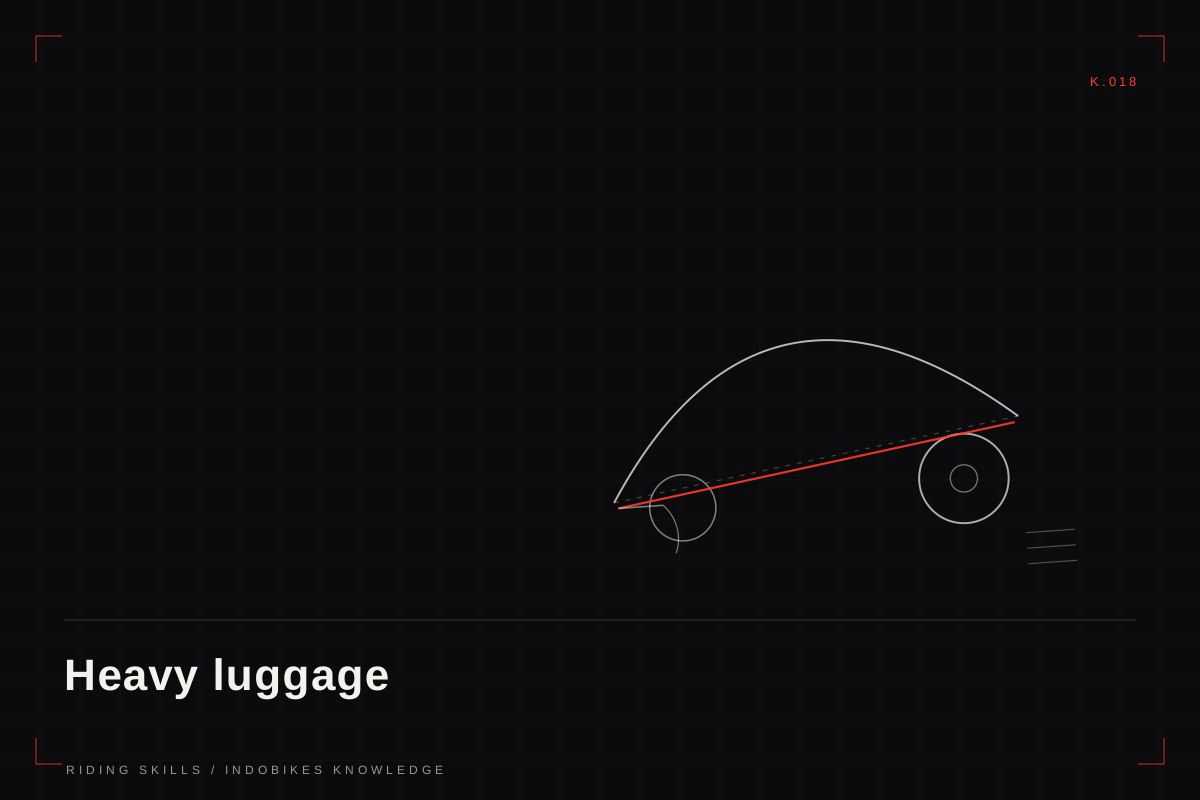
A passenger and luggage increase the side area and raise the centre of mass. The bike responds more slowly and the passenger may react to a gust after the rider has already corrected for it. Brief them to stay still and look through the corner, and reduce speed accordingly. A passenger who braces against the gusts makes the bike harder to hold, so ask them to stay loose.
When the right decision is to stop
There is no shame in stopping when the wind is beyond your margin. Signs include trees and banners bending hard, high-sided vehicles moving noticeably sideways, spray being blown across the road and a constant fight to hold a lane. If you are wrestling the bike rather than guiding it, you are already past the point where more technique helps.
Stop somewhere safe and well off the carriageway, behind a barrier if possible, and wait for the gusty period to pass. A motorcycle is far more vulnerable to wind when stopped at the roadside than when moving with space around it, so choose the place deliberately rather than pulling over wherever the bike happens to slow.
Practising wind awareness
You cannot schedule a crosswind lesson, but you can build the habits that make one survivable: light grip, steady speed, early reading of gaps and bridges, and a willingness to slow down. Notice how the bike behaves when a bus passes in the opposite direction, and treat it as information rather than a surprise. Those habits cost nothing and pay off in the first real gust.
As with every condition skill, the margin comes from speed and space, not from bravery. A rider who arrives at an exposed section already slowed, with both hands relaxed and a plan for the next gap, has far more options than one who is surprised at the same speed as in still air. That is the same principle as every other condition: margin first, speed second.
Checklist
- Check the forecast and expect stronger wind on exposed sections.
- Slow down before bridges, gaps and open stretches.
- Keep a light grip and let the bike move under you.
- Allow extra space when passing trucks and buses.
- Reduce speed further if wind comes with rain.
- Brief a passenger to stay still and look ahead.
- Stop somewhere safe if holding a lane becomes a fight.
Questions
Why does my bike feel like it is being pushed sideways?
Wind creates a lateral force on the bike and rider, and a gust changes that force quickly. The bike leans and moves for a moment before the geometry and your steering correction settle it.
Should I lean into the wind?
The bike leans into the wind almost by itself as you hold your line. Do not add a large deliberate lean; keep the correction small and let the machine find its own angle.
Is it safe to ride in strong wind?
Only within your margin. If you are fighting to hold a lane, or high-sided vehicles are being blown about, stop somewhere safe and wait. No destination is worth riding beyond your control.