You do not need the most expensive gear. You need gear that fits, stays in place and is designed for impact and abrasion.
Helmet fit and standard
A helmet should be snug, with no pressure points, and the chin strap should be tight enough that the helmet cannot roll off. Replace a helmet after a crash.
Look for a recognised safety standard and a date of manufacture. A used helmet with unknown history is not a bargain.
Gloves and jacket
Gloves protect the hands and wrists, which instinctively reach out in a fall. They should fit without restricting controls.
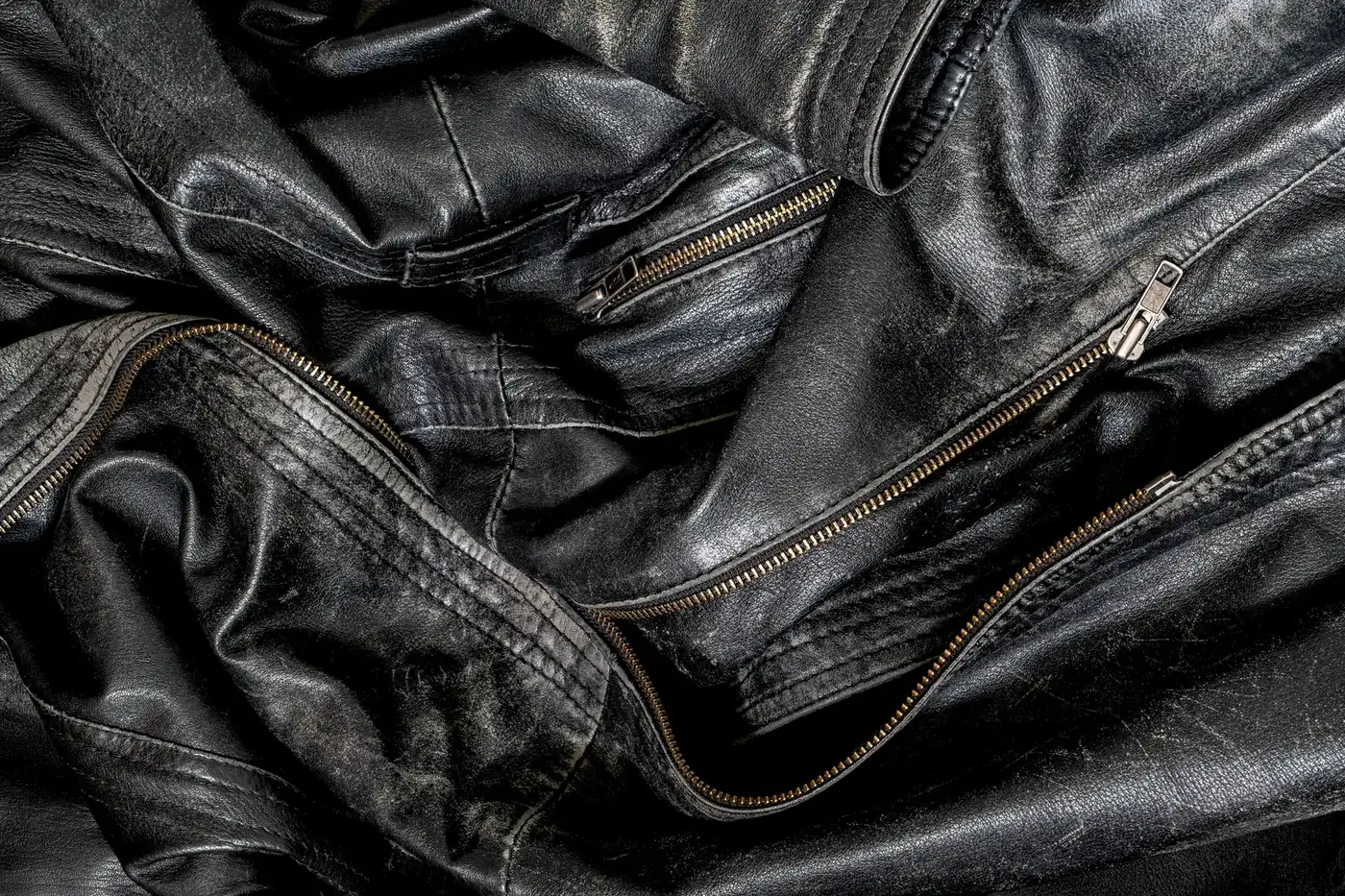
A riding jacket should have abrasion resistance, impact protection and a proper closure. A fashion jacket is not the same.
Boots and trousers
Boots protect the ankles and feet from heat, impact and abrasion. Over-ankle coverage matters.
Riding trousers or reinforced jeans with knee protection reduce road rash. Rain gear should not flap or block controls.
Visibility and heat
Bright or reflective elements help drivers see you. In a tropical climate, choose breathable gear rather than abandoning protection.
Mesh gear is cooler but has less abrasion resistance. Accept the trade-off.
Checklist
- Helmet fit, standard and age.
- Gloves that allow control operation.
- Jacket abrasion and impact protection.
- Over-ankle boots.
- Riding trousers with knee protection.
- Visibility and breathability.
- Replacement after a crash.
Questions
Is an expensive helmet safer?
Price does not guarantee a better fit. Buy a helmet that meets a recognised standard and fits your head shape.
Can I wear a fashion jacket?
It may protect from wind, not from abrasion. Use gear designed for riding.
Do I need new gear after a crash?
Replace any helmet that has taken an impact. Inspect other gear for abrasion and structural damage.