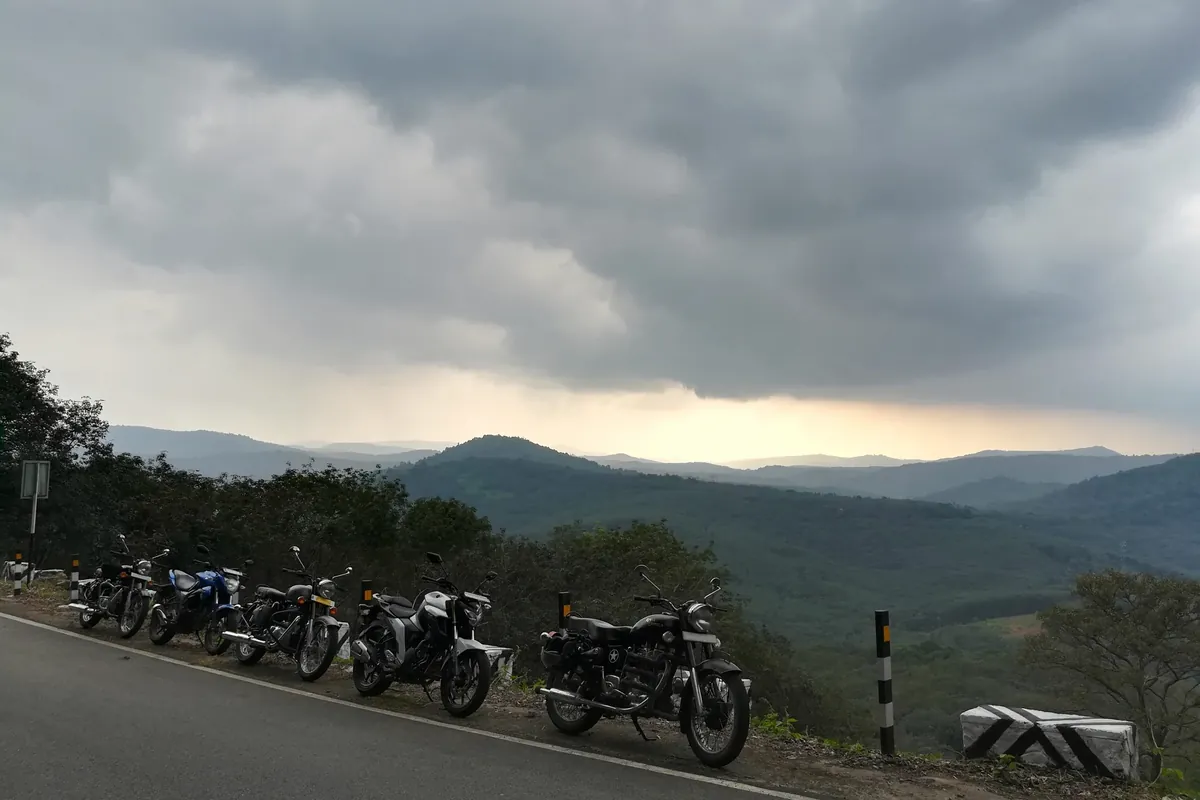
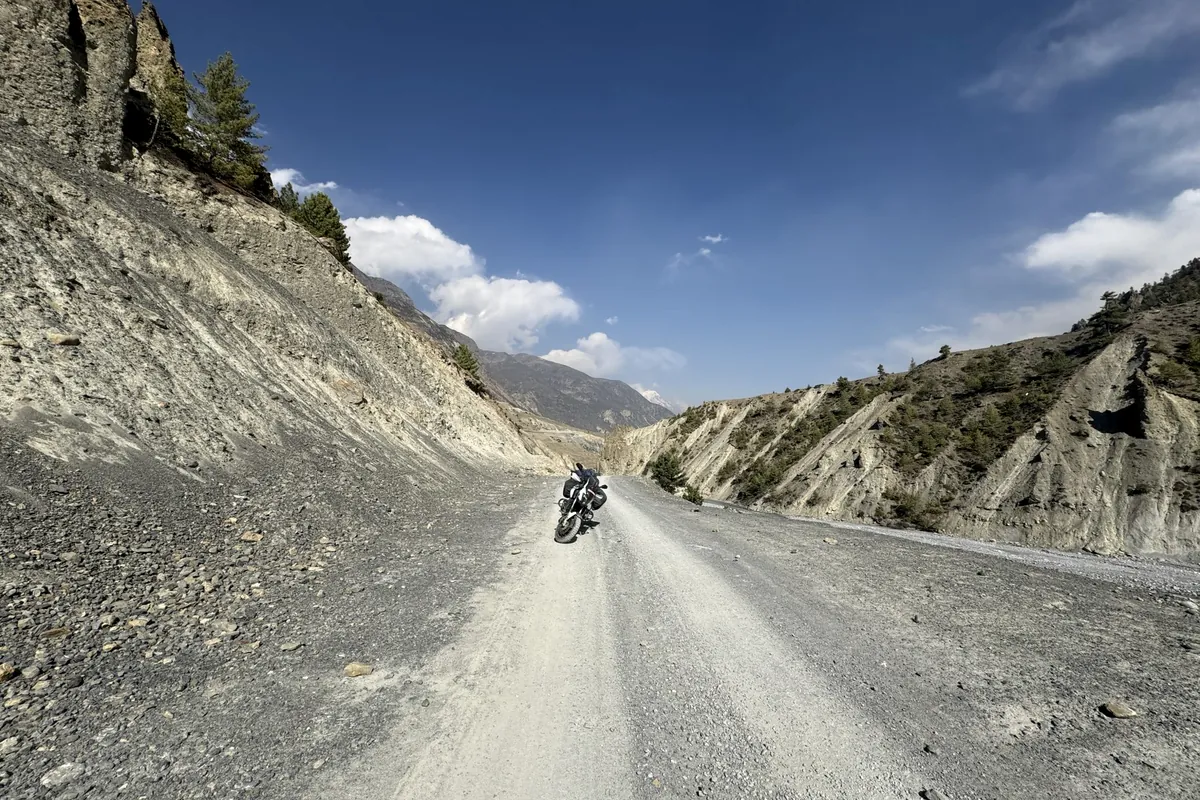
A tall rider on the wrong motorcycle looks like a rider on a toy: knees above the tank, wrists locked and a helmet in the wind. The problem is rarely engine size. It is the distance between the seat, the pegs and the bars, plus the height of the screen. Fix those and a 150 cc machine can be comfortable for hours; ignore them and a 250 will be just as cramped.
Where tall riders actually suffer
The first complaint is knee pain. A high seat-to-peg distance opens the hip angle; a low seat with high pegs folds the legs. The second is wrist pressure from reaching down to low bars. The third is wind noise and buffeting from a screen that directs air at the helmet instead of over it.
These problems compound over a long ride. A bike that feels acceptable on a ten-minute test can be unbearable after an hour. Sit on the machine with your feet on the pegs, not on the ground, and check the knee angle before anything else.
Seat-to-peg and knee angle
Look for a flat seat that lets you move back, and pegs that are not positioned high and forward. A dual-sport or adventure-style machine usually offers more room than a sport bike, while a small scooter can be surprisingly generous because the floorboard lets you move your feet.
A taller seat or a thicker seat pad can help, but it raises the centre of gravity and may make the bike harder to hold at a stop. A lower peg kit is an option on some models, but it reduces cornering clearance. Try the simple adjustments first.
Bars, screens and the wind
Bar height and pullback decide whether you sit upright or lean. Riser blocks can make a big difference for a tall rider, provided the cables and brake lines have enough slack. Adjustable levers help, but they do not fix a reach that is fundamentally too long.
Screens are the most misunderstood part. A taller screen can create more turbulence at helmet height. A small screen or a spoiler that smooths the airflow is often better. Test at highway speed, not in the showroom, and wear the helmet you actually use.
Why a bigger engine is not the answer
A larger bike often has a taller seat and more legroom, which is why tall riders gravitate toward it. But the correlation is not a rule. Some mid-size machines are more spacious than a larger sport bike, and some large scooters are cramped for a tall rider because the floorboard is short.
Buy for the riding position first. If two bikes fit equally well, then compare engine, brakes and running costs. A comfortable 150 is faster in real traffic than a cramped 250 you cannot wait to get off.
Adjustments before modifications
Start with tyre pressure and suspension preload, then the seat and bars. A worn rear shock sags and closes the knee angle; replacing it can restore the room you thought you had lost. A custom seat can add height and shape without changing the frame.
If you modify, keep the changes reversible. Tall bars, lowered pegs and a taller seat all affect the bike's geometry and the load on its fasteners. Use parts designed for the model, and check that the stand still works with the new ride height.
Shortlist by body position, not badge
Ride each candidate for at least twenty minutes, including a stop-start section and a faster road. Notice your knees, wrists, neck and lower back in that order. If one area is already complaining, a longer ride will not improve it.
Tall riders often do well with dual-sport, adventure-style or upright naked machines, and with scooters that have a long floorboard. The right answer is the one that lets you move, not the one with the biggest numbers on the spec sheet.
The bottom line
Test the seated position with your feet on the pegs: knees bent comfortably, elbows loose, screen smooth at speed. Then choose the engine. A roomy 150 beats a cramped 250 for a tall rider.IndoBikes workshop
Checklist
- Your knees are bent comfortably with feet on the pegs
- You can move back on the seat without sitting on the passenger perch
- The bars do not force locked elbows or a stretched back
- The screen sends air over the helmet, not into it
- Your boots reach the levers without lifting your foot off the peg
- The side stand still works with any ride-height change
- A passenger does not push you into the tank
- You have ridden for at least twenty minutes, including traffic
Questions
Do tall riders need a bigger motorcycle?
Not necessarily. Legroom and bar reach matter more than engine size. Some mid-size dual-sport and naked bikes are roomier than larger sport machines.
Can a tall rider be comfortable on a scooter?
Yes, if the floorboard is long enough and the seat lets you move back. Large scooters are not automatically roomier; sit on the specific model.
Are bar risers safe?
They can be, provided the cables, brake lines and wiring have enough slack and the clamps are correctly torqued. Use model-specific parts and check for clearance at full lock.
What is the cheapest comfort upgrade?
Suspension preload and tyre pressure set for your weight, then a seat reshape. Both are cheaper than new bars or a screen and address the most common complaints first.