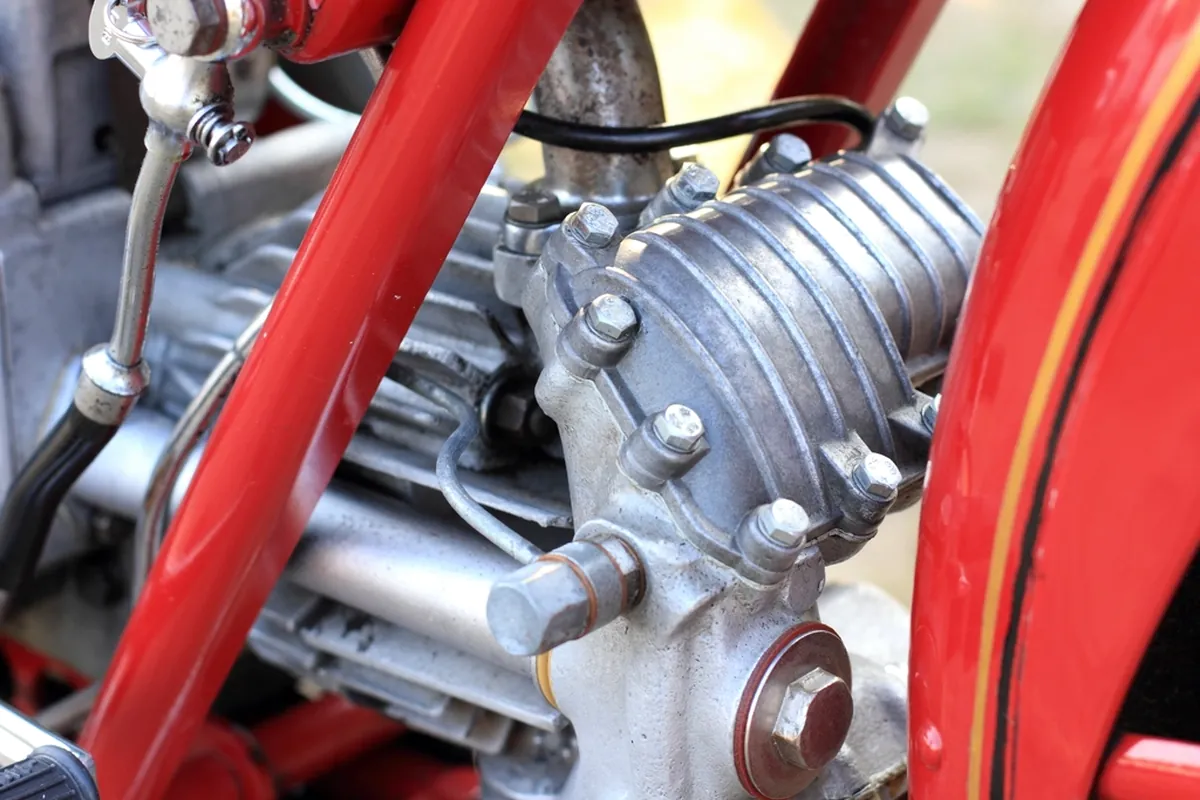
A fuel injector is an electrically operated valve. The ECU opens it for a calculated time, and pressurised fuel sprays through a small nozzle. Flow rate, spray pattern and seal condition decide whether the engine gets the right mixture at idle, cruise and full load.
What it does
The injector meters fuel into the intake port, throttle body or cylinder. The ECU controls pulse width, so the injector must respond quickly and consistently. A dirty nozzle reduces flow and disturbs the spray, which shows up first at idle and light load.
Injectors also seal pressurised fuel at the rail and at the head. A leaking O-ring is a fire risk. A leaking injector can flood a cylinder and cause a rich misfire.
How it works
Fuel sits in the rail under pressure. The ECU grounds the injector coil for a few milliseconds, the pintle lifts and fuel sprays through the nozzle. The spray breaks into small droplets that mix with air. The pulse ends and the spring closes the pintle.
The injector's static flow rate is measured at a set pressure and pulse. The ECU's map assumes that flow rate. Fitting a different injector without changing the map makes the mixture wrong, even if the engine runs.
Types and variations
- Port injectors. Spray into the intake port. Common on most motorcycle engines.
- Throttle-body injectors. Mounted in the throttle body, often as a pair on a twin.
- Direct injectors. Spray directly into the cylinder. Higher pressure and different service requirements.
- Top-feed and bottom-feed. Different rail and seal arrangements. Not interchangeable without the matching rail.
- Matched sets. Injectors selected for similar flow. Important on multi-cylinder engines.
Wear and failure signs
- Rough idle, hunting or a stumble just off idle.
- Misfire on one cylinder that does not move with the coil or plug.
- Fuel smell in the oil or at the exhaust.
- Lean or rich fuel trims, if the diagnostic tool shows them.
- Hard starting when hot, or a flooded cylinder.
- Cracked O-rings, a fuel weep at the rail or a strong petrol smell.
Choosing a replacement
- Match flow rate, impedance, connector type and physical length to the original.
- If the engine is modified, choose injectors with the tuner and change the map. Do not guess.
- Use a matched set on a multi-cylinder engine where possible.
- Consider professional ultrasonic cleaning before replacement if the injector is otherwise correct.
- Buy new O-rings and seals with the injector. Old seals harden and leak.
Fit and compatibility
- Lubricate new O-rings with a little clean oil or the maker's grease. Do not use petrol as assembly lube.
- Seat the injector squarely in the rail and head. A cocked injector leaks.
- Check the rail spacers and retainers. Missing parts let the injector move.
- Reconnect the electrical connector until it clicks. Check for a damaged latch.
- After assembly, prime the pump and check for leaks before starting.
Inspection and care
- Change the fuel filter at the recommended interval. Dirt and rust reach the injector first.
- Keep the fuel tank clean. Rust from a steel tank clogs injectors.
- Use fresh fuel. Old fuel leaves varnish in the nozzle.
- If the bike sits for months, consider a fuel stabiliser and run the engine before storage.
- Do not use carburettor cleaner on the injector body or seals. Use an injector-safe cleaner.
Safety and limits
Fuel is flammable. Work outdoors, away from sparks, and keep a fire extinguisher nearby.
A leaking injector O-ring can spray fuel onto a hot engine. Fix it before riding.
Do not test an injector by holding it over an open container. Use a proper test rig.
Questions
Can I clean injectors myself?
You can clean the outside and replace the seals. Proper cleaning needs an ultrasonic bath and a flow test. A DIY spray test will not tell you whether the flow is balanced.
How do I know an injector is clogged?
A single-cylinder misfire that does not follow the coil or plug, rough idle and lean trims are clues. A flow test or injector balance test confirms it.
Do I need to change the ECU map for new injectors?
Yes, if the flow rate or spray pattern differs. The ECU's pulse width is based on the original injector.
Should I replace all injectors at once?
On a multi-cylinder engine, a matched set is better. A single replacement can leave one cylinder different from the others.