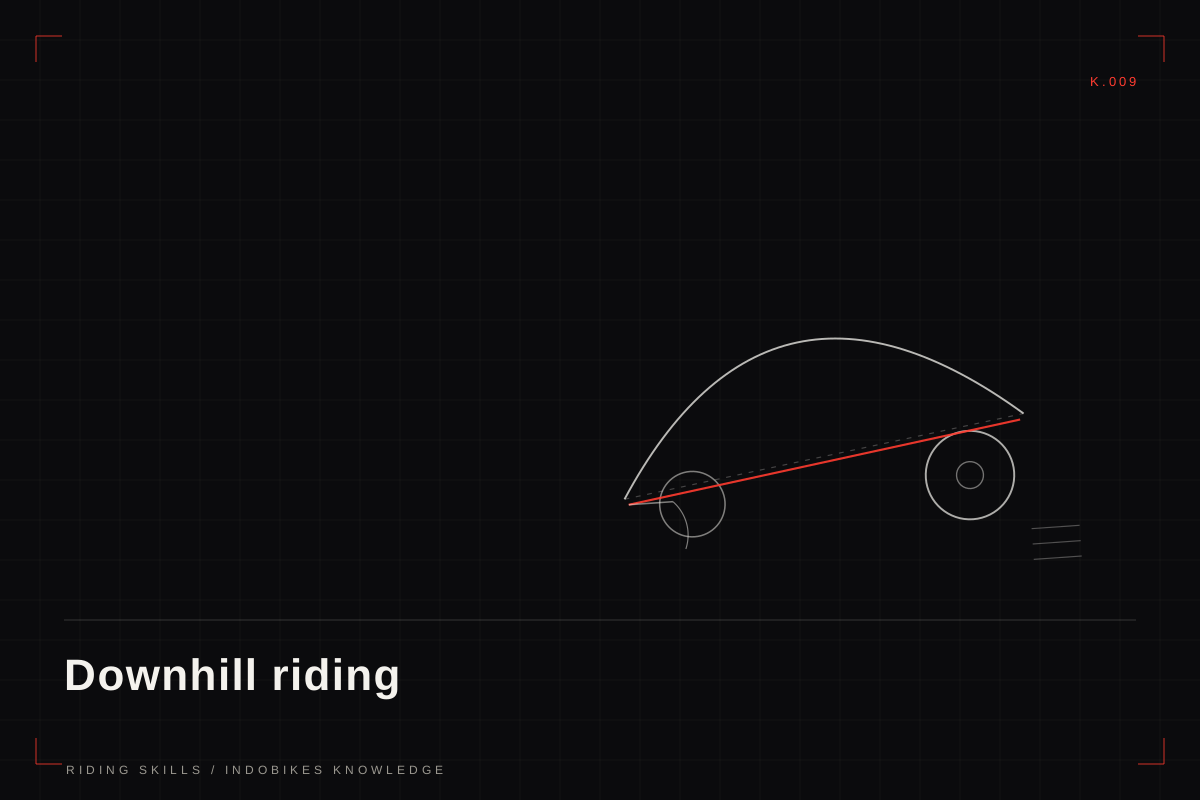
A long descent turns gravity into heat, and the brakes are the only thing converting it. Riders who drag the brakes the whole way can boil fluid and lose the lever; riders who use engine braking and short, firm applications keep a reserve. A descent is a heat-management problem before it is a cornering one.
Descent symptoms and what they mean
| What you notice | Likely cause | What to do |
|---|---|---|
| Lever feels long or spongy | Brake fluid hot or aerated | Stop, let it cool, have the system checked |
| Smell of hot metal, faint smoke | Pads and discs overheated | Pull off safely and cool in air, never with water |
| Vibration through the lever | Warped disc or uneven deposits | Reduce speed, stop, inspect at a workshop |
| Bike pulls to one side | Sticking caliper or contaminated pad | Stop riding, arrange inspection |
| Weak first application after water | Wet discs and pads | Dry gently at low speed before needing them |
Where the heat actually goes
A motorcycle going downhill is trading height for speed, and the brakes turn that speed back into heat. The discs and pads absorb most of it, and the fluid behind the caliper pistons absorbs some. When the pads and fluid get hot enough, the lever travel grows and stopping power falls away even though nothing has broken.
That is brake fade, and it is progressive. The first sign is often a lever that feels slightly longer or softer, or a bike that needs more pressure for the same slowdown. A rider who responds by squeezing harder adds heat. The correct response is to stop, let air do the cooling and then continue with a different technique.
Choose the gear before the slope starts
Select a gear low enough that engine braking holds the bike near the speed you want without constant brake pressure. Do this at the top of the descent, while you are still travelling slowly and can feel the result. Changing down halfway down a steep section, with the engine spinning and the rear tyre loaded, is a worse moment to make a decision.
Never coast in neutral or with the clutch held in. You lose engine braking, the bike accelerates, and the brakes become the only control. On an automatic scooter or a CVT bike, engine braking is limited, so use the brakes in firm applications with pauses between them rather than a continuous light drag, and give the machine a stop if the lever changes.
Brake firmly and briefly, not lightly and forever
A short, firm application converts speed to heat quickly and then gives the brake time to shed it while you are off the lever. A long, light drag keeps the pads in contact and keeps adding heat with nowhere for it to go. The counter-intuitive result is that the gentle rider can overheat the brakes sooner than the decisive one.
Use both brakes. The front does most of the slowing on a good surface, and the rear adds stability and helps at low speed in hairpins. On a wet or gravel descent, reduce the front pressure and accept a longer, gentler stop. If the bike has ABS, a firm application is still the right input; the system will intervene if the surface asks it to.
Corners, gravel and traffic coming up
Slow before the corner, not in it. On a descending hairpin it is easy to arrive too fast because gravity has been adding speed while you were looking at the view. Brake while upright, release, then turn. If you must brake in the lean, use less pressure and expect the bike to want to stand up.
Gravel collects on the outside of hairpins and along the centre of the road, and it is often exactly where the front tyre needs grip. Read the surface through the corner rather than at the last metre. Trucks and buses descending in the opposite direction may use part of your lane to get around a hairpin, so keep to your side and expect the unexpected at the apex.
Stopping to let the brakes cool
Find a safe place to pull completely off the carriageway, not a narrow shoulder on a blind bend. Leave the bike in gear, on the side stand, and let the brakes cool in the air. Do not pour water on hot discs or calipers, because the rapid change in temperature can warp a disc or crack a hot component.
Do not touch a disc to see how hot it is. Give it time, then check the lever feel before you set off again. If the lever has come back to normal, continue with shorter applications and more engine braking. If it is still soft, or if fluid is weeping anywhere, the descent is over for that bike until it has been inspected.
Warning signs that are not normal
A spongy lever, a lever that reaches the bar, a smell of hot metal, smoke from a caliper or a disc that has turned blue are all reasons to stop. Vibration under braking can mean a warped disc or uneven pad deposits, and a brake that pulls to one side can mean a sticking caliper or a contaminated pad. None of these improve with more use.
Brake fluid absorbs moisture over time, which lowers the temperature at which it boils. That is one reason a fluid change at the recommended interval matters more on a bike that regularly descends mountains. If a descent has overheated the brakes, have the fluid and pads checked before the next one, even if the lever feels normal again.
Descents in rain, fog and fading light
Wet brakes have less initial bite, so the first application after a water crossing or a long wet section may feel weak. Dry them with a gentle application at low speed before you need them properly. Wet roads also reduce the grip available for braking, so everything happens earlier and more gently.
Fog and fading light compress the distance you can see and the time you have to react. On a descent that is the difference between a planned stop and an emergency one. If the pass is clouded in, stop below it, take a room, and ride it in the morning. The mountain is not going anywhere, and neither is the schedule that matters.
Checklist
- Select a low gear at the top of the descent, not halfway down.
- Use firm, short brake applications with pauses between them.
- Never coast in neutral or with the clutch held in.
- Slow before the hairpin and look through it for gravel.
- Pull fully off the road to cool the brakes, never pour water on them.
- Treat a soft lever or hot-metal smell as the end of the descent.
Questions
Should I use only the rear brake on a long descent?
No. The rear brake alone cannot shed the heat of a long descent and it is easy to lock on a loose surface. Use engine braking plus both brakes, with the front doing most of the work on good tarmac and less on gravel or in the wet.
Can I pour water on hot brakes to cool them?
No. Rapid cooling can warp a disc and damage hot calipers, and the steam is a scalding risk. Pull off the road and let the brakes cool in the air. If a brake has overheated, have the fluid and pads inspected before the next descent.
Does engine braking damage the engine?
Within the normal rev range it does not. Over-revving by selecting too low a gear at high speed can, so choose the gear while the bike is still slow and let the engine spin freely rather than forcing it. Engine braking is the cheap, cool half of descent control.