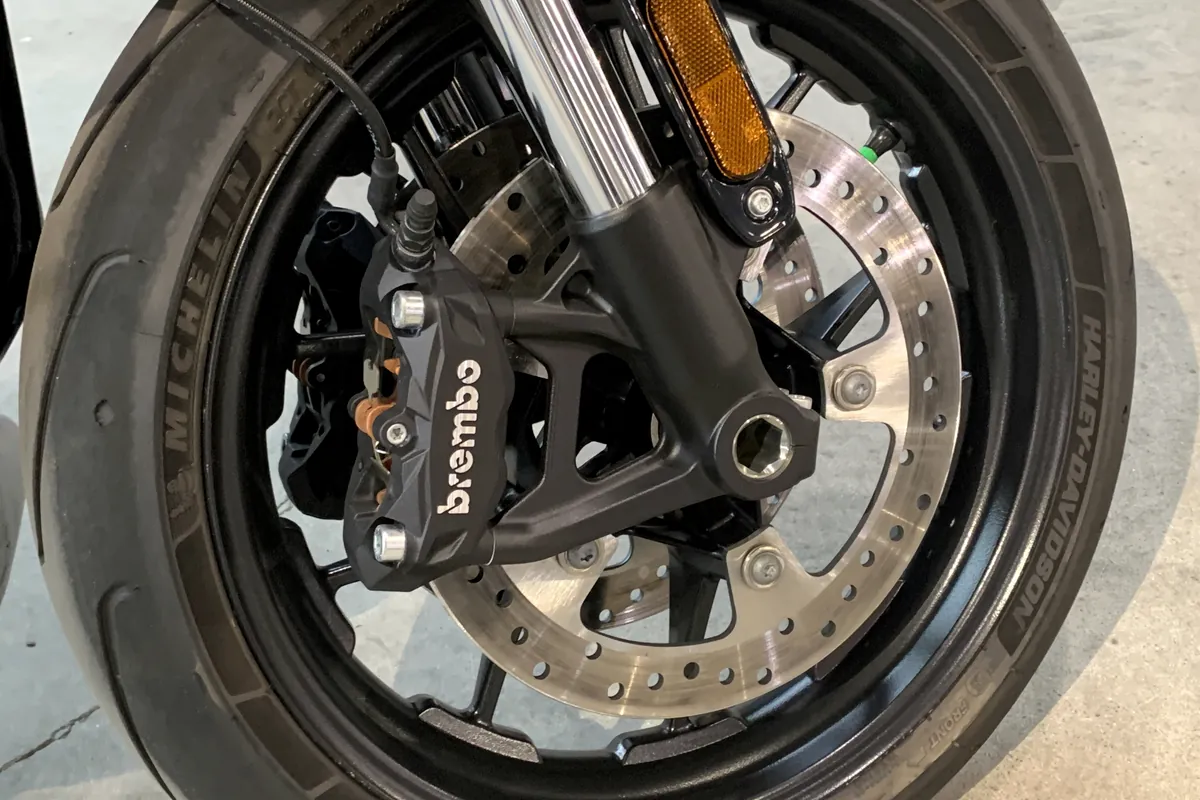
Brake fluid is hydraulic oil with a very specific job. It has to stay thin when cold, resist boiling when hot and not attack the seals. Glycol-based fluid absorbs moisture from the air, which lowers its boiling point. That is why the interval matters more than the colour.
What it does
Fluid transfers force. Because liquids barely compress, movement at the master cylinder produces almost the same movement at the caliper. The fluid also lubricates the seals and carries heat away from the caliper.
Glycol fluid is hygroscopic: it absorbs water from the air. Water in the fluid lowers the boiling point and corrodes the bores. A brake that works fine on a short ride can fade on a long descent when old fluid boils.
How it works
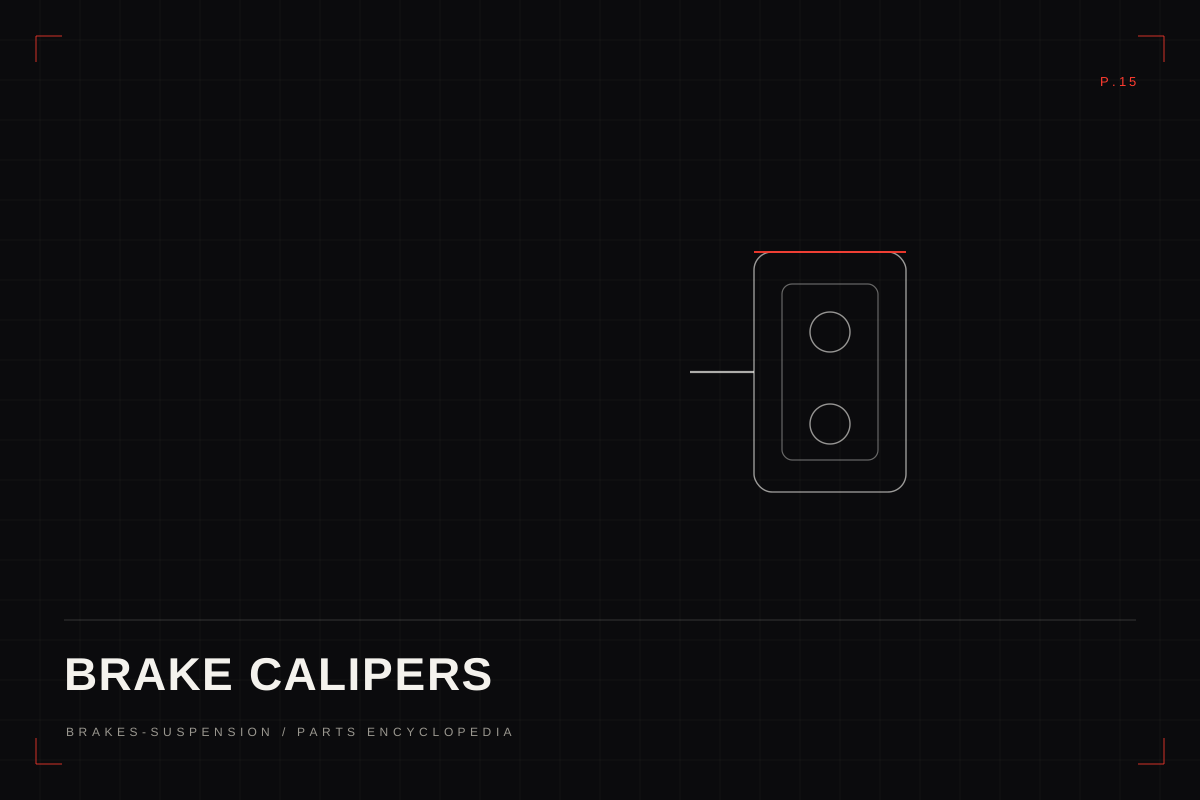
When the pads heat the caliper, some heat passes into the fluid. If the fluid boils, the vapour compresses, and the lever goes to the bar. When the brake cools, the vapour condenses and the brake may return, which makes the fault easy to dismiss.
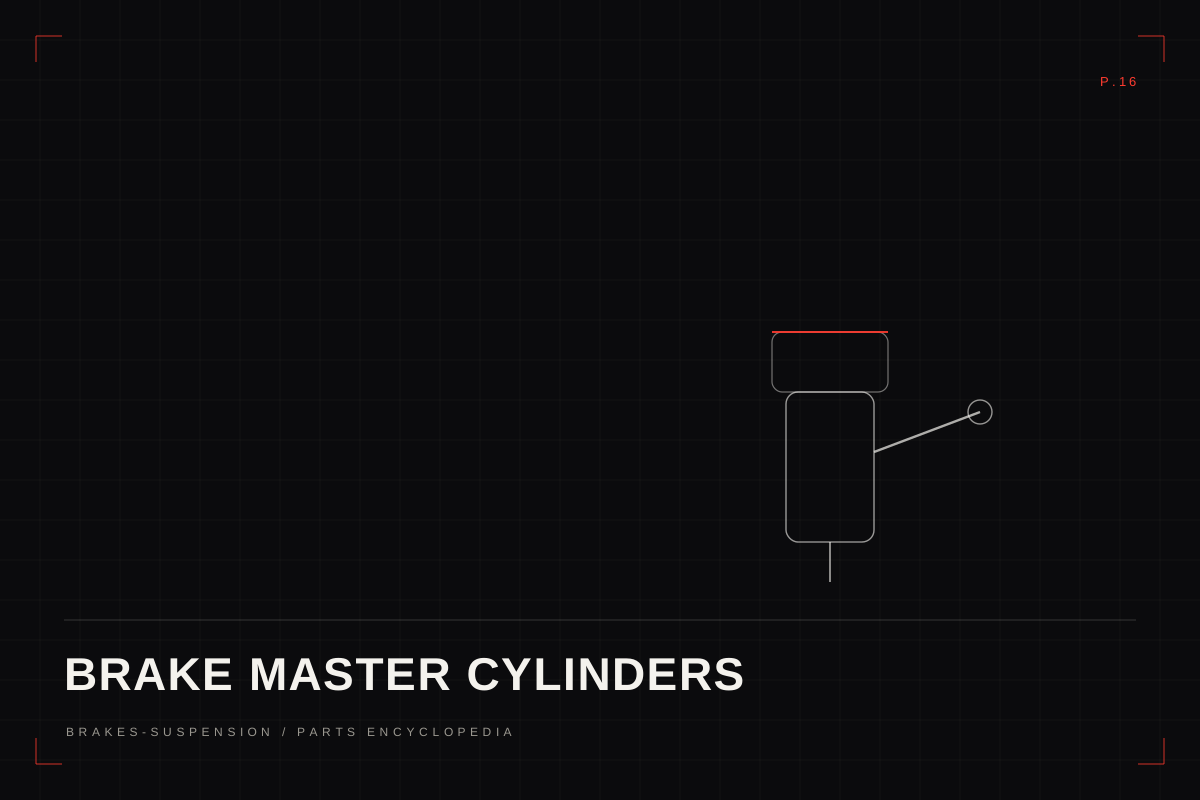
The fluid also moves in and out of the reservoir as temperature changes. An overfilled reservoir has nowhere to expand, which can apply the brake as the system heats.
Types and variations
- DOT 3. Glycol based. Lower dry and wet boiling points. Common in older vehicles.
- DOT 4. Glycol based with higher boiling points. The usual choice for modern motorcycle brakes.
- DOT 5.1. Glycol based, high performance. Compatible with DOT 3 and 4 in an emergency, but do not mix grades as a habit.
- DOT 5. Silicone based. Not compatible with glycol fluid. Used in some classic and military applications.
- Mineral oil. Used in some bicycle and a few motorcycle systems. Never mix with DOT fluid.
Wear and failure signs
- Dark or cloudy fluid, or sediment in the reservoir.
- A spongy lever that returns after the brake cools.
- Brake fade on a long descent with no pad wear.
- Corrosion or pitting on caliper pistons and in the master bore.
- A moisture test showing more than the maker's limit.
- Swollen seals from mixing incompatible fluids.
Choosing a replacement
- Use the grade specified on the reservoir cap or in the manual. Do not upgrade by guesswork.
- Buy sealed containers from a shop that turns stock. Fluid in an opened bottle absorbs water.
- For a complete flush, buy enough fluid for the job plus a margin. Do not reuse fluid that has been sitting.
- Do not use DOT 5 in a system designed for DOT 4. The seals will swell.
- For track use, choose a fluid with a higher wet boiling point and change it more often.
Fit and setup
- Clean the reservoir cap before opening it. Dirt and water on the cap end up in the fluid.
- Use a bleed bottle with a clear hose so you can see air bubbles and fluid condition.
- Keep the reservoir topped up during bleeding so air is not drawn in.
- Bleed in the order the manual gives, especially on linked or ABS systems.
- Dispose of used fluid at a recycling point. Do not pour it down a drain.
Inspection and care
- Change fluid at the interval in the manual, or sooner if it is dark.
- Check the level with the bike upright and the reservoir level.
- Do not top up with a different grade, even a small amount.
- After a long descent, let the brakes cool before inspecting the reservoir.
- Keep the reservoir cap seal clean and intact.
Safety and limits
Brake fluid damages paint and irritates skin and eyes. Wear gloves and eye protection.
Boiling fluid causes sudden brake loss. If the lever goes soft on a descent, stop and let the system cool.
Never mix DOT 5 silicone with glycol fluid. The resulting seal damage can cause a total brake failure.
Questions
Can I mix DOT 4 and DOT 5.1?
Both are glycol based and mix in an emergency, but use one grade as specified. Mixing changes the boiling point and can shorten seal life.
How can I tell if brake fluid has absorbed water?
A moisture tester gives a reading. Colour is only a rough guide; clear fluid can still contain water.
How often should brake fluid be changed?
Most makers specify every one or two years. In a humid climate, the shorter interval is safer.
Why did my brakes fade but come back?
The fluid boiled and then condensed as it cooled. That is a warning, not a temporary glitch. Change the fluid and check pad and disc condition.