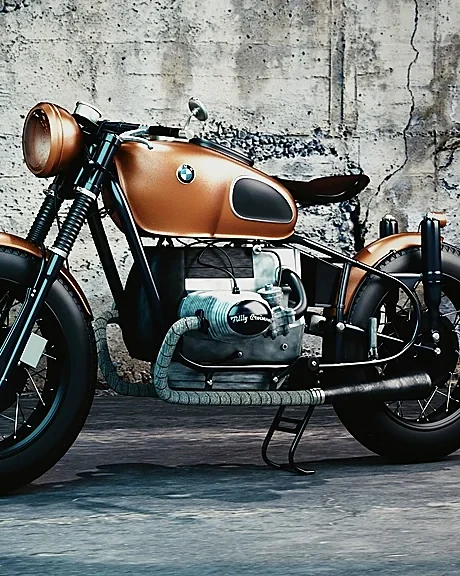
The final drive takes gearbox output and turns the rear wheel. Almost every motorcycle uses one of three systems: chain, belt or shaft. Each has a different service routine, a different failure mode and a different feel.
What it does
The final drive multiplies engine torque and sets the last ratio before the wheel. It also has to cope with suspension movement. A chain and belt do that through slack; a shaft uses a joint or a pivot.
The choice affects maintenance. A chain needs cleaning and adjustment. A belt needs tension and alignment checks. A shaft needs oil changes and seal inspections, but no routine adjustment.
How it carries power
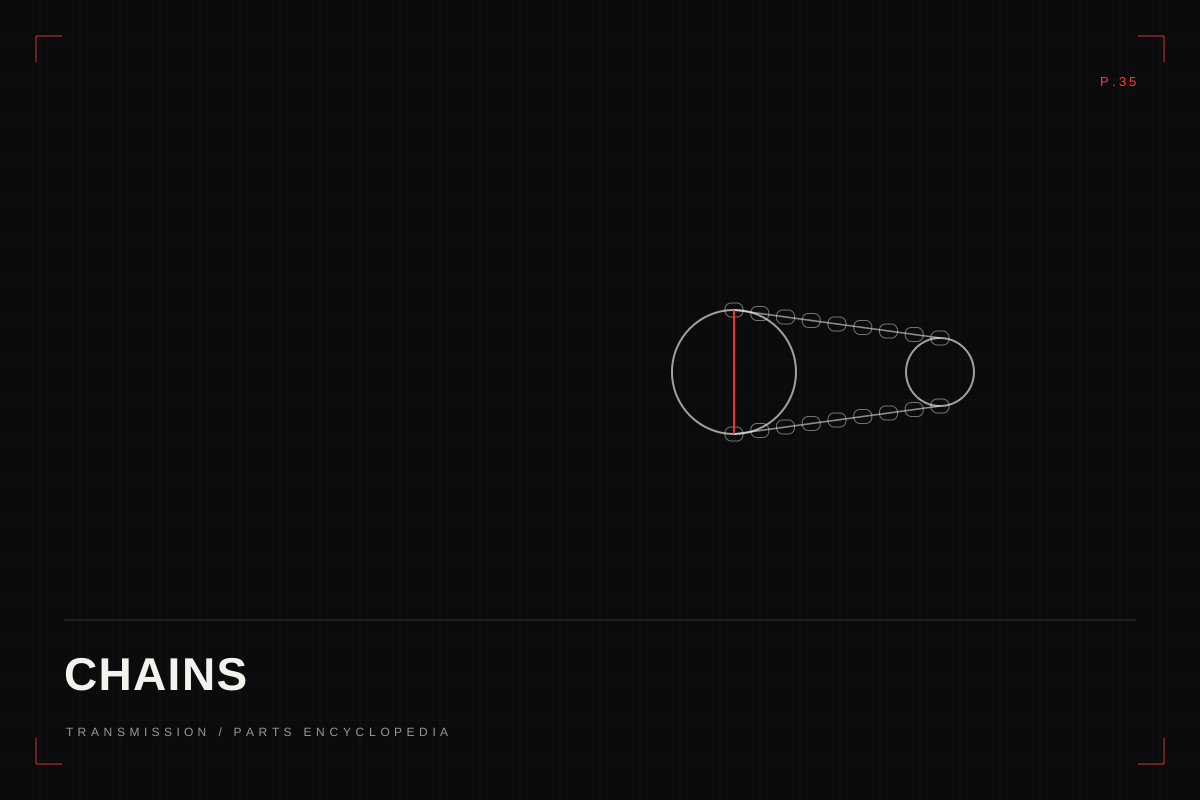
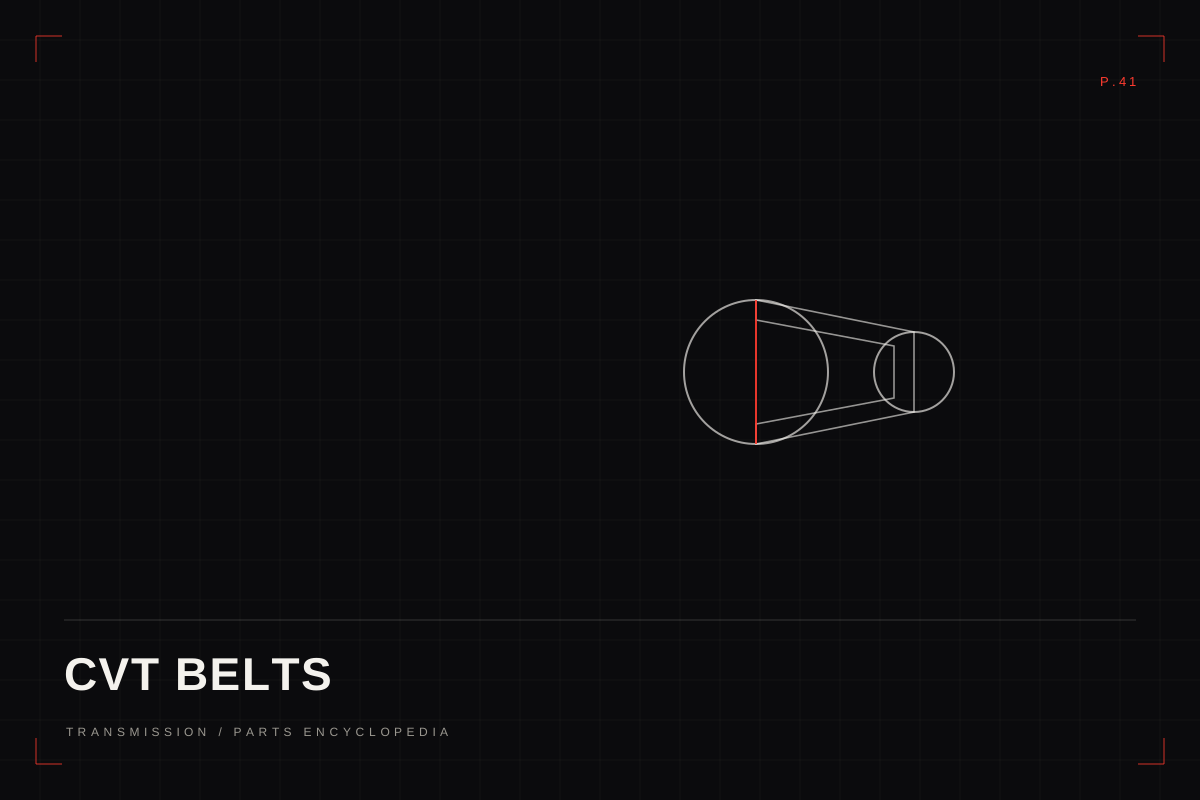
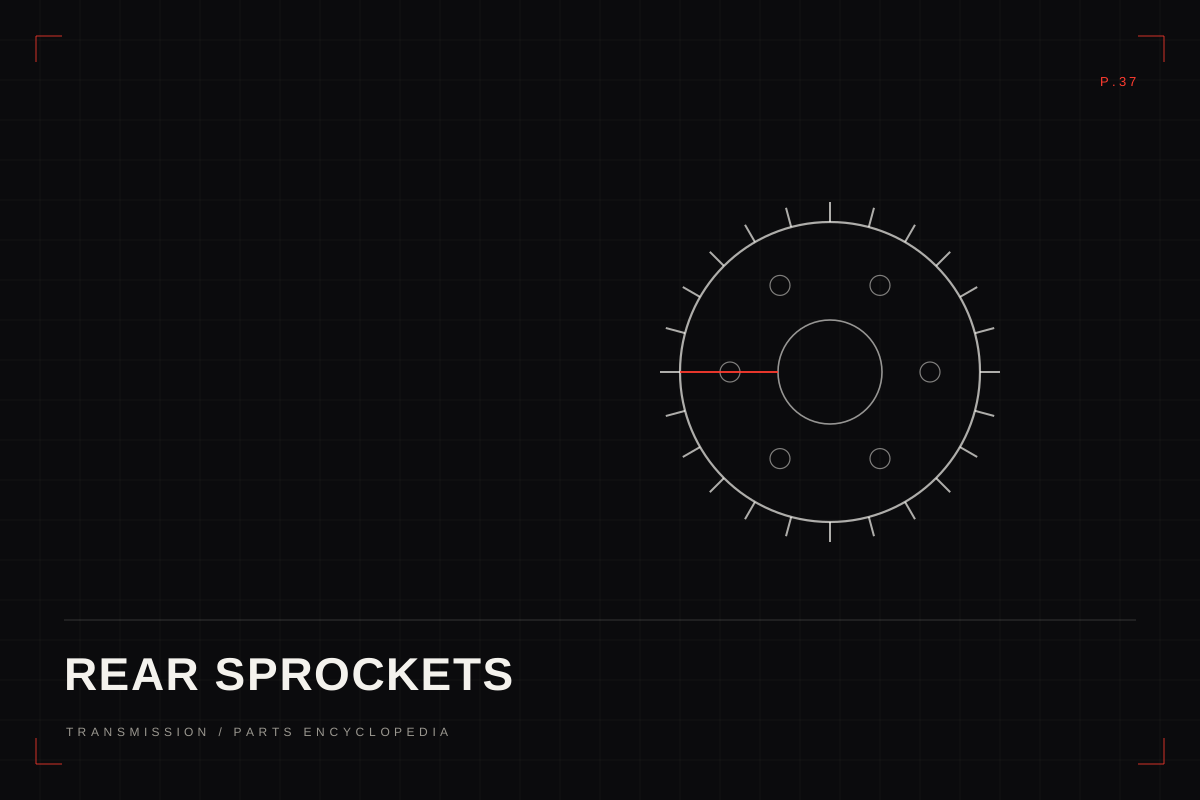
A chain runs over two sprockets and is the most efficient of the three. A belt uses toothed pulleys and runs quieter and cleaner. A shaft uses bevel gears at the gearbox and the wheel, with a universal joint or a swinging arm pivot to follow suspension travel.
Each system has a characteristic feel. A chain can snatch, a belt is smoother, and a shaft can add a slight rise or squat under power because of the gear reaction.
Types and variations
- Chain drive. Efficient, adjustable, cheap to change ratios. Needs regular care.
- Belt drive. Quiet and clean. Common on cruisers and scooters. Not ideal for off-road.
- Shaft drive. Low maintenance and sealed. Heavier and more expensive to repair.
- Enclosed chain. A chain in an oil bath. Common on older utility bikes.
- Hub drive. An electric hub motor with no conventional final drive. Different service.
Wear and failure signs
- Chain. slack, tight spots, seized links and hooked sprockets.
- Belt. low tension, glazing, missing teeth and misalignment.
- Shaft. oil leaks at the final drive, whine, or play in the bevel gears.
- Any system. vibration or noise that changes with speed.
- A rear wheel that will not spin freely, suggesting bearing or brake drag.
- Oil on the rear tire from a leaking drive seal.
Choosing a replacement
- Match the system to the bike. Converting between chain, belt and shaft is rarely practical.
- For a chain bike, choose sealed chain and steel sprockets for road mileage.
- For a belt bike, use the specified belt and check pulley alignment.
- For a shaft bike, use the specified final drive oil and check the seals.
- Do not change ratios without considering the speedometer, ECU and chain or belt length.
Fit and compatibility
- Follow the manual for slack or tension. A belt is usually tighter than a chain.
- Check alignment on chain and belt systems.
- For a shaft drive, check the oil level and the pivot bearings.
- Inspect the rear tire for oil contamination after any drive work.
- Torque axle and drive bolts to specification.
Inspection and care
- Chain. clean, lubricate and adjust at the interval.
- Belt. check tension and look for stones trapped in the pulley.
- Shaft. change the final drive oil and check for leaks.
- Check the rear wheel bearings at every tire change.
- Investigate a new noise before it becomes a failure.
Safety and limits
A failed final drive can lock the rear wheel. Fix leaks, worn chains and damaged belts.
Oil on the rear tire reduces grip. Clean it off and find the leak.
Keep hands clear of any final drive when the engine is running.
Questions
Which final drive needs the least maintenance?
A shaft drive, in routine terms. It still needs oil changes and seal checks, and repairs are expensive.
Can I convert a chain bike to belt drive?
Only with a kit designed for the bike, including pulleys, belt and alignment. It is not a universal swap.
Why does a shaft-drive bike squat under power?
The bevel gear reaction tries to lift or lower the rear. Some designs use a linkage to control it.
How often should final drive oil be changed?
Follow the manual, often at 10,000 to 20,000 km. Check the level and look for leaks between changes.