A tire is a flexible container of air with a tread pattern cut into it. The contact patch is roughly the size of a hand, and everything the rider does passes through it. A tire that is old, underinflated or worn out will make good suspension and good brakes feel bad.
What it does
The tire provides grip for acceleration, braking and cornering. It also acts as part of the suspension, absorbing small bumps that the forks and shock cannot react to quickly enough.
The sidewall carries the load and holds the bead on the rim. The tread pattern clears water and protects the carcass. A tire with the wrong load rating or speed rating may not cope with the bike's weight and performance.
How it is built
Rubber deforms into the road surface and generates grip through friction and mechanical keying. The tread grooves let water escape so the rubber can reach the road. At speed, water clearance becomes harder and the risk of aquaplaning rises.
Tire pressure changes the shape of the contact patch. Too low and the sidewall flexes, generating heat and making steering heavy. Too high and the contact patch shrinks, reducing grip and making the ride harsh.
Types and markings
- Sport and sport-touring. Grip-focused compounds with decent wet performance. The usual road choice.
- Touring. Harder compound and a longer life. Less grip when pushed hard.
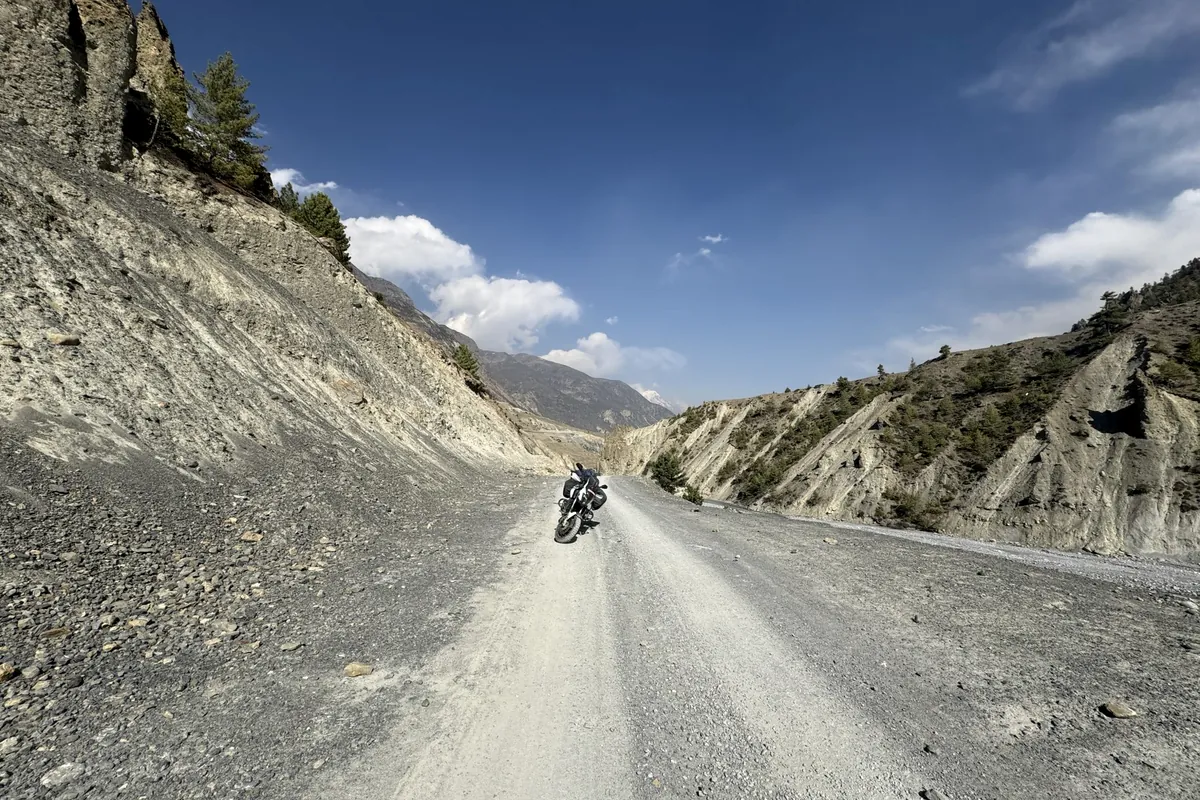
- Dual-sport. A block pattern for light off-road use with road manners.
- Off-road. Knobbly tread. Poor grip and noise on tarmac.
- Winter and wet-specific. Softer compound and deeper tread. Useful in cold, wet conditions.
Wear and failure signs
- Tread depth at or near the wear indicator.
- A squared-off profile from motorway use, which makes steering heavy.
- Cracks in the sidewall or between tread blocks.
- A bulge or separation in the carcass.
- Cupping or uneven wear, often from pressure or suspension faults.
- A tire older than about five years, even with tread left.
Choosing a replacement
- Match the size, load rating and speed rating to the bike and the rim.
- Choose a tire for the riding you actually do, not the riding you imagine.
- Replace tires as a pair where possible, especially on a road bike.
- Check the date code. A tire that has sat for years is not new.
- Do not fit a wider tire to a narrow rim. It distorts the profile and hurts handling.
Fit and compatibility
- Check the rim for damage and the valve for leaks before fitting.
- Lubricate the bead with tire mounting paste, not oil or grease.
- Seat the bead evenly and check the balance.
- Set the pressure cold, with the bike loaded as normal.
- Check the direction arrow and the balance dot alignment.
Inspection and care
- Check pressure weekly and before long rides.
- Inspect for cuts, embedded objects and sidewall cracks.
- Avoid kerbs and potholes where possible.
- Do not use tire shine on the tread.
- Replace tires before the tread is gone, not after.
Safety and limits
A blowout at speed can be fatal. Replace damaged or bulging tires immediately.
Low pressure causes heat and can destroy a tire. Check it cold.
New tires need a break-in period. Avoid hard acceleration and braking for the first 100 km.
Questions
How long do motorcycle tires last?
Anywhere from a few thousand to over 20,000 km depending on compound, bike, roads and rider. Check tread and condition rather than counting distance.
Do I need to replace both tires at once?
It is better on a road bike. Mixed wear and mismatched profiles can upset handling.
How old is too old for a tire?
Many makers recommend replacement at about five years regardless of tread. Check the date code on the sidewall.
Can I repair a punctured tire?
A plug is a temporary fix. A proper internal patch is better, and a sidewall or large puncture cannot be repaired safely.